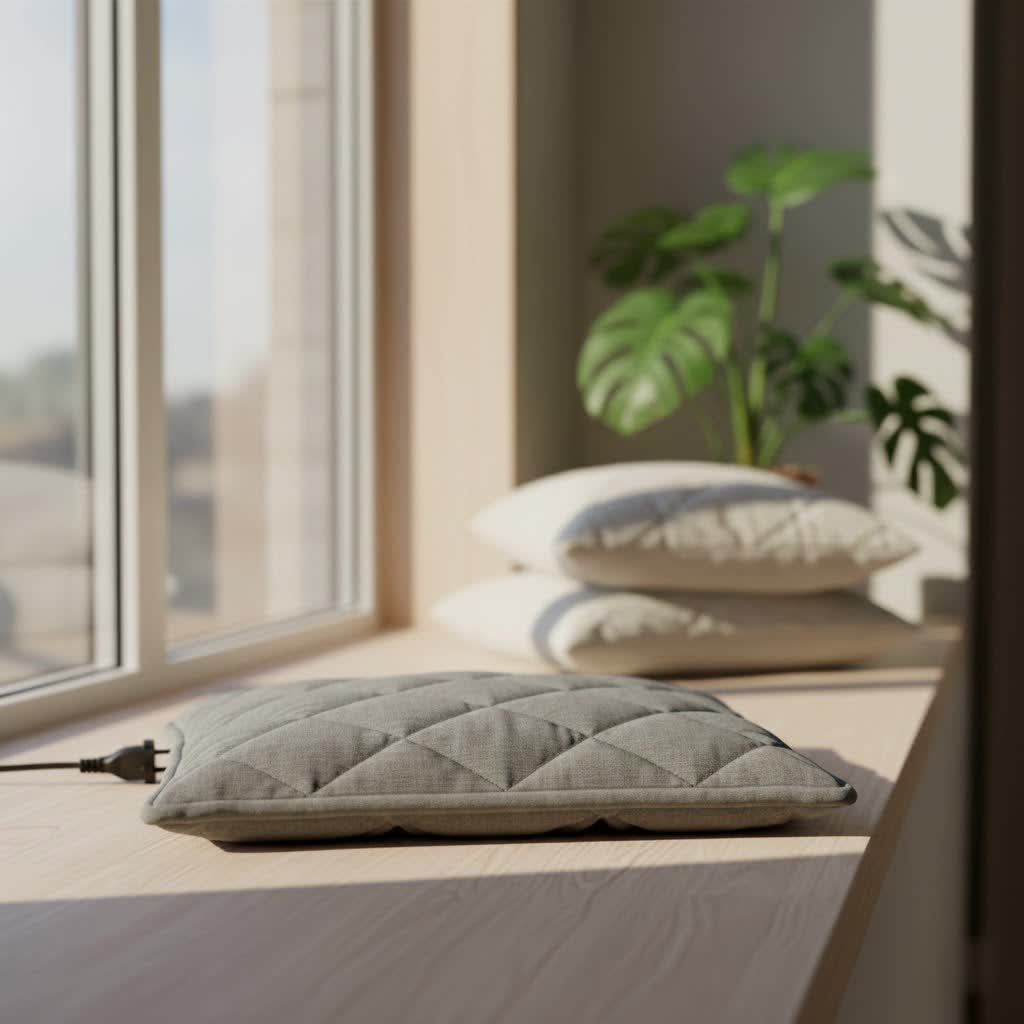
Pregnancy is a miraculous journey, yet it often comes with its own unique set of physical discomforts, from nagging backaches to muscle cramps. As you navigate these changes, finding safe and effective ways to alleviate pain becomes a top priority. Many expectant mothers wonder if their trusted heating pad can still be a source of comfort. The good news is, when used correctly, a heating pad can indeed offer much-needed relief during pregnancy without posing risks to you or your baby. This comprehensive guide will walk you through everything you need to know about safely incorporating a heating pad into your pregnancy comfort routine.
What is a Heating Pad and How Does It Work?
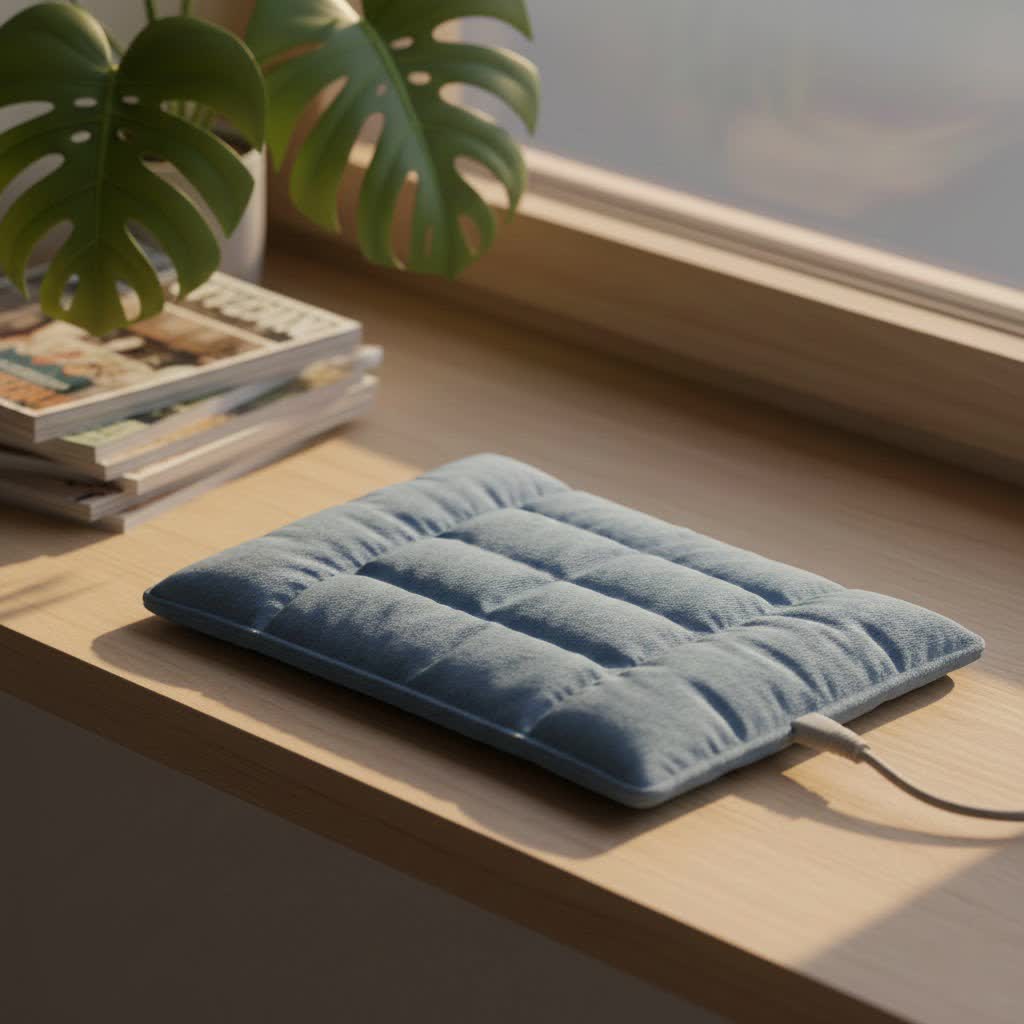
A heating pad is a simple yet effective device designed to deliver localized heat therapy to specific areas of the body. These devices come in various forms, including electric heating pads, microwaveable heat packs (often filled with grains like flax or rice), and classic hot water bottles. Regardless of the type, their fundamental mechanism is the same: applying warmth to the skin to promote therapeutic benefits.
When heat is applied, it encourages blood vessels to expand, increasing circulation to the affected area. This enhanced blood flow delivers fresh oxygen and nutrients while helping to flush away metabolic waste products that can contribute to pain and stiffness. The warmth also helps to relax tight muscles, ease spasms, and can even block pain signals from reaching the brain, offering a soothing sensation and temporary relief from discomfort.
Benefits of Using a Heating Pad During Pregnancy
The physical demands of pregnancy often lead to a range of aches and pains. A heating pad can be a valuable tool in managing these common discomforts:
- Relief from Muscle and Joint Pain: As your body shifts and grows to accommodate your baby, it’s common to experience pain in the lower back, hips, and joints. Heating pads can effectively target these areas, relaxing strained muscles and ligaments. They can also soothe round ligament pain and discomfort associated with the sciatic nerve.
- Improved Blood Circulation: The gentle warmth helps dilate blood vessels, enhancing blood flow to areas experiencing tension or soreness. This improved circulation can aid in recovery and reduce inflammation.
- Reduced Stiffness and Increased Flexibility: Heat therapy can make stiff muscles more pliable, increasing your range of motion and making daily activities more comfortable, especially as your body adjusts to new weight distribution.
- Relaxation and Stress Reduction: Beyond physical relief, the comforting warmth of a heating pad can have a calming effect, helping to reduce overall stress and promote a sense of well-being, which is beneficial during pregnancy.
Types of Heating Pads Available and Their Suitability for Pregnancy
Several types of heating pads are available, each with its own advantages for expectant mothers:
- Electric Heating Pads: These are popular for their consistent heat delivery and often come with multiple temperature settings and automatic shut-off features. The auto-shutoff is particularly useful for pregnancy, offering peace of mind against overheating. Their main drawback is being tethered to an outlet.
- Microwaveable Heat Packs (e.g., rice or flaxseed bags): These offer cordless convenience and can be molded to fit various body parts. They heat up quickly in a microwave but gradually lose heat, requiring re-heating. They lack the precise temperature control of electric pads but can be a good option for localized, temporary warmth.
- Hot Water Bottles: A traditional choice, hot water bottles are simple to use and require no electricity. They provide moist heat, which some find particularly soothing. However, they can cool down quickly and carry a risk of leaking or scalding if not sealed properly.
- Infrared Heating Pads: These pads use far-infrared technology to penetrate deeper into tissues with lower surface temperatures. While often more expensive, they can provide sustained therapeutic heat.
When choosing a heating pad during pregnancy, prioritize models with clear temperature controls and safety features like automatic shut-off, ensuring you can manage the heat level and duration effectively.
Essential Safety Guidelines for Using a Heating Pad While Pregnant
While generally safe, proper use of a heating pad is crucial during pregnancy to avoid potential risks. The primary concern is preventing a significant rise in your core body temperature, especially during the first trimester, which has been linked to an increased risk of birth defects. Unlike hot tubs or saunas that elevate overall body temperature, heating pads apply localized heat.
Follow these guidelines for safe and effective use:
- Keep the Heat Setting Low to Medium: Always use the lowest effective setting. Avoid high heat, as it can be uncomfortable and potentially increase localized tissue temperature too much.
- Limit Session Duration: Keep each heating pad session to 10-20 minutes. Short, intermittent applications are safer than prolonged exposure.
- Avoid Direct Abdominal Placement: For optimal safety, refrain from placing the heating pad directly on your abdomen or belly. Focus on areas like your back, hips, shoulders, and legs, where discomfort is common and the heat is further from your uterus.
- Use a Barrier: Always place a cloth, towel, or your clothing between the heating pad and your skin. This prevents burns and helps to diffuse the heat, ensuring it’s not too intense.
- Never Sleep with a Heating Pad: Falling asleep with a heating pad can lead to prolonged exposure to heat, increasing the risk of burns or overheating without your awareness. Use models with an automatic shut-off feature for added safety.
- Monitor Your Body: Pay close attention to how you feel. If you start to feel too warm, dizzy, or begin sweating excessively, remove the heating pad immediately and allow your body to cool down.
- Consult Your Healthcare Provider: If you have any underlying health conditions, concerns about using a heating pad, or experience persistent pain that doesn’t improve with heat therapy, always consult your doctor or midwife.
“When it comes to using heating pads during pregnancy, the key is moderation and localization. You want to soothe discomfort without raising your core body temperature, which is why smart usage is so important.” – Dr. Sarah Miller, Obstetrician-Gynecologist
What to Consider When Choosing a Heating Pad for Pregnancy
Selecting the right heating pad can enhance your comfort during pregnancy. Focus on features that prioritize safety, ease of use, and effectiveness for your specific needs:
- Size and Shape: Consider where you experience the most pain. Larger pads or those with flexible designs are excellent for the back and hips, while smaller, contoured pads might be better for the neck or specific joints. Wrap-around designs can provide hands-free relief.
- Heat Settings and Auto-Shutoff: Look for multiple heat settings to allow precise control over the temperature. An automatic shut-off feature is a non-negotiable safety component, ensuring the pad turns off after a set time, preventing prolonged heat exposure.
- Material and Cover: Opt for soft, comfortable, and breathable materials that feel pleasant against the skin. Removable and washable covers are a practical feature for hygiene.
- Portability: If you need relief on the go, a cordless microwaveable pad or a small, portable electric pad might be suitable. For home use, a standard corded electric heating pad is usually sufficient.
- Moist Heat Option: Some electric heating pads offer a moist heat option, which can be achieved by dampening the cover. Many find moist heat more penetrating and soothing for muscle aches.
Alternatives to Heating Pads for Pregnancy Discomfort
While heating pads offer excellent relief, several other safe methods can help manage pregnancy aches and pains:
- Warm Baths or Showers: Soaking in a warm (not hot!) bath or standing under a warm shower can provide overall muscle relaxation and comfort without the risk of localized overheating.
- Prenatal Yoga and Gentle Stretching: Modified yoga poses and gentle stretches can improve flexibility, strengthen supporting muscles, and alleviate tension in the back and hips. Always consult with a healthcare professional before starting any new exercise regimen.
- Massage Therapy: A prenatal massage from a certified therapist can work wonders for muscle knots and tension. Even gentle self-massage or a partner massage can provide relief.
- Support Garments: Belly bands or maternity support belts can help distribute the weight of your growing belly, reducing strain on your back and pelvis.
- Pillows for Support: When sleeping, use pillows strategically between your knees and under your belly to maintain proper spinal alignment and relieve pressure points.
- Over-the-Counter Pain Relievers: Acetaminophen (Tylenol) is generally considered safe for occasional use during pregnancy, but always consult your doctor before taking any medication. Avoid NSAIDs like ibuprofen unless specifically advised by your doctor.
Conclusion
Navigating the aches and pains of pregnancy requires a blend of caution and self-care. A heating pad, when used safely and judiciously, can be a wonderful ally in providing comfort and alleviating common discomforts. By adhering to guidelines such as using low heat, limiting application time, and avoiding direct abdominal placement, expectant mothers can confidently enjoy the soothing benefits of heat therapy. Remember, your health and your baby’s well-being are paramount, so always prioritize open communication with your healthcare provider regarding any concerns or persistent pain. Embrace these tools and strategies to make your pregnancy journey as comfortable and serene as possible.
What are your go-to comfort strategies during pregnancy, and how have you found ways to soothe those inevitable aches?
Câu Hỏi Thường Gặp
Can I use a heating pad on my stomach during pregnancy?
|
Our Picks for the Best Heating Pad in 2026
We may earn a commission when you use one of our links to make a purchase.
|
||
| Num | Product | Action |
|---|---|---|
| 1 | Sunbeam XL Heating Pad for Back Neck and Shoulder Pain Relief with Sponge for Moist Heating Option Extra Large 12 x 24" Blue |

|
| 2 | VAAGHANM Heating Pad: 33 x 17 inches Electric Heating Pad for Back -Extra Large Heat Pad for Shoulder/Neck/Knee/Arms - Upgraded 6 Timer & 6 Temperature Controller -Auto Shut Off |
|
| 3 | GENIANI Electric Heating Pad for Back Pain & Cramps Relief, Electric Throw, Auto Shut Off, Machine Washable, Moist Heat Pad for Neck & Shoulder - Valentines Day Gifts for Her (12×24", Tabby Gray) |
|
| 4 | Heating Pad for Back Pain Cramps Relief - Electric Heating Pad for Neck/Shoulder/Muscle Pain - 6 Heat Settings, Auto Off, Moist Heat Options, Machine Washable, Christmas Gifts for Women Mom Wife - XL |
|
| 5 | Electric Heating pad for Back Neck Shoulder Knee Arms Legs- Electric Heat Pads with 6 Heat Settings & Auto Shut Off &Dry/Moist Heat Heating Pad for Birthday Mother Father Girl Men Women |
|
| 6 | GENIANI Electric Heating Pad for Back Pain & Cramps Relief, Electric Throw, Auto Shut Off, Machine Washable, Moist Heat Pad for Neck & Shoulder - Valentines Day Gifts for Her Him, Extra Large 24x12 |
|
| 7 | Heating Pad for Period Cramps, Heating Pad for Back/Neck/Shoulder Muscle Pain, 6 Heating&4 Timer Setting, Auto Shut Off, Dry/Moist Heat & Machine Washable, Gray Birthday Christmas Gifts for Women Mom |
|
| 8 | Heating Pad for Back, Neck, and Shoulder Pain Relief, Electric Heat Pad with 6 Heat Levels, Moist Heat Option, Auto Shut-Off, Birthday Christmas Gifts for Women Men Mom Dad Grandma, Gifts for her |
|
| 9 | Heating Pad for Back, Neck, Shoulder Pain Relief - 12"x24" Heat Pads, Auto-Off, Machine Washable, Moist/Dry Heat Options - Valentine's Day & Christmas Gifts for Her, Him, Mom Dad, Women, Men |
|
| 10 | Cordless Heating Pad for Back, Back Heating Pad Rechargeable Heated Waist Belt Wrap with Built-in Warming Layer 5 Heat Options & 3 Auto Timer |
|
It is generally advised to avoid placing a heating pad directly on your abdomen during pregnancy for optimal safety, especially in the first trimester. Focus on areas like your back, hips, and shoulders for relief.
How long can I use a heating pad while pregnant?
Limit each heating pad session to 10-20 minutes. Shorter, intermittent applications are safer and more effective than prolonged exposure, which could potentially raise localized tissue temperature too much.
What temperature setting is safe for a heating pad during pregnancy?
Always use a low to medium heat setting. The goal is gentle warmth, not intense heat, which could be uncomfortable and potentially risky for you and your baby.
Are heating pads safe in the first trimester?
Yes, heating pads are generally considered safe in the first trimester when used with extra caution. Ensure localized heat application, keep the setting low, and avoid placing it on your abdomen, as the fetus is most vulnerable during this period.
Can a heating pad cause miscarriage or birth defects?
When used correctly and with caution, a heating pad is unlikely to cause miscarriage or birth defects because it provides localized heat and typically does not raise your core body temperature. The risk of birth defects is primarily associated with significant, sustained increases in core body temperature, such as from hot tubs or fevers.