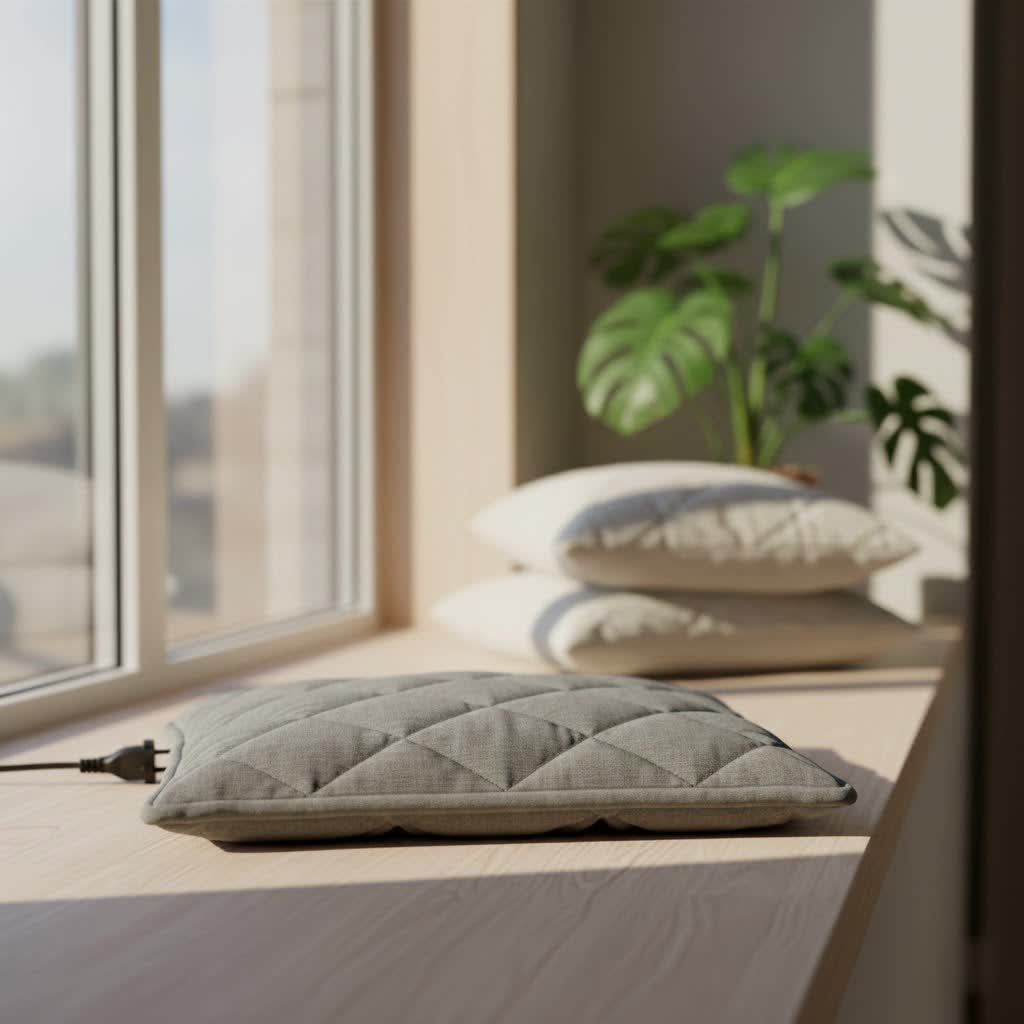
A sudden, agonizing leg cramp can strike without warning, turning a peaceful night into a restless ordeal or halting your day in its tracks. These involuntary muscle contractions, often in the calf or thigh, are incredibly common and can range from a minor annoyance to a debilitating pain. When that sharp, seizing sensation takes hold, immediate relief is often all you crave. This is where heating pads step in as a simple yet profoundly effective solution. With their ability to deliver targeted, soothing warmth, heating pads can quickly become your go-to ally against the discomfort of leg cramps.
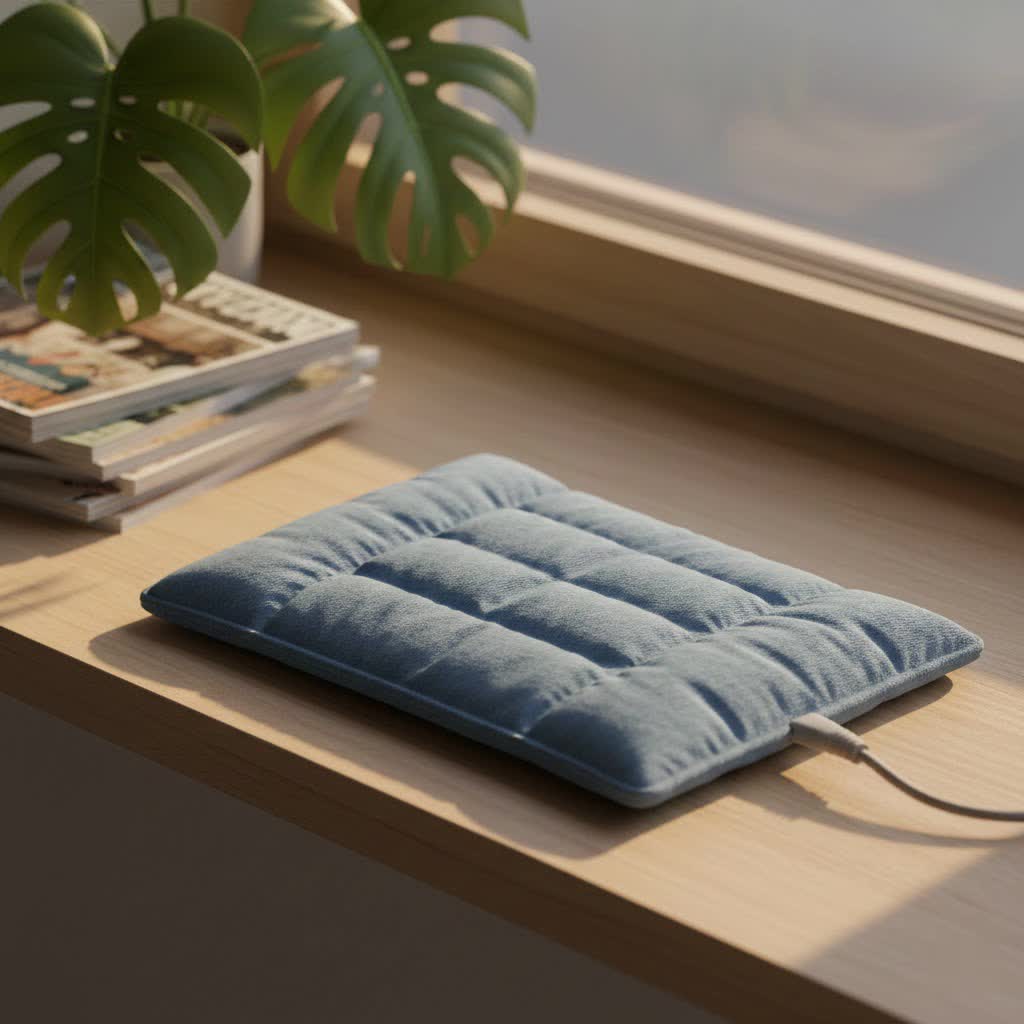
This comprehensive guide will delve into how heating pads work their magic, explore the myriad benefits they offer for leg cramp relief, examine the various types available, compare top brands, and provide an essential buying guide. We’ll also cover best practices for safe and effective use, ensuring you can confidently choose the perfect heating pad to bring comfort and calm back to your legs.
Understanding Heating Pads: How They Work to Relieve Leg Cramps
A heating pad is a therapeutic device designed to apply localized warmth to specific areas of the body, offering a non-invasive way to manage pain and promote healing. When applied to a cramped leg muscle, the heat initiates a series of beneficial physiological responses that collectively work to alleviate discomfort.
The primary mechanism involves vasodilation, where the blood vessels in the heated area expand. This expansion leads to a significant increase in blood flow to the affected muscle. Enhanced circulation is crucial for several reasons: it delivers a fresh supply of oxygen and vital nutrients necessary for muscle repair and function, and it efficiently helps to flush away metabolic waste products, such as lactic acid, which can accumulate in overworked or cramped muscles and contribute to pain.
Furthermore, the warmth from a heating pad helps to relax tight muscles and reduce muscle spasms. Just as warmth makes clay more pliable, heat can make muscle fibers and surrounding soft tissues more flexible and less stiff, helping them to “un-clench” and ease the tension that causes cramping. Heat also has a localized analgesic effect; by stimulating thermoreceptors in the skin, it can help override or decrease pain signals transmitted to the brain, providing a comforting sensation that distracts from the cramp itself.
The Soothing Benefits of Heating Pads for Leg Cramps
Beyond the immediate comfort, incorporating a heating pad into your cramp management routine offers several significant advantages:
- Direct Pain Relief: The warmth directly addresses the source of the cramp by relaxing the constricted muscle fibers, thereby reducing the sharp, seizing pain.
- Improved Blood Circulation: By dilating blood vessels, heating pads ensure that oxygen-rich blood, along with essential nutrients, reaches the affected leg muscles more efficiently. This also aids in removing pain-contributing metabolic byproducts.
- Deep Muscle Relaxation: The penetrating heat helps to release deep-seated tension and tightness in the muscles, alleviating spasms and promoting a state of calm in the affected area.
- Accelerated Muscle Recovery: Increased blood flow not only helps during the cramp but also supports faster recovery by supplying necessary healing elements to damaged tissues and assisting in waste removal.
- Increased Flexibility and Range of Motion: Regular heat application can enhance the elasticity of soft tissues around the joints and muscles, which can be particularly beneficial for chronic stiffness or post-exertion soreness, contributing to better overall leg comfort.
Exploring the Different Types of Heating Pads
The market offers a diverse range of heating pads, each with unique characteristics and best uses. Understanding these types will help you select the most suitable option for your leg cramp relief.
- Electric Heating Pads: These are the most common type, powered by electricity and featuring internal coils that generate heat.
- Pros: Provide consistent, continuous heat as long as they are plugged in. Many come with adjustable temperature settings, auto-shutoff features for safety, and can offer either dry or moist heat (some designs allow for a damp sponge insert or have moist-heat capabilities). Many modern electric pads are designed as wraps or covers that can be securely fastened around a limb, making them ideal for targeted leg relief.
- Cons: Require an electrical outlet, limiting portability.
- Microwaveable Heating Pads: These pads are typically filled with natural materials like grains (e.g., rice, flaxseed) or gel beads.
- Pros: Offer cordless convenience and can be quickly heated in a microwave. They often provide moist heat naturally from the warmed contents. Great for quick, on-the-go relief.
- Cons: Heat duration is limited and decreases over time; requires re-heating.
- Chemical Heating Pads (Disposable/Reusable):
- Disposable: These typically use an exothermic chemical reaction (like iron powder and salt reacting with air) to produce heat for a few hours. Often seen as single-use heat patches.
- Reusable: Contain a supersaturated solution (like sodium acetate) that releases heat when a small metal disc is “snapped” or activated. They can be reset by boiling them in water.
- Pros: Highly portable and convenient for immediate, temporary relief without electricity.
- Cons: Disposable types are single-use; reusable types require a boiling process to reset and heat duration is often shorter than electric pads.
- Infrared Heating Pads: These advanced pads use Far Infrared (FIR) technology to emit heat that penetrates deeper into muscle tissue compared to traditional surface heating.
- Pros: Deeper heat penetration can provide more profound relief for chronic muscle issues and improve circulation more effectively at a cellular level.
- Cons: Generally more expensive and may take slightly longer to reach full therapeutic temperature.
| Type | Key Advantage | Best For | Considerations |
|---|---|---|---|
| Electric Heating Pad | Consistent, adjustable, long-lasting heat | Home use, sustained relief | Requires outlet, choose wraps for limbs |
| Microwaveable Pad | Cordless, portable, moist heat | Quick, localized relief, travel | Limited heat duration, requires microwave |
| Chemical Heat Patch | Ultra-portable, instant heat | On-the-go relief, temporary discomfort | Single-use (disposable), shorter heat duration |
| Infrared Heating Pad | Deep tissue penetration | Chronic pain, deep muscle issues | Higher cost, deeper heat may feel different |
Top Heating Pad Brands for Leg Cramp Relief
When selecting a heating pad, brand reputation often correlates with quality, safety, and durability. Several brands consistently receive high marks for their performance, especially concerning muscle pain and cramps. Look for those that offer features beneficial for leg cramps, such as flexible designs, secure straps, and appropriate sizing.
- Comfytemp: Known for their versatile, wearable heating pads that are specifically designed to wrap around limbs like legs and arms. They often feature multiple heat settings, auto-off functions, and soft, machine-washable materials, making them excellent for targeted leg cramp relief.
- Sunbeam: A long-standing leader in heating pad technology, Sunbeam offers a wide range of pads in various sizes and materials. Their premium models are reliable, often come with integrated controls, and are well-regarded for their durability and consistent heat.
- Pure Enrichment PureRelief: These pads are celebrated for their ultra-soft micro-plush fabrics and a good balance of features, including multiple heat settings, rapid heating, and automatic shut-off for safety. They offer various sizes, including larger pads that can cover wider areas of the leg.
- Renpho / Comfier: These brands often incorporate additional features beyond basic heat, such as built-in massage nodes or customizable settings. While not all models are specifically for legs, their larger pads or wraps can provide comprehensive relief, combining heat with gentle massage to further relax tense muscles.
- ThermaCare: For ultimate portability and discreet relief, ThermaCare offers single-use heat wraps and patches that adhere to the skin. While not a traditional “pad,” these can be excellent for on-the-go relief from leg cramps when an electric pad isn’t feasible.
These brands consistently deliver products that prioritize user comfort, effective heat delivery, and important safety features, making them reliable choices for addressing leg cramps.
Detailed Comparison: Best Heating Pads for Leg Cramps
Choosing the “best” Heating Pad For Leg Cramps depends heavily on your specific needs, the area affected, and your preference for features. Here’s a comparative look at popular options:
| Product Type/Model (Example) | Brand | Type | Key Features | Ideal for | Approx. Price Range |
|---|---|---|---|---|---|
| Wearable Leg Heating Pad | Comfytemp | Electric Wrap | Targeted fit, adjustable straps, 3 heat settings, 2H auto-off, machine washable | Calf, thigh, knee cramps, active users | $30 – $50 |
| PureRelief Deluxe Heating Pad | Pure Enrichment | Electric Pad | 12″x24″ size, ultra-soft, 6 heat settings, 2H auto-off, moist heat capability | General leg cramps, broader coverage | $30 – $45 |
| King Size Heating Pad | Sunbeam | Electric Pad | Large coverage (e.g., 12″x24″), multiple heat settings, auto-off, machine washable | Larger areas like hamstrings or multiple calf spots | $25 – $40 |
| Heated Shoulder & Neck Wrap | Renpho (Large models) | Electric Wrap | Can be adapted for large thighs, often with massage, multiple heat levels | Full thigh cramps, combined heat/massage | $40 – $70 |
| Heat Patches | ThermaCare / Rael | Chemical Patch | Adhesive, discreet, long-lasting warmth (up to 8h), air-activated | On-the-go, localized acute cramps | $8 – $15 (multi-pack) |
This table provides a snapshot, but always check the latest product specifications and user reviews for the most current information and best fit for your needs.
Your Comprehensive Buying Guide to Heating Pads for Leg Cramps
Selecting the right heating pad can make a significant difference in how effectively you manage leg cramps. Consider these factors when making your choice:
-
Identify Your Needs:
- Cramp Location: Are your cramps usually in your calves, thighs, or hamstrings? This will influence the size and shape you need. A dedicated leg wrap is excellent for targeted relief on limbs, while a larger rectangular pad might be better for broader areas.
- Frequency and Severity: For occasional, mild cramps, a simple microwaveable pad might suffice. For chronic, severe cramps, an electric pad with consistent heat and advanced features might be more suitable.
- Mobility: Do you need to be able to move around while using it, or will you be resting? Wearable wraps offer more freedom.
-
Choose the Right Type:
- Electric: Best for sustained, consistent heat at home. Look for models with flexible fabric that can conform to the leg.
- Microwaveable: Ideal for quick, cordless relief and moist heat. Convenient for short sessions or travel.
- Chemical/Patches: Perfect for discreet, portable relief when an outlet isn’t available, like during travel or at work.
- Infrared (FIR): If you’re looking for deeper penetration for chronic issues, consider FIR pads, though they come at a higher price point.
-
Prioritize Safety Features:
- Automatic Shut-off: This is crucial to prevent overheating and burns, especially if you might doze off. Most quality electric pads have a 2-hour auto-off feature.
- Temperature Control: Look for multiple heat settings (low, medium, high) to customize the intensity and prevent burns.
- Overheat Protection: An internal mechanism that cuts power if the pad gets too hot.
-
Consider Size and Shape:
- Wraps/Straps: For calves, knees, or thighs, a heating pad with adjustable straps or a wrap-around design ensures the pad stays securely in place, providing consistent contact and targeted heat.
- Standard/Large Pads: For larger muscle groups or if you want to cover more than one area, a larger rectangular pad (e.g., 12″x24″ or larger) can be versatile.
-
Evaluate Material and Comfort:
- Soft Fabric: Look for soft, plush, skin-friendly materials like flannel or micro-plush for maximum comfort during use.
- Machine Washable: A removable, machine-washable cover or entire pad makes maintenance easy and hygienic.
-
Moist vs. Dry Heat:
- Moist Heat: Many users find moist heat more soothing and effective for muscle penetration. Some electric pads offer a moist heat option by lightly dampening a sponge insert or the pad itself. Microwaveable pads naturally provide moist heat.
- Dry Heat: Still effective for pain relief and relaxation, but may feel less penetrating to some individuals.
-
Budget: Heating pads range widely in price. Determine your budget, but prioritize safety and essential features over cost alone for a reliable product.
Safe and Effective Use & Maintenance of Your Heating Pad
To maximize the benefits of your heating pad and ensure your safety, proper usage and maintenance are paramount.
- Always Read the Instructions: Every heating pad is different. Before first use, thoroughly read the manufacturer’s instructions for specific guidance on operation, safety warnings, and care.
- Start with Low Heat: Begin with the lowest heat setting and gradually increase it as needed. Your skin’s sensitivity can vary, and what feels comfortable to one person might be too hot for another. Avoid excessively hot temperatures to prevent burns.
- Limit Application Duration: For most muscle pain, heat therapy is typically recommended for 15-20 minutes per session. While some specialized pads or settings might allow for longer, avoid prolonged use, especially on high heat. Never use a heating pad for more than 2 hours at a time unless specifically instructed by a healthcare professional.
- Do Not Sleep with a Heating Pad On: Even with auto-shutoff features, it is generally unsafe to fall asleep with an electric heating pad still activated. Your body’s ability to sense temperature changes decreases during sleep, increasing the risk of burns.
- Use a Barrier: Always place a thin cloth or towel between the heating pad and your bare skin, particularly if you have sensitive skin or are using a higher heat setting. This helps distribute the heat more evenly and reduces the risk of burns.
- Avoid Folding or Crushing: Do not fold, bunch up, or sit directly on an electric heating pad during use. This can concentrate heat, potentially damaging the internal wires and creating hot spots that could cause burns or even fire.
- Inspect for Damage: Before each use, quickly check the heating pad and its cord for any signs of wear, fraying, or damage. Discontinue use immediately if you notice any issues.
- Cleaning and Storage: If your heating pad or its cover is machine-washable, follow the manufacturer’s instructions carefully. Ensure the pad is completely dry before storing or reusing. Store it flat or loosely rolled in a dry, safe place away from moisture.
- When to Consult a Professional: While heating pads are generally safe, consult your doctor if you have underlying medical conditions (like diabetes, poor circulation, nerve damage, or open wounds), if your cramps are severe, persistent, or accompanied by other symptoms, or if you are pregnant.
Conclusion
Leg cramps can be incredibly disruptive, but thankfully, relief is often within reach with the simple application of a heating pad. By understanding how heat therapy works to relax muscles, boost circulation, and alleviate pain, you’re empowered to take control of your comfort. Whether you choose a versatile electric wrap, a convenient microwaveable option, or a portable chemical patch, the right heating pad can be a game-changer in your daily routine. Prioritizing safety features, selecting a type that matches your needs, and following proper usage guidelines will ensure you get the most out of this effective tool. What difference will a moment of soothing warmth make in your daily comfort?
Câu Hỏi Thường Gặp
Are heating pads safe for daily use on leg cramps?
|
Our Picks for the Best Heating Pad in 2026
We may earn a commission when you use one of our links to make a purchase.
|
||
| Num | Product | Action |
|---|---|---|
| 1 | Sunbeam XL Heating Pad for Back Neck and Shoulder Pain Relief with Sponge for Moist Heating Option Extra Large 12 x 24" Blue |

|
| 2 | Electric Heating pad for Back Neck Shoulder Knee Arms Legs- Electric Heat Pads with 6 Heat Settings & Auto Shut Off &Dry/Moist Heat Heating Pad for Birthday Mother Father Girl Men Women |
|
| 3 | Cordless Heating Pad for Back, Back Heating Pad Rechargeable Heated Waist Belt Wrap with Built-in Warming Layer 5 Heat Options & 3 Auto Timer |
|
| 4 | Heating Pad for Back Pain Cramps Relief - Electric Heating Pad for Neck/Shoulder/Muscle Pain - 6 Heat Settings, Auto Off, Moist Heat Options, Machine Washable, Christmas Gifts for Women Mom Wife - XL |
|
| 5 | GENIANI Electric Heating Pad for Back Pain & Cramps Relief, Electric Throw, Auto Shut Off, Machine Washable, Moist Heat Pad for Neck & Shoulder - Valentines Day Gifts for Her Him, Extra Large 24x12 |
|
| 6 | GENIANI Electric Heating Pad for Back Pain & Cramps Relief, Electric Throw, Auto Shut Off, Machine Washable, Moist Heat Pad for Neck & Shoulder - Valentines Day Gifts for Her (12×24", Tabby Gray) |
|
| 7 | VAAGHANM Heating Pad: 33 x 17 inches Electric Heating Pad for Back -Extra Large Heat Pad for Shoulder/Neck/Knee/Arms - Upgraded 6 Timer & 6 Temperature Controller -Auto Shut Off |
|
| 8 | Heating Pad for Back, Neck, Shoulder Pain Relief - 12"x24" Heat Pads, Auto-Off, Machine Washable, Moist/Dry Heat Options - Valentine's Day & Christmas Gifts for Her, Him, Mom Dad, Women, Men |
|
| 9 | Heating Pad for Back, Neck, and Shoulder Pain Relief, Electric Heat Pad with 6 Heat Levels, Moist Heat Option, Auto Shut-Off, Birthday Christmas Gifts for Women Men Mom Dad Grandma, Gifts for her |
|
| 10 | Heating Pad for Period Cramps, Heating Pad for Back/Neck/Shoulder Muscle Pain, 6 Heating&4 Timer Setting, Auto Shut Off, Dry/Moist Heat & Machine Washable, Gray Birthday Christmas Gifts for Women Mom |
|
Yes, most heating pads are safe for daily use on leg cramps when used according to instructions. Limit sessions to 15-20 minutes and always use a barrier between the pad and your skin to prevent burns. If you have any underlying health conditions, consult a doctor first.
Can I use a heating pad while sleeping for leg cramps?
It is generally not recommended to use an electric heating pad while sleeping due to the risk of burns, even with auto-shutoff features. Your body’s pain receptors are less sensitive during sleep, increasing potential harm. For overnight relief, consider a chemical heat patch designed for extended, lower heat.
What is the difference between dry and moist heat for cramps?
Dry heat is applied directly from an electric pad. Moist heat, often from a damp cloth placed over the pad or from microwaveable pads, is believed by many to penetrate deeper into muscle tissue and feel more soothing, making it potentially more effective for deep muscle cramps.
How long should I apply a heating pad to a leg cramp?
For acute leg cramps, apply a heating pad for 15 to 20 minutes. For chronic stiffness or pain, you might extend it slightly, but always adhere to the manufacturer’s guidelines and never use it for more than 2 hours at a time without medical advice.
Can heating pads help prevent leg cramps?
While heating pads are primarily for relief once cramps occur, using them before or after activities that typically trigger cramps might help relax muscles and improve circulation, potentially reducing the likelihood or severity of future episodes. Regular stretching and hydration are also key for prevention.
Is a heating pad better than a hot bath for leg cramps?
Both heating pads and hot baths utilize heat therapy. A hot bath can provide broader muscle relaxation for the entire leg or body. However, a heating pad offers more localized, targeted heat directly to the specific cramping muscle, making it often more convenient and direct for individual leg cramps.
Are there specific types of heating pads for different leg areas?
Yes, some heating pads are designed as wraps with straps that conform specifically to the calf, knee, or thigh, providing targeted and secure relief. Larger, rectangular pads offer broader coverage for areas like the hamstrings or multiple calf muscles. Choose based on the primary location of your cramps.