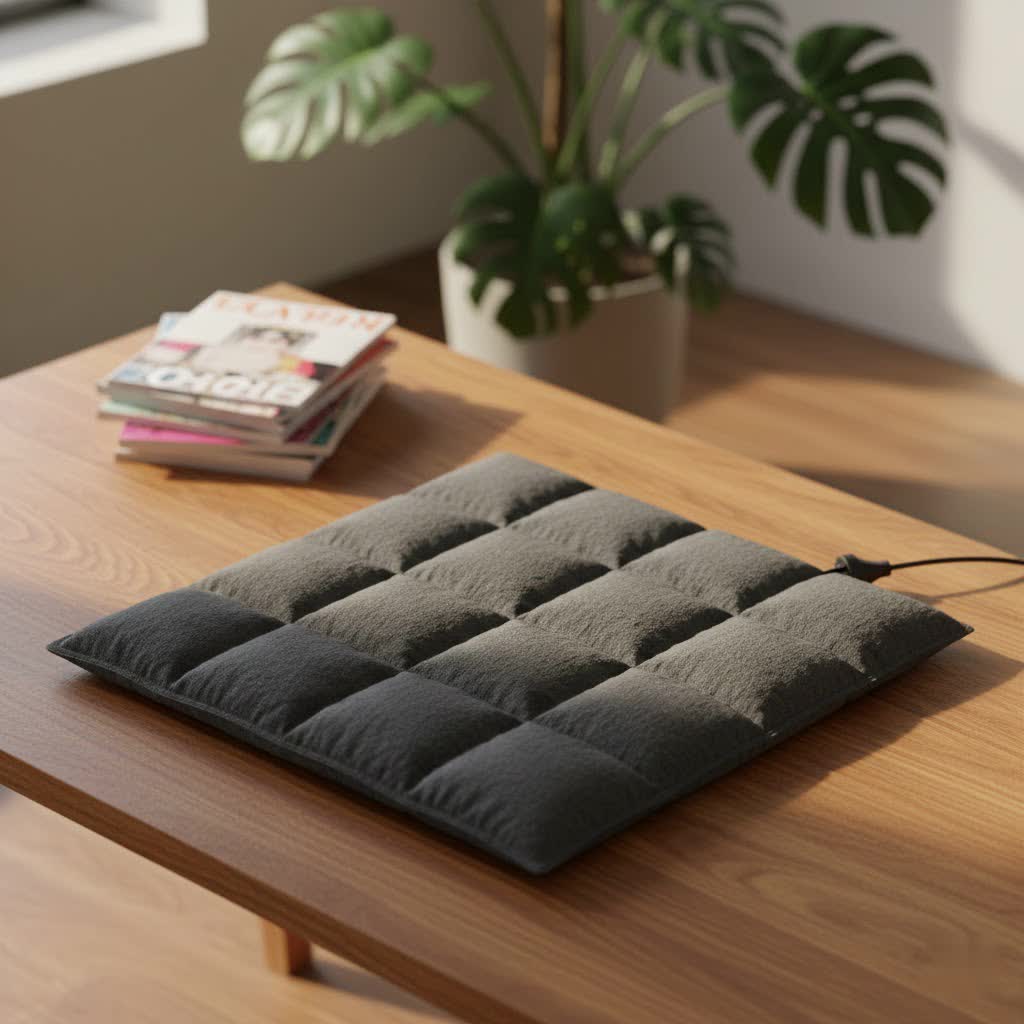
Battling persistent back pain can significantly impact your daily life, turning simple movements into agonizing tasks. If you’ve ever found yourself seeking a simple yet effective solution, a heating pad might be the answer you’re looking for. These versatile devices offer a non-pharmacological approach to alleviating discomfort, bringing warmth and relief directly to the affected area. With over a decade of experience in heating devices, particularly heating pads, I’ve seen firsthand how the right one can make a world of difference. This comprehensive guide will explore how heating pads work, their benefits for back pain, the different types available, top brands, and essential tips for choosing and using one safely and effectively.
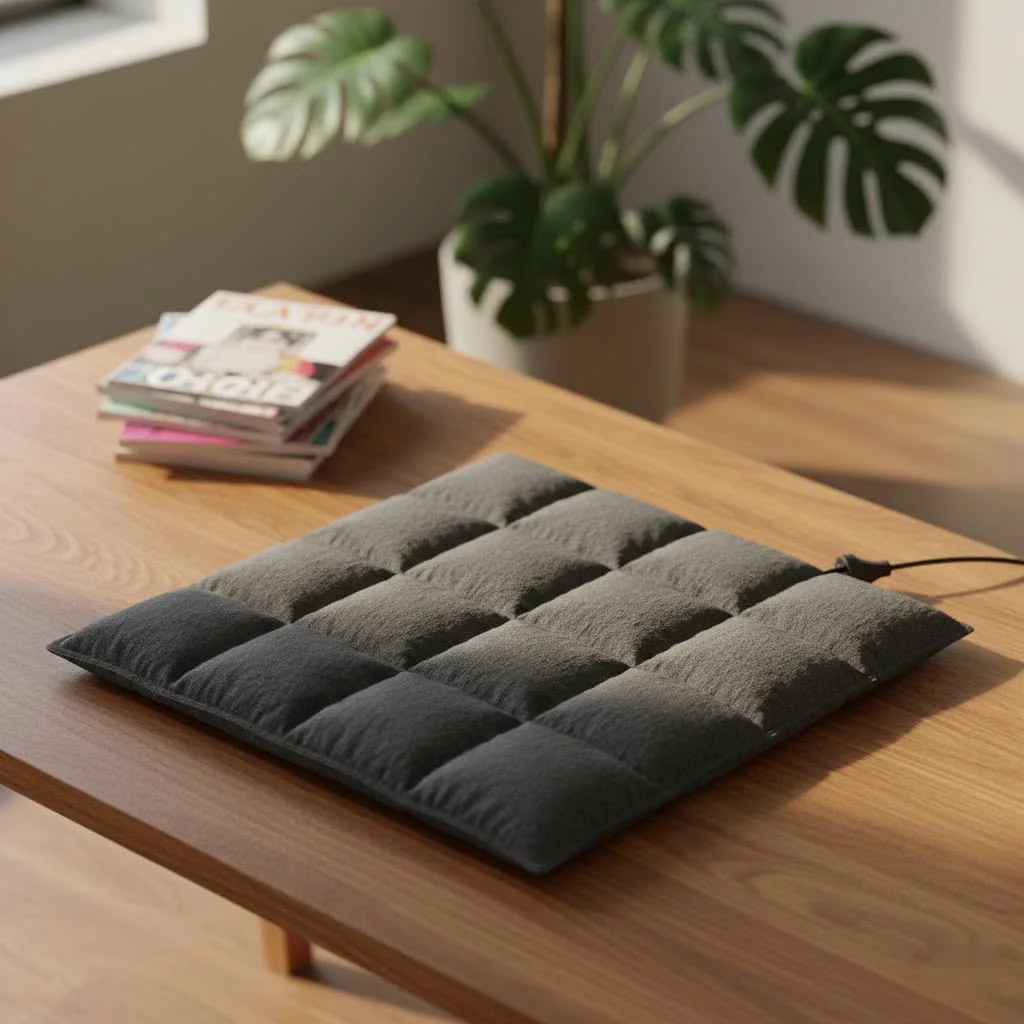
What is a Heating Pad and How Does it Work for Back Pain?
A heating pad is a device designed to apply localized heat to the body, providing therapeutic warmth to muscles and joints. At its core, the principle is simple: heat therapy. When applied to your back, the warmth causes your blood vessels to dilate, which significantly increases blood flow to the affected tissues. This improved circulation is crucial for back pain relief as it delivers more oxygen and vital nutrients to the injured or strained muscles, aiding in their repair and recovery.
Heat also helps relax tight muscles and reduce spasms, a common source of intense back pain. By calming these muscle contractions, a heating pad can alleviate stiffness and enhance flexibility, making movement less painful and more fluid. This gentle, consistent warmth acts as a natural analgesic, helping to soothe discomfort and promote a sense of overall relaxation.
The Benefits of Using a Heating Pad for Back Pain
The application of heat offers a multitude of advantages for individuals struggling with back pain. Beyond simple comfort, heat therapy provides tangible physiological benefits that contribute to lasting relief.
- Reducing Muscle Spasms and Stiffness: Heat directly helps to relax tense muscles, reducing painful spasms that often accompany back injuries or chronic conditions. This relaxation diminishes stiffness, allowing for a greater range of motion.
- Improving Blood Circulation: The dilation of blood vessels stimulated by heat therapy enhances blood flow, bringing a fresh supply of oxygen and nutrients to damaged tissues. This vital exchange supports the body’s natural healing processes and flushes away metabolic waste products that can contribute to pain.
- Alleviating Chronic Pain: For those with persistent, non-specific back pain, regular heat application can be an invaluable tool. It can soothe nerve endings and offer a sustained level of comfort that helps manage ongoing discomfort.
- Promoting Relaxation and Stress Reduction: Beyond the physical, the warmth from a heating pad provides a comforting sensation that can reduce overall stress and tension, which often exacerbates back pain. This relaxation can improve sleep quality and general well-being.
“Heat therapy is a proven method for easing musculoskeletal pain. It works by increasing blood flow, relaxing tight muscles, and distracting the body from pain signals, offering significant relief for both acute and chronic back discomfort.” – Dr. Alan Hilibrand, Co-director of Spine Surgery at Sidney Kimmel Medical College.
While medication can address inflammation, heat therapy offers a non-invasive, accessible option that can be used independently or as a complementary treatment. It’s particularly effective for back pain stemming from muscle tension, poor circulation, or overuse, often showing noticeable improvement in symptoms within days of regular use.
Common Types of Heating Pads for Back Pain
The market offers a diverse range of heating pads, each with unique features suitable for different needs. Understanding these variations is key to selecting the most effective one for your back pain.
Electric Heating Pads
|
Our Picks for the Best Heating Pad in 2026
As an Amazon Associate I earn from qualifying purchases.
|
||
| Num | Product | Action |
|---|---|---|
| 1 | GENIANI Electric Heating Pad for Back Pain & Cramps Relief, Electric Throw, Auto Shut Off, Machine Washable, Moist Heat Pad for Neck & Shoulder - Valentines Day Gifts for Her Him, Extra Large 24x12 |

|
| 2 | Cordless Heating Pad for Back, Back Heating Pad Rechargeable Heated Waist Belt Wrap with Built-in Warming Layer 5 Heat Options & 3 Auto Timer |
|
| 3 | Electric Heating pad for Back Neck Shoulder Knee Arms Legs- Electric Heat Pads with 6 Heat Settings & Auto Shut Off &Dry/Moist Heat Heating Pad for Birthday Mother Father Girl Men Women |
|
| 4 | Heating Pad for Period Cramps, Heating Pad for Back/Neck/Shoulder Muscle Pain, 6 Heating&4 Timer Setting, Auto Shut Off, Dry/Moist Heat & Machine Washable, Gray Birthday Christmas Gifts for Women Mom |
|
| 5 | Heating Pad for Back Pain Cramps Relief - Electric Heating Pad for Neck/Shoulder/Muscle Pain - 6 Heat Settings, Auto Off, Moist Heat Options, Machine Washable, Christmas Gifts for Women Mom Wife - XL |
|
| 6 | Heating Pad for Back, Neck, and Shoulder Pain Relief, Electric Heat Pad with 6 Heat Levels, Moist Heat Option, Auto Shut-Off, Birthday Christmas Gifts for Women Men Mom Dad Grandma, Gifts for her |
|
| 7 | Sunbeam XL Heating Pad for Back Neck and Shoulder Pain Relief with Sponge for Moist Heating Option Extra Large 12 x 24" Blue |
|
| 8 | GENIANI Electric Heating Pad for Back Pain & Cramps Relief, Electric Throw, Auto Shut Off, Machine Washable, Moist Heat Pad for Neck & Shoulder - Valentines Day Gifts for Her (12×24", Tabby Gray) |
|
| 9 | VAAGHANM Heating Pad: 33 x 17 inches Electric Heating Pad for Back -Extra Large Heat Pad for Shoulder/Neck/Knee/Arms - Upgraded 6 Timer & 6 Temperature Controller -Auto Shut Off |
|
| 10 | Heating Pad for Back, Neck, Shoulder Pain Relief - 12"x24" Heat Pads, Auto-Off, Machine Washable, Moist/Dry Heat Options - Valentine's Day & Christmas Gifts for Her, Him, Mom Dad, Women, Men |
|
These are the most common type, plugging into a wall outlet to provide consistent, adjustable heat.
- Pros: Offer precise temperature control (often with multiple heat settings), maintain consistent heat for extended periods, and come in various sizes and shapes, including extra-large pads ideal for covering the entire back or lumbar region. Many models include auto-shutoff features for safety and some can be used for moist heat by adding a damp sponge or misting the fabric.
- Cons: Require a power outlet, limiting portability. Cords can sometimes be cumbersome.
Microwavable Heating Pads
Filled with natural materials like rice, flaxseed, or cherry pits, these pads are heated in a microwave.
- Pros: Completely cordless, offering excellent portability and freedom of movement. They often conform well to the body’s contours and can sometimes be frozen for cold therapy.
- Cons: Heat retention is limited, typically lasting 10-20 minutes, requiring frequent reheating. There’s a risk of uneven heating or burning if microwaved for too long.
Disposable Heat Wraps/Patches
These single-use adhesive patches or wraps adhere to your skin or clothing and provide continuous low-level heat through a chemical reaction.
- Pros: Highly convenient, discreet, and portable. They offer several hours of consistent, gentle heat, making them great for on-the-go relief.
- Cons: Produce less intense heat than electric pads, are single-use (which can be costly over time), and are not reusable.
Infrared Heating Pads
These pads use far-infrared technology to deliver heat that penetrates deeper into muscle tissue compared to traditional heating pads.
- Pros: Deeper heat penetration can provide more profound relief for deeply seated muscle pain.
- Cons: Generally more expensive than standard electric heating pads.
Wearable Heating Pads
Designed with straps or a flexible form, these pads can be secured around the back, allowing for mobility while in use.
- Pros: Excellent for targeted relief while moving around or working. Some are battery-powered for true wireless convenience.
- Cons: Can sometimes be bulkier, and battery-powered versions have limited run times.
When choosing, consider if you prefer the consistent, controllable heat of an electric pad or the freedom of a cordless option. Moist heat, often achievable with electric pads or naturally with some microwavable ones, is often favored for its deeper penetration and gentler feel on the skin.
Top Heating Pad Brands for Back Pain Relief
With numerous brands offering heating pads, selecting a reputable one ensures quality, effectiveness, and safety. Here are some of the leading brands known for their heating pads tailored for back pain:
- Sunbeam: A long-standing name in heating pads, Sunbeam offers a wide range of models known for their reliability and affordability. Their products often feature multiple heat settings, auto-shutoff, and various sizes, including large and king-size options perfect for back coverage. The Sunbeam Carbon Heat Thermabelt, for example, is a popular choice for its wearable, targeted heat.
- Pure Enrichment: This brand is highly rated for its plush, comfortable heating pads that heat up quickly and offer a broad range of heat settings. The PureRelief XL is frequently recommended for its generous size, soft microplush material, and customizable experience, making it an excellent choice for full back coverage.
- Mighty Bliss: Known for its large electric heating pads, Mighty Bliss products often come with a lifetime warranty, highlighting their commitment to durability. They typically offer quick heating and can be used for both dry and moist heat therapy.
- GENIANI: Offering extra-large electric heating pads, GENIANI is praised for rapid heating and effective pain relief. Many models include moist heat options and a generous warranty, making them a solid choice for comprehensive back pain management.
- Thermophore: Often favored by healthcare professionals, Thermophore heating pads are known for delivering professional-grade moist heat that penetrates deeply into tissues without requiring manual water application. Their Classic Heat Pack is a testament to superior construction and therapeutic effectiveness.
These brands consistently receive positive feedback for their performance, safety features, and ability to provide effective relief for back pain.
Detailed Comparison of Best Heating Pads for Back Pain
Choosing the best heating pad often comes down to specific features that align with your pain relief needs. Here’s a comparison of some highly-rated models popular for back pain:
| Product Name | Brand | Type | Size (approx.) | Key Features | Price Range (Example) | User Rating (Example) |
|---|---|---|---|---|---|---|
| PureRelief XL Electric Heating Pad | Pure Enrichment | Electric | 12″ x 24″ | 6 heat settings, 2-hour auto-shutoff, microplush, 9-ft cord, fast heating | $$ | 4.5/5 |
| Carbon Heat Thermabelt Heating Pad | Sunbeam | Electric wrap | 21″ x 12″ | Adjustable Velcro belt, 4 heat settings, 2-hour auto-shutoff, hand pockets | $$ | 4.0/5 |
| Large Electric Heating Pad | Mighty Bliss | Electric | 12″ x 24″ | Lifetime warranty, auto-protection, dry/moist heat, fast heating | $$ | 4.5/5 |
| King Size Moist Heating Pad | Sunbeam | Electric | 12″ x 24″ (King) | Moist heat sponge, 4 heat settings, 2-hour auto-shutoff, machine washable | $$ | 4.0/5 |
| Extra Large Electric Heating Pad | GENIANI | Electric | 12″ x 24″ (XL) | 3 heat settings, moist heat option, 2-hour auto-shutoff, 3-year warranty | $$ | 4.5/5 |
| Classic Heat Pack | Thermophore | Electric moist | Various (e.g., 14″x27″) | Professional-grade intense moist heat, auto-shutoff, weighted | $$$ | 4.5/5 |
| Venom 2 Back | Hyperice | Battery-powered wrap | 48″ x 11″ | Targeted vibration + heat, 3 heat levels, 15-min auto-shutoff, portable | $$$$ | 4.0/5 |
Price Guide: $ = under $30; $$ = $30-$50; $$$ = $50-$100; $$$$ = over $100
Your Buying Guide: Choosing the Right Heating Pad for Your Back Pain
Selecting the ideal heating pad involves considering your personal needs and preferences to ensure effective and comfortable relief.
- Identify Your Needs: Are you dealing with acute, localized muscle soreness from a recent activity, or chronic, widespread back pain? For targeted relief, a smaller, flexible pad might suffice, while widespread pain often benefits from an extra-large or wearable wrap.
- Type of Heat: Decide between dry heat (standard electric pads) and moist heat. Moist heat is often recommended by experts for its ability to penetrate deeper into muscle tissue and feel gentler on the skin. Some electric pads offer a moist heat option.
- Size and Shape: For back pain, consider pads that are large enough to cover the entire affected area, such as lumbar-specific designs or extra-large rectangular pads. Wearable wraps with straps can provide continuous, hands-free relief while you move.
- Heat Settings and Control: Look for a heating pad with multiple heat settings, allowing you to customize the temperature to your comfort level. An easy-to-use digital controller is a bonus.
- Safety Features: Auto-shutoff is a crucial safety feature, preventing overheating if you accidentally fall asleep or forget to turn it off. Overheat protection is also vital.
- Material and Maintenance: A soft, comfortable fabric like microplush or flannel enhances the experience. Check if the cover is removable and machine washable for easy cleaning and hygiene.
- Portability: If you plan to use your heating pad while traveling or moving around the house, consider cordless options like microwavable pads or battery-powered wearable wraps. For home use, a corded electric pad with an extra-long power cord offers flexibility.
- Budget: Heating pads come at various price points. Determine your budget, but remember that investing in a quality product with good safety features and durability is often worthwhile for long-term pain relief.
How to Use and Maintain Your Heating Pad for Optimal Back Pain Relief
Proper usage and maintenance are critical for maximizing the effectiveness and ensuring the safety of your heating pad.
Before Use
- Read the Instructions: Always begin by thoroughly reading the manufacturer’s instructions for your specific heating pad.
- Test Temperature: Before applying it to your back, test the pad’s temperature on a less sensitive part of your body (like your forearm) to ensure it’s not too hot.
- Use a Barrier: Never apply a heating pad directly to bare skin. Always place a thin cloth or towel between the pad and your skin to prevent burns and irritation. This is especially important for individuals with reduced sensation.
During Use
- Start Low: Begin with the lowest heat setting and gradually increase it until you find a comfortable and effective temperature.
- Time Limits: Apply heat for 15 to 30 minutes at a time. While some heat wraps are designed for longer, continuous low-level heat (up to 8 hours), electric pads should typically not be used for more than 30 minutes on a high setting.
- Avoid Sleeping: Do not fall asleep with an electric heating pad on, even if it has an auto-shutoff feature, as prolonged contact can lead to burns.
- When to Use Heat: Heat therapy is best for chronic back pain, muscle stiffness, and spasms. It’s particularly useful before activity to loosen muscles or after a long day to relax.
- When Not to Use Heat: Avoid using heat on acute injuries (within the first 48-72 hours), areas with swelling, open wounds, irritated skin, or if you have a fever. Do not combine heating pads with pain-relieving creams or patches, as this can increase the risk of burns.
- Consult a Doctor: If you have certain medical conditions such as diabetes, neuropathy, poor circulation, deep vein thrombosis, or multiple sclerosis, or if you are pregnant, consult your doctor before using a heating pad. If your pain doesn’t improve after a few days of heat therapy, seek medical advice.
Maintenance
- Unplug and Cool: Always unplug your heating pad and allow it to cool completely before storing it.
- Cleaning: Follow the manufacturer’s cleaning instructions. Many electric heating pads come with machine-washable covers, which should be cleaned regularly for hygiene. Do not submerge electric pads in water unless specifically designed to be fully washable.
- Storage: Store your heating pad flat or loosely rolled in a dry, safe place. Avoid sharply creasing the pad, which can damage internal wiring. Inspect the cord and pad for any signs of wear or damage before each use.
Conclusion
Back pain doesn’t have to dictate your life. A quality heating pad, used correctly, can be a cornerstone of your pain management strategy. By increasing blood flow, relaxing tight muscles, and offering soothing comfort, these devices provide an accessible and effective pathway to relief. From understanding the benefits of moist versus dry heat to selecting the right size and safety features, making an informed choice empowers you to reclaim comfort and mobility. Don’t let back pain hold you back any longer; embrace the warmth and discover the profound difference a well-chosen heating pad can make.
What steps will you take today to integrate targeted heat therapy into your routine for a more comfortable tomorrow?
Frequently Asked Questions
Can you sleep with a heating pad on?
It is generally not recommended to sleep with an electric heating pad turned on, even those with an auto-shutoff feature. Prolonged direct contact, especially at higher settings, can lead to skin burns.
How long should I use a heating pad for back pain?
For most electric heating pads, apply heat for 15 to 30 minutes at a time. Some disposable or low-level continuous heat wraps can be used for longer durations, but always follow specific product instructions.
Is moist heat better than dry heat for back pain?
Many experts suggest that moist heat penetrates deeper into muscle tissue and can feel more comfortable on the skin compared to dry heat. Some electric heating pads offer a moist heat option by incorporating a damp sponge or misting the fabric cover.
When should I not use a heating pad for back pain?
Avoid using a heating pad on acute injuries (less than 48 hours old), areas with swelling, open wounds, irritated skin, or if you have certain medical conditions like diabetes or poor circulation. Consult a doctor if unsure.
Can a heating pad help with sciatic nerve pain?
Yes, heat therapy can help relieve sciatic nerve pain by relaxing the muscles that may be compressing the nerve and by increasing blood flow to the area, which can reduce inflammation and promote healing.
How often can I use a heating pad for back pain?
You can typically use a heating pad a few times a day, with breaks in between sessions to allow your skin to return to its normal temperature. Listen to your body and discontinue use if you experience discomfort.
What’s the best temperature setting for back pain?
Always start on the lowest heat setting and gradually increase it until you find a temperature that feels comfortably warm and soothing, without being uncomfortably hot or burning. The goal is relief, not intense heat.
Get our weekly buyer guide
Practical specs, not advice. Unsubscribe anytime.
