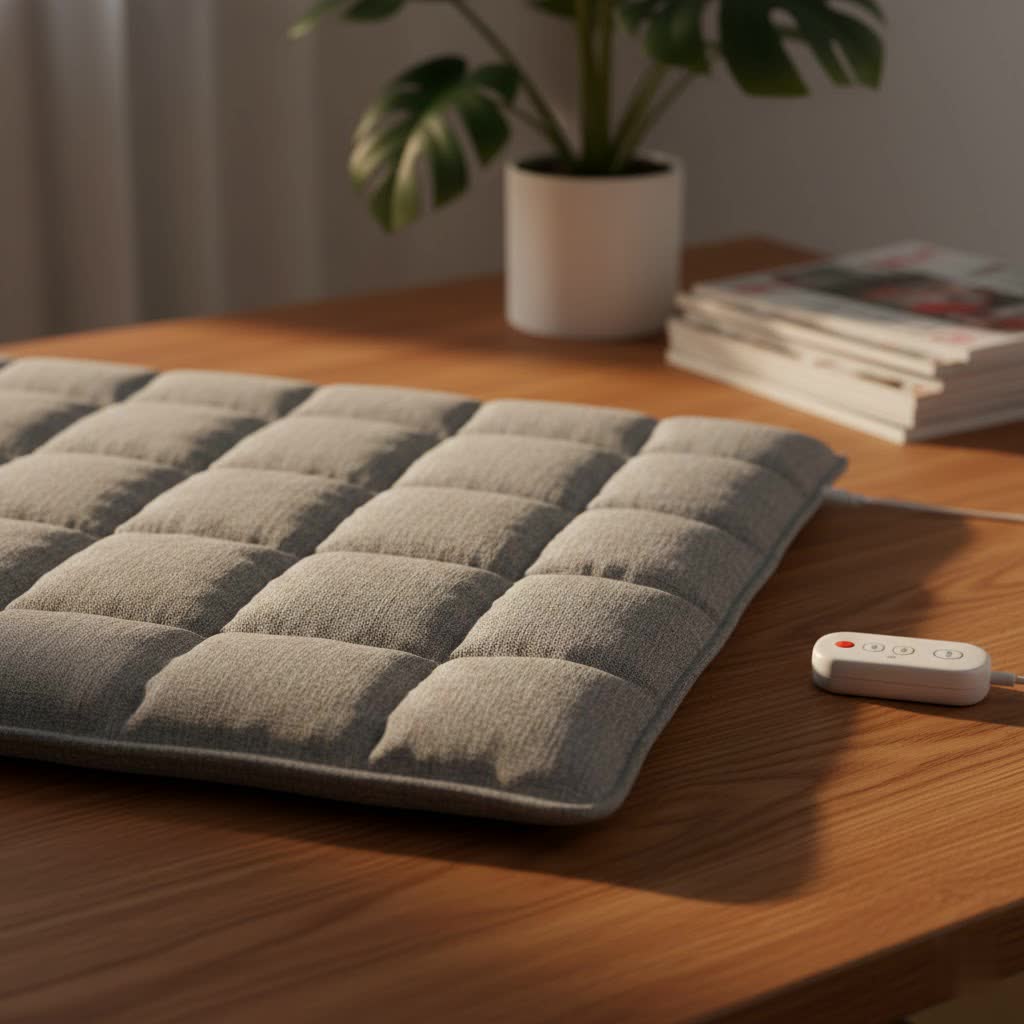
Heating pads offer effective relief for various headaches, particularly tension and cervicogenic types, by relaxing tense muscles and improving blood flow. This simple device delivers localized warmth, which causes blood vessels to dilate, increasing circulation to affected areas like the neck and shoulders. Enhanced blood flow delivers more oxygen and nutrients while flushing out metabolic waste products that contribute to pain, making heating pads a go-to solution for easing headache discomfort.
What is a Heating Pad and How Does it Work for Headaches?
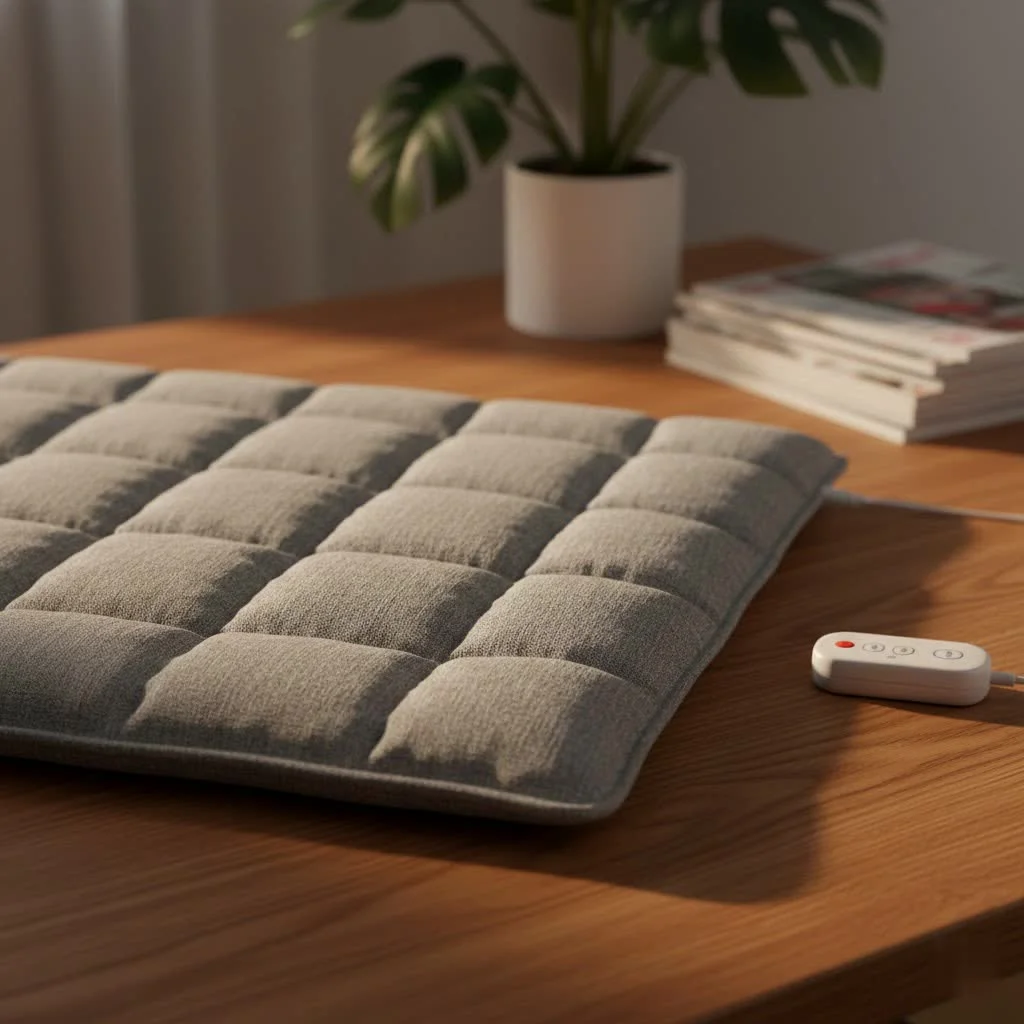
A heating pad is a device designed to apply warmth to the body, typically used for therapeutic purposes to alleviate pain and discomfort. It works by delivering localized heat, which influences physiological responses in the affected area. When applied to areas associated with headaches, such as the neck, shoulders, or even the head itself, a heating pad initiates several beneficial actions. The warmth causes blood vessels to dilate, a process known as vasodilation, increasing blood flow to the muscles and tissues. This enhanced circulation delivers more oxygen and nutrients while helping to flush away metabolic waste products that can contribute to pain. The heat helps to relax tense muscles, soothe nerve endings, and promote a general sense of calm, effectively reducing the intensity of certain types of headaches. For compare top heating pads on this site.
The Benefits of Using a Heating Pad for Headache Relief
Heating pads offer a range of therapeutic benefits that make them particularly effective for addressing headache pain. Their ability to deliver consistent, soothing warmth can significantly improve comfort and promote healing.
- Muscle Tension Relief: Many headaches, especially tension headaches, stem from tightness in the muscles of the neck, shoulders, and scalp. The penetrating warmth from a heating pad helps these muscles to relax, releasing the constricting pressure that often causes headache pain.
- Improved Circulation: By encouraging blood vessel dilation, heating pads boost local blood flow. This increased circulation not only helps to remove pain-contributing compounds but also brings fresh oxygen and nutrients to stiff areas, aiding in recovery and reducing discomfort.
- Relaxation and Stress Reduction: The comforting sensation of warmth has a powerful calming effect on the nervous system. Applying a heating pad can help reduce overall stress and anxiety, which are common triggers and exacerbators of headaches. This therapeutic relaxation can break the cycle of tension and pain.
- Support for Sinus Headaches: For headaches caused by sinus congestion, gentle heat applied over the sinuses can help to thin mucus and promote drainage. This reduces pressure and inflammation, providing much-needed relief from the dull, aching pain often associated with sinus issues.
Different Types of Headaches and When to Use Heat Therapy
Understanding the origin of your headache is key to determining if a heating pad is the right tool for relief. While heat offers broad benefits, its effectiveness can vary depending on the specific type of headache you are experiencing.
Tension Headaches: The Ideal Candidate for Heat
|
Our Picks for the Best Heating Pad in 2026
As an Amazon Associate I earn from qualifying purchases.
|
||
| Num | Product | Action |
|---|---|---|
| 1 | VAAGHANM Heating Pad: 33 x 17 inches Electric Heating Pad for Back -Extra Large Heat Pad for Shoulder/Neck/Knee/Arms - Upgraded 6 Timer & 6 Temperature Controller -Auto Shut Off |

|
| 2 | Heating Pad for Back Pain Cramps Relief - Electric Heating Pad for Neck/Shoulder/Muscle Pain - 6 Heat Settings, Auto Off, Moist Heat Options, Machine Washable, Christmas Gifts for Women Mom Wife - XL |
|
| 3 | Cordless Heating Pad for Back, Back Heating Pad Rechargeable Heated Waist Belt Wrap with Built-in Warming Layer 5 Heat Options & 3 Auto Timer |
|
| 4 | Electric Heating pad for Back Neck Shoulder Knee Arms Legs- Electric Heat Pads with 6 Heat Settings & Auto Shut Off &Dry/Moist Heat Heating Pad for Birthday Mother Father Girl Men Women |
|
| 5 | Heating Pad for Back, Neck, Shoulder Pain Relief - 12"x24" Heat Pads, Auto-Off, Machine Washable, Moist/Dry Heat Options - Valentine's Day & Christmas Gifts for Her, Him, Mom Dad, Women, Men |
|
| 6 | GENIANI Electric Heating Pad for Back Pain & Cramps Relief, Electric Throw, Auto Shut Off, Machine Washable, Moist Heat Pad for Neck & Shoulder - Valentines Day Gifts for Her (12×24", Tabby Gray) |
|
| 7 | Heating Pad for Back, Neck, and Shoulder Pain Relief, Electric Heat Pad with 6 Heat Levels, Moist Heat Option, Auto Shut-Off, Birthday Christmas Gifts for Women Men Mom Dad Grandma, Gifts for her |
|
| 8 | GENIANI Electric Heating Pad for Back Pain & Cramps Relief, Electric Throw, Auto Shut Off, Machine Washable, Moist Heat Pad for Neck & Shoulder - Valentines Day Gifts for Her Him, Extra Large 24x12 |
|
| 9 | Sunbeam XL Heating Pad for Back Neck and Shoulder Pain Relief with Sponge for Moist Heating Option Extra Large 12 x 24" Blue |
|
| 10 | Heating Pad for Period Cramps, Heating Pad for Back/Neck/Shoulder Muscle Pain, 6 Heating&4 Timer Setting, Auto Shut Off, Dry/Moist Heat & Machine Washable, Gray Birthday Christmas Gifts for Women Mom |
|
Tension headaches are often characterized by a dull, aching pain, tightness, or pressure around the forehead, temples, back of the head, and neck. These are frequently caused by stress, poor posture, or muscle strain in the neck and shoulders. For this type of headache, a heating pad is exceptionally effective. The warmth helps to loosen stiff muscles, improve circulation to the affected areas, and alleviate the underlying tension that triggers the pain. Applying heat to the back of the neck or shoulders can provide significant relief, helping to melt away the knots and tightness that contribute to your discomfort.
Migraines: A Nuanced Approach
Migraines are more complex, often involving intense throbbing pain, sensitivity to light and sound, and sometimes nausea. For many migraine sufferers, cold therapy is often preferred as it can constrict blood vessels and numb the pain. However, heat can still play a supportive role. If your migraine is accompanied by significant neck or shoulder stiffness, applying a heating pad to these areas might help relax the muscles and reduce a contributing factor to your pain. Some individuals also find that heat offers a soothing distraction or helps them relax while waiting for migraine medication to take effect. It’s crucial to listen to your body and experiment to see if heat provides comfort or exacerbates your specific migraine symptoms.
Sinus Headaches: Clearing the Pressure
Sinus headaches typically manifest as pressure and pain around the eyes, cheeks, and forehead, often accompanied by congestion. Heat can be beneficial here by helping to open up nasal passages and thin mucus, promoting drainage and reducing the pressure that causes the headache. A warm compress or a heating pad gently placed over the sinus areas can provide soothing relief from this type of discomfort.
Cervicogenic Headaches: Addressing the Root
Cervicogenic headaches originate from problems in the cervical spine (neck) and surrounding structures. The pain often starts in the neck and radiates to the head. Given their muscular and structural origin, these headaches respond well to heat therapy aimed at relaxing the neck muscles. A well-placed heating pad on the back of the neck can ease muscle spasms and improve mobility, thereby reducing the headache pain that stems from this region.
Types of Heating Pads for Headache Relief
The market offers a diverse array of heating pads, each with unique features suited for different needs. When selecting one for headache relief, consider the various types and their advantages.
- Electric Heating Pads: These are the most common type, offering consistent and adjustable heat. Many come with multiple heat settings, automatic shut-off features for safety, and moist heat options. Their larger sizes are great for covering the neck and shoulders, while smaller, more flexible designs can be adapted for facial or sinus areas. Look for models with soft, washable covers for hygiene and comfort.
- Microwavable Heat Packs: Often filled with natural materials like rice, flaxseed, clay beads, or herbal blends, these pads offer cordless convenience. They can be quickly heated in a microwave and provide soothing, moist heat. Many are specifically designed as wraps for the neck and shoulders, or smaller eye masks for targeted relief. The benefit of these is their portability and the natural, often aromatic, warmth they provide.
- Wearable Heat Wraps: Designed to contour to specific body parts like the neck and shoulders, these wraps often feature adjustable straps to keep them in place. They can be electric or microwavable, providing hands-free relief that allows for greater mobility during therapy. These are excellent for targeting the muscle groups often implicated in tension headaches.
- Gel Packs (Hot/Cold): Versatile gel packs can be either heated in a microwave or chilled in a freezer. This dual functionality makes them ideal for individuals who might benefit from alternating heat and cold therapy, or for those whose headache type responds better to one over the other.
When choosing, consider where you typically experience headache pain. For broad neck and shoulder tension, a larger electric pad or a wearable wrap is excellent. For targeted relief around the temples or sinuses, smaller microwavable packs or even eye masks can be more suitable.
Top Heating Pads for Headache Relief: A Comparison
Choosing the right heating pad can make all the difference in your headache relief journey. Here’s a comparison of some highly-regarded options known for their effectiveness and features.
| Product Name | Brand | Type | Key Features | Best For | Price Range (Approx.) |
|---|---|---|---|---|---|
| PureRelief XL King Size | Pure Enrichment | Electric (Moist/Dry) | Large coverage (12″x24″), 6 heat settings, 2-hour auto-off, machine washable | Neck, shoulders, general body pain | $35 – $55 |
| Sunbeam Standard Size | Sunbeam | Electric (Moist/Dry) | Affordable, 4 heat settings, auto-off, soft fabric | General tension, localized relief | $20 – $35 |
| Hugaroo Soothe Unscented | Hugaroo | Microwavable Herbal | Bulky for wide coverage, unscented, stays warm up to 30 mins, hypoallergenic | Migraine tension, sinus pressure, eye relief | $40 – $60 |
| Hyperice Venom 2 Neck | Hyperice | Cordless Wearable (Electric) | Targeted vibration + heat, quick heat-up, lightweight, portable | Neck and shoulder tension, active relief | $150 – $200 |
| FOMI Clay Bead Neck Wrap | FOMI | Microwavable | Contours to neck/shoulders, clay beads retain heat, aromatherapy option | Neck stiffness, tension headaches | $25 – $40 |
| TheraICE Headache Relief Cap | TheraICE | Hot/Cold Gel Cap | Full head coverage, provides compression, can be heated or frozen | Migraines, general head pain, sinus relief | $30 – $50 |
“The right temperature applied to the right spot can significantly interrupt the pain signals associated with headaches, offering a natural and non-invasive path to comfort.” – Dr. Elena Petrova, Neurologist
How to Safely and Effectively Use Your Heating Pad for Headaches
To maximize the benefits of your heating pad while ensuring your safety, follow these essential guidelines for selection, application, and care.
Choosing the Right Heating Pad
- Size and Shape: For headaches rooted in neck and shoulder tension, opt for larger pads or contoured wraps that can comfortably cover these areas. For sinus pain, a smaller, more flexible pad or an eye mask might be more appropriate.
- Heat Settings: Look for pads with multiple heat settings. Starting at a low temperature and gradually increasing it allows your body to adjust and helps prevent overheating.
- Auto Shut-Off: This is a crucial safety feature, especially if there’s a chance you might doze off. An automatic shut-off timer prevents prolonged heat exposure and reduces the risk of burns.
- Moist Heat Option: Some electric pads allow for moist heat application (often by dampening a sponge insert). Moist heat can penetrate deeper and feel more soothing than dry heat.
- Material and Washability: Choose a pad with a soft, comfortable cover that can be removed and machine-washed for hygiene.
Application for Headache Relief
- Preparation: Always place a thin cloth or towel between the heating pad and your bare skin. This barrier protects your skin from direct, prolonged heat, preventing burns and irritation.
- Placement:
- Tension Headaches: Position the heating pad around the back of your neck, over your shoulders, or at the base of your skull. These areas are common sites for muscle tension that radiates to the head.
- Sinus Headaches: Gently place a warm, moist compress or a smaller heating pad over your forehead and cheekbones, avoiding direct pressure on the eyes.
- Temperature Control: Start with the lowest heat setting. Increase gradually only if comfortable and necessary. The goal is soothing warmth, not intense heat.
- Duration: Limit each session to 15-20 minutes. While it can be tempting to use it longer, excessive heat exposure can lead to skin damage or rebound pain. For persistent pain, you can repeat the application after a break of at least an hour.
- Relaxation: Lie down in a comfortable, quiet space. Close your eyes and practice deep, slow breathing to enhance relaxation and maximize the therapeutic effects of the heat.
Important Safety Precautions
- Never Sleep with a Heating Pad On: Even with an auto shut-off, it’s best to avoid falling asleep while using a heating pad due to the risk of burns.
- Inspect Your Pad: Regularly check your heating pad for frayed cords, cracked plastic, or other damage. Replace it if you notice any wear and tear.
- Avoid Damaged Skin: Do not apply a heating pad to broken, irritated, or insensitive skin.
- Consult a Professional: If you have underlying health conditions like diabetes, poor circulation, nerve damage, or are pregnant, consult your doctor before using a heating pad. If your headaches are severe, persistent, or accompanied by other concerning symptoms, seek medical advice.
Heat vs. Cold Therapy: Understanding the Difference for Headaches
When a headache strikes, the choice between heat and cold therapy can be crucial, as each offers distinct benefits depending on the headache type.
Heat therapy, primarily delivered through heating pads, promotes vasodilation, increases blood flow, and relaxes tense muscles. This makes it an excellent choice for tension headaches and cervicogenic headaches where muscle tightness in the neck and shoulders is a significant contributor to the pain. Heat can also help with sinus headaches by thinning mucus and reducing pressure.
Conversely, cold therapy, such as an ice pack or a cold compress, works by causing vasoconstriction, numbing the area, and reducing inflammation. This makes cold typically more effective for migraines and cluster headaches, which often involve dilated blood vessels and inflammatory processes. Applying cold to the forehead, temples, or back of the neck can help to dull the throbbing pain and reduce sensitivity.
In some cases, a combination of both heat and cold can be beneficial. For instance, you might start with a heating pad on your neck and shoulders to relax tense muscles, and then follow with a cold pack on your forehead to address any residual throbbing or inflammation. Alternating between 10 minutes of heat and 10 minutes of cold can provide comprehensive relief for stubborn headaches that involve both tension and a pulsing sensation. The key is to listen to your body and determine which temperature therapy, or combination, provides the most comfort for your specific headache symptoms.
Conclusion
Headaches, in their various forms, can significantly impact our daily lives, but relief is often within reach. Heating pads offer a simple, non-invasive, and highly effective method for easing discomfort, particularly for tension and cervicogenic headaches. By relaxing tense muscles, boosting circulation, and promoting overall relaxation, a well-chosen and correctly applied heating pad can become an indispensable tool in your headache management arsenal. While cold therapy often shines for migraines, understanding your specific headache type will guide you to the most beneficial approach, whether it’s the soothing warmth of heat, the numbing relief of cold, or even a strategic combination of both. to prioritize safety and consult a healthcare professional for persistent or severe symptoms.
Frequently Asked Questions
Can a heating pad make a headache worse?
For some types of headaches, especially certain migraines, heat can sometimes increase inflammation or blood vessel dilation, potentially worsening symptoms. It’s crucial to try heat therapy cautiously and discontinue use if your headache intensifies.
What is the best place to put a heating pad for a headache?
For tension headaches, the most effective places are the back of the neck, across the shoulders, or at the base of the skull to relax tense muscles. For sinus headaches, gently apply it over the forehead and cheeks, avoiding direct eye contact.
How long should I use a heating pad for headache relief?
It’s generally recommended to use a heating pad for 15 to 20 minutes at a time. Prolonged exposure can lead to skin irritation or burns, even at lower temperatures. You can repeat applications after a break if needed.
Is moist heat better than dry heat for headaches?
Many find moist heat more effective as it can penetrate deeper into muscle tissue and feel more soothing than dry heat. Some electric heating pads offer a moist heat option, or you can use a warm, damp towel.
Can children use heating pads for headaches?
While some heating pads are designed for children, it’s essential to exercise extreme caution due to their more sensitive skin and potential inability to communicate discomfort. Always supervise children closely, use the lowest heat setting, and consult a pediatrician first.
When should I use a heating pad versus an ice pack for a headache?
Use a heating pad for headaches caused by muscle tension or stiffness (like tension or cervicogenic headaches), or for sinus pressure. Use an ice pack for throbbing, acute pain, or migraines where inflammation or blood vessel dilation is a factor. Some find alternating between hot and cold beneficial.
Frequently Asked Questions
Can a heating pad make a headache worse?
For some types of headaches, particularly certain migraines, heat can sometimes increase inflammation or blood vessel dilation, potentially worsening symptoms. It's crucial to try heat therapy cautiously and discontinue use if your headache intensifies, especially if you experience throbbing pain.
What is the best place to put a heating pad for a headache?
For tension headaches, the most effective places are the back of the neck, across the shoulders, or at the base of the skull to relax tense muscles. For sinus headaches, gently apply it over the forehead and cheeks, avoiding direct eye contact, to help clear congestion.
How long should I use a heating pad for headache relief?
It's generally recommended to use a heating pad for 15 to 20 minutes at a time. Prolonged exposure can lead to skin irritation or burns, even at lower temperatures. You can repeat applications after a break of at least one hour if needed for persistent pain.
Is moist heat better than dry heat for headaches?
Many individuals find moist heat more effective as it can penetrate deeper into muscle tissue and feel more soothing than dry heat. Some electric heating pads, like the PureRelief XL King Size, offer a moist heat option, or you can use a warm, damp towel for similar benefits.
When should I use a heating pad versus an ice pack for a headache?
Use a heating pad for headaches caused by muscle tension or stiffness, such as tension or cervicogenic headaches, or for sinus pressure. Use an ice pack for throbbing, acute pain, or migraines where inflammation or blood vessel dilation is a factor. Alternating between 10 minutes of heat and 10 minutes of cold can provide comprehensive relief for stubborn headaches.
Can children safely use heating pads for headaches?
While some heating pads are designed for children, it's essential to exercise extreme caution due to their more sensitive skin and potential inability to communicate discomfort. Always supervise children closely, use the lowest heat setting, and consult a pediatrician before use to ensure safety.
How to Safely Use a Heating Pad for Headaches
Maximize the benefits of your heating pad for headache relief while ensuring safety by following these guidelines for preparation, placement, temperature control, and duration.
Always place a thin cloth or towel between the heating pad and your bare skin to protect against direct, prolonged heat. This barrier helps prevent burns and skin irritation, ensuring a safe application.
For tension headaches, position the pad on your neck, shoulders, or base of the skull. For sinus headaches, gently place a warm, moist compress or smaller pad over your forehead and cheekbones, avoiding direct eye contact.
Start with the lowest heat setting and increase gradually only if comfortable. Limit each session to 15-20 minutes to prevent skin damage or rebound pain. You can repeat the application after a break of at least an hour if needed.
Lie down in a comfortable, quiet space while using the heating pad. Close your eyes and practice deep, slow breathing to enhance relaxation and maximize the therapeutic effects of the warmth on your headache.
Never sleep with a heating pad on, even with an auto shut-off feature, due to burn risks. Regularly inspect your pad for damage and replace it if necessary. Avoid applying heat to broken, irritated, or insensitive skin.
Get our weekly buyer guide
Practical specs, not advice. Unsubscribe anytime.

I tried one of the microwaveable heating pads mentioned, hoping it would help with my forehead pain. While the warmth felt nice initially, it didn’t stay hot for very long, maybe 15-20 minutes. I found myself having to reheat it multiple times during a single headache episode, which was a bit inconvenient. It’s okay for quick relief, but I might need something with a more consistent heat source.
I’ve suffered from tension headaches for years, and this blog post really helped me find a great solution. I picked up one of the recommended heating pads for my neck and shoulders, and it’s been a game-changer. The warmth really does relax those tight muscles and I’ve noticed a significant reduction in how often I get headaches. So much better than just popping pills all the time.
I was skeptical about using a heating pad for my headaches, but after reading about how it improves blood flow, I decided to try it. I got a basic electric one, and it’s surprisingly effective for those cervicogenic headaches that start in my neck. It doesn’t completely eliminate the pain every time, but it definitely takes the edge off and makes it more manageable. Good info here.
This post was super helpful in understanding why heating pads work for headaches, especially the part about flushing out metabolic waste products. I always just thought it was about relaxation. I invested in a larger heating pad that covers my whole upper back and neck, and it’s been fantastic for those really stubborn headaches. Highly recommend trying this if you get frequent headaches.