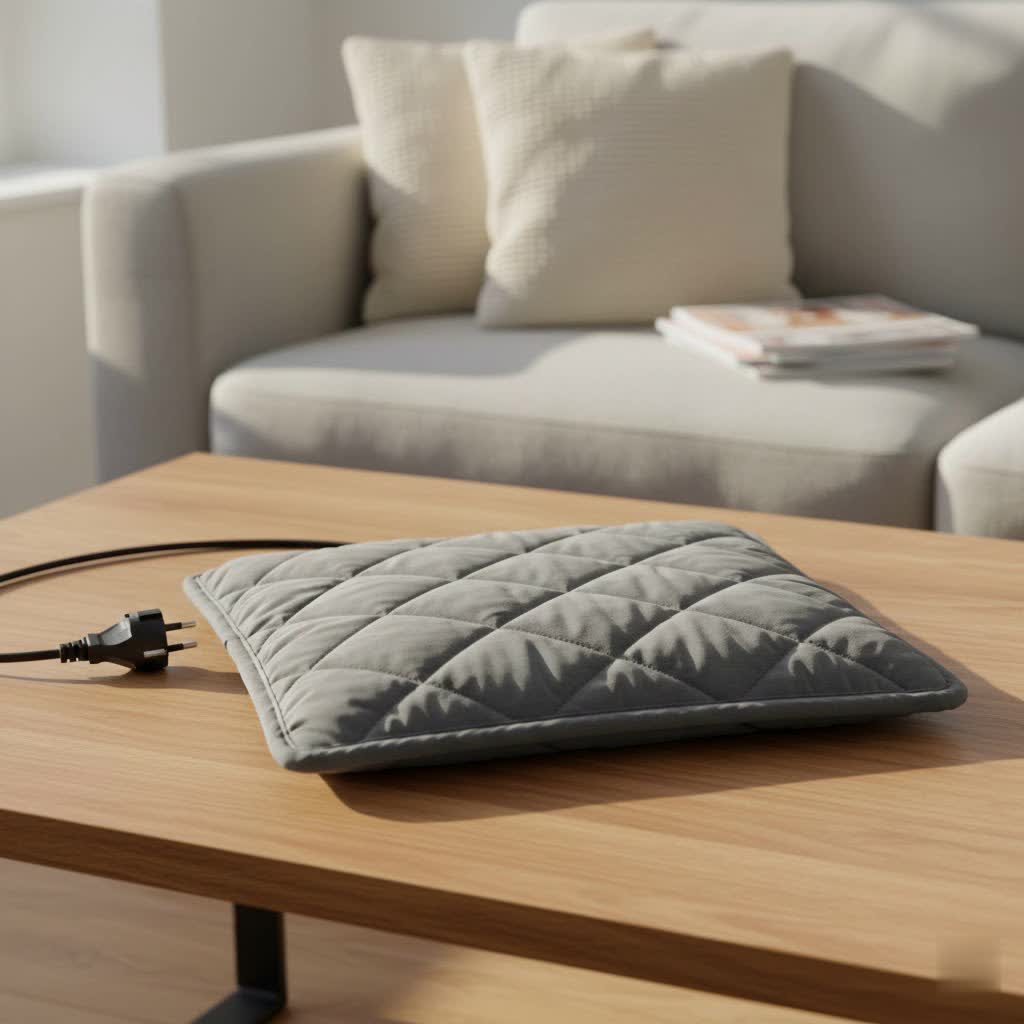
A stiff neck can disrupt your entire day, turning simple movements into painful experiences. Whether it’s from poor posture, stress, or an awkward night’s sleep, that nagging tightness demands relief. For many, a heating pad emerges as a trusted companion, offering a comforting embrace that melts away tension. But with so many options available, how do you choose the right one to effectively tackle that persistent neck stiffness? This comprehensive guide will explore everything you need to know about selecting, using, and benefiting from a heating pad designed to bring soothing comfort to your stiff neck.
Understanding Heating Pads: What They Are and How They Work
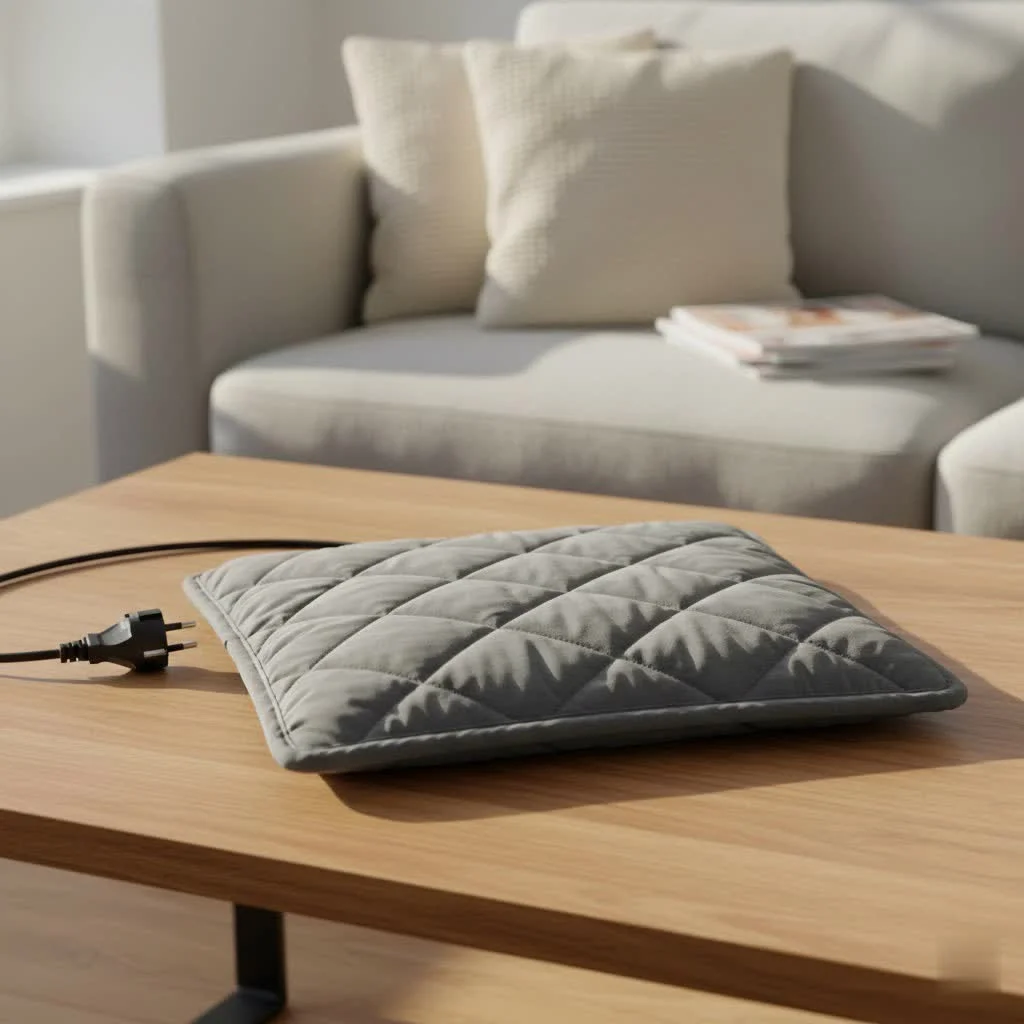
At its core, a heating pad is a device that applies warmth to a specific body area, and for a stiff neck, this targeted heat can be incredibly therapeutic. While the design and heating method can vary, the fundamental principle remains the same: to deliver controlled warmth that interacts with your body’s physiology to alleviate discomfort.
Heat therapy works by causing blood vessels in the treated area to dilate, which significantly increases blood flow. This surge in circulation delivers more oxygen and vital nutrients to the stiff and sore muscles, facilitating natural healing processes. Simultaneously, the warmth helps to relax tense muscles and reduce muscle spasms, which are often major contributors to neck stiffness and pain. The soothing sensation of heat can also calm nerve endings, reducing the transmission of pain signals to your brain. When it comes to stiff necks, the debate often arises between moist and dry heat. Moist heat, generated by heating pads that can be dampened or microwavable pads with natural fillings, is often preferred because water conducts heat more effectively than air, allowing for deeper penetration into muscle tissue and a more profound sense of relief.
The Soothing Benefits of Heating Pads for Neck Stiffness
Integrating a heating pad into your routine can offer a multitude of benefits for a stiff neck, transforming discomfort into a state of relaxed ease. The application of therapeutic heat directly targets several key issues that contribute to neck pain.
Primarily, heating pads excel at reducing muscle tension and spasms. The warmth encourages tight muscles in the neck and shoulders to release, easing the strain that often results from poor posture, stress, or overuse. This relaxation can feel almost immediate, allowing your neck to move more freely. Secondly, the improved blood flow and nutrient delivery to the affected area are crucial for recovery. Enhanced circulation helps flush out metabolic waste products that can accumulate in sore muscles and brings in fresh oxygen and nutrients, accelerating the healing of strained tissues. This also contributes to significant pain reduction, as the soothing warmth directly calms irritated nerve endings.
Furthermore, by loosening tight muscles, heating pads contribute to enhanced flexibility and range of motion in your neck. This makes it easier to turn your head, look over your shoulder, and perform daily activities without apprehension. Beyond the physical, the warmth and comfort provided by a heating pad can offer profound stress reduction and relaxation. Neck stiffness is often exacerbated by stress, and the simple act of applying warmth can trigger a relaxation response throughout your body, alleviating mental and physical tension simultaneously. For those dealing with chronic neck pain or stiffness associated with conditions like arthritis, heat therapy provides consistent, drug-free relief, making it a valuable tool in long-term pain management.
Exploring Different Types of Heating Pads for Neck Pain
The market offers a diverse range of heating pads, each with unique characteristics suited for different preferences and needs when tackling neck stiffness. Understanding these types will help you narrow down your perfect match.
Electric Heating Pads are a popular choice due to their consistent heat delivery and customizable features. These pads typically plug into an outlet and offer adjustable temperature settings, allowing you to control the intensity of the warmth. Many models also include automatic shut-off timers for safety, preventing overheating if you doze off. Some electric pads come with a sponge insert to provide moist heat, combining the benefits of electricity with deeper penetration. Their main advantage is continuous, reliable heat for extended periods, but they do tether you to a power source.
Microwavable Heating Pads and Wraps offer excellent portability and convenience. Filled with natural materials like flaxseed, clay beads, rice, or millet, these pads are heated in the microwave and retain warmth for a specific duration. Many are designed as contoured wraps that comfortably fit around the neck and shoulders, providing hands-free relief. A significant benefit is their ability to often double as cold packs when chilled in a freezer, offering versatile hot and cold therapy. While great for on-the-go relief, their heat duration is limited, requiring reheating. Some also infuse natural herbs like lavender for an aromatherapy experience.
Beyond these primary types, you might also encounter:
- Hot Water Bottles: An affordable, non-electric classic that provides effective heat. However, the water cools over time, and the temperature isn’t adjustable, requiring careful handling to prevent burns.
- Gel Heat Packs: These reusable packs often heat up quickly with a “snap” of an internal disc or by boiling. They are great for quick, localized relief but typically don’t retain heat for very long.
- Disposable Heat Packs: Air-activated patches that stick to your skin, offering continuous low-level dry heat for several hours. They are convenient for travel or all-day use but are single-use and less environmentally friendly.
For persistent neck stiffness, electric and microwavable pads designed specifically for the neck and shoulders often provide the most effective and comfortable solutions.
Top Heating Pad Brands & Models for Neck Relief
When seeking effective relief for a stiff neck, several brands consistently stand out for their quality, design, and user satisfaction. Here’s a look at some leading options and their standout features:
- Sunbeam Renue Neck Heat Wrap: A highly regarded electric heating pad, specifically contoured to drape comfortably around the neck and shoulders. It features lightly weighted edges and a magnetic clasp to keep it securely in place, delivering direct heat to this commonly tense area. Many models offer the option for moist heat when used with a damp sponge, and it often includes multiple heat settings and an auto-shutoff feature for safety.
- Pure Enrichment PureRelief XL Heating Pad: This electric heating pad is known for its expansive coverage, often extending to cover the neck, shoulders, and a good portion of the upper back. Its shawl-like design with a velcro strap allows for hands-free use. It offers multiple therapeutic heat settings (e.g., 110-140°F) and typically includes a convenient auto shut-off, making it a robust choice for broad relief.
- Huggaroo Microwave Heating Pad for Neck and Shoulders: An excellent choice for those preferring cordless, weighted comfort. Filled with natural clay beads, it provides moist heat and can also be used as a cold pack. The weighted design offers a gentle, calming pressure, and its hypoallergenic Minky fabric ensures a soft touch. Heat typically lasts around 30 minutes per microwave session.
- Comfytemp Weighted Heating Pad for Neck and Shoulders: This electric, weighted heating pad utilizes micro-glass beads for a comforting, hug-like sensation. It’s designed to conform to the upper back, neck, and shoulders, offering multiple heat settings and extensive auto-shutoff timer options (from 0.5 to 9 hours). Its machine-washable cover adds to its practicality.
- REVIX Heated Neck Wrap: A popular microwavable option that combines heat therapy with aromatherapy. It’s filled with a natural blend of organic flaxseed, millet, and clay beads, infused with calming scents like lavender, chamomile, peppermint, and lemongrass. This hands-free wrap also offers both hot and cold therapy, providing a holistic approach to relaxation and pain relief.
- Sonoma Lavender Neck Pillow: A C-shaped microwavable heating pad designed specifically for neck and shoulder soreness, often cited as excellent for “tech neck.” Filled with flaxseeds and lavender, it retains heat effectively and offers a pleasant, calming scent. Its balanced weight provides comforting pressure without being cumbersome.
These brands represent a range of electric and microwavable options, offering different features like weighted designs, aromatherapy, and varied coverage areas, allowing you to find a specialized heating pad tailored to your neck relief needs.
Detailed Comparison: Finding Your Ideal Neck Heating Pad
Choosing the perfect heating pad for a stiff neck involves weighing various factors. This table provides a quick comparison of some top models to help you make an informed decision:
| Product Name | Brand | Type | Key Features | Size/Shape | Heat Settings | Warranty | Approx. Price |
|---|---|---|---|---|---|---|---|
| Renue Neck Heat Wrap | Sunbeam | Electric | Weighted edges, magnetic clasp, moist/dry heat, auto shut-off, machine washable | Contoured neck/shoulder | Multiple (4) | 2-year | $$$ (> $40) |
| PureRelief XL Heating Pad | Pure Enrichment | Electric | Large coverage (neck, shoulders, back), velcro strap, auto shut-off, machine washable | Shawl-like (29×24 in) | Multiple (4) | 5-year | ~$40 |
| Microwave Heating Pad for Neck | Huggaroo | Microwavable | Weighted (clay beads), hot/cold therapy, uncorded, hypoallergenic Minky fabric | Contoured (18×14 in) | N/A (Microwave) | 1-year | ~$35 |
| Weighted Heating Pad for Neck | Comfytemp | Electric | Micro-glass beads (2.2 lbs), 11 auto shut-off timers, machine washable, backlit controller | Upper back, neck, shoulders | Multiple (9) | 5-year | ~$50 |
| Heated Neck Wrap | REVIX | Microwavable | Aromatherapy (flaxseed, lavender), hot/cold therapy, hands-free, soft fabric | Contoured (19.6×7.75 in) | N/A (Microwave) | N/A | ~$37 |
| Lavender Neck Pillow | Sonoma Lavender | Microwavable | Flaxseed & lavender filling, excellent heat retention, C-shaped | C-shaped | N/A (Microwave) | N/A | $$ ($21-$40) |
Note: Prices are approximate and can vary based on retailer and promotions.
Your Comprehensive Buying Guide to Neck Heating Pads
Navigating the array of heating pads available can feel overwhelming, especially when you’re in discomfort. To find the ideal heating pad for your stiff neck, consider these crucial factors:
First, identify your specific needs. Are you dealing with chronic, persistent stiffness, or occasional acute pain from activities like “tech neck”? Do you primarily need relief for your neck and shoulders, or would you benefit from broader coverage that extends to your upper back? Your typical frequency of use and the desired intensity of heat will also play a role in your decision.
Next, consider the heat type: moist versus dry. While both provide relief, moist heat often penetrates deeper into muscle tissue, offering a more profound and lasting soothing effect for stiff necks. Many electric pads offer a moist heat option by incorporating a damp sponge, while most microwavable pads naturally deliver moist heat due to their organic fillings.
The power source is another key differentiator. Electric heating pads provide consistent, continuous heat and often come with advanced features like precise temperature controls and auto shut-off timers. They are ideal if you plan to use the pad while stationary. In contrast, microwavable or cordless heating pads offer unparalleled portability and freedom of movement, perfect for quick relief or travel. Many also double as cold packs, providing versatile hot and cold therapy.
Look closely at key features that enhance comfort and safety. Adjustable temperature settings are essential for finding your perfect warmth level without risking burns. An automatic shut-off feature is a non-negotiable safety component, preventing overheating if you fall asleep or forget to turn it off. A weighted design can offer additional comfort and a calming sensation, helping the pad conform better to your body. A machine-washable cover is a practical feature for maintaining hygiene. Finally, consider the ergonomic design – pads specifically shaped for the neck and shoulders (like U-shaped or contoured wraps) will provide better coverage and stay in place more effectively than standard rectangular pads.
Lastly, always check for safety certifications, such as UL or ETL, which indicate that the product meets recognized safety standards. A generous warranty period also signals the manufacturer’s confidence in their product’s durability and quality, offering you peace of mind with your purchase. By carefully evaluating these aspects, you can confidently select a heating pad that will provide effective, safe, and long-lasting relief for your stiff neck.
Safe & Effective Use: Maximizing Your Heating Pad for a Stiff Neck
To get the most out of your heating pad and ensure your safety when treating a stiff neck, proper usage is paramount. Following these guidelines will help you maximize the therapeutic benefits while minimizing any risks.
Always begin by thoroughly reading the manufacturer’s instructions. Each heating pad may have specific recommendations for operation, temperature settings, and maintenance, which are crucial for safe and effective use. When you first apply the heating pad, start with a low heat setting and gradually increase the temperature as needed. This allows your body to acclimate to the warmth and helps prevent skin irritation or burns. It is also vital to always use a cloth or towel as a barrier between the heating pad and your bare skin. Direct contact, even at seemingly mild temperatures, can lead to burns over time.
Pay close attention to the duration of each session. For stiff necks, sessions should typically last 15 to 20 minutes, and never exceed 30 minutes. Prolonged exposure can be counterproductive, potentially causing skin irritation, redness, or even burns. If you wish to reapply heat, allow a break of at least 40 minutes to an hour between sessions to allow your skin temperature to normalize. Crucially, never use a heating pad while sleeping. While the warmth can be relaxing, it poses a significant burn risk as your body’s sensitivity to heat decreases during sleep. If you require overnight warmth, an electric blanket designed for safe overnight use is a different category of product.
Avoid using a heating pad on broken, irritated, or numb skin. Additionally, do not apply topical creams, gels, or ointments (especially those containing ingredients like menthol, camphor, or capsaicin) immediately before using a heating pad. These products can alter your skin’s sensation to heat, making it difficult to gauge the actual temperature and increasing the risk of burns. Regularly inspect your heating pad for any signs of wear and tear, such as frayed wires, cracks, or exposed heating elements, and discontinue use if any damage is present.
It’s also important to understand when to use heat versus cold therapy. Heat is generally recommended for stiff muscles, chronic pain, and promoting relaxation. However, for acute injuries (within the first 24-48 hours) accompanied by swelling or inflammation, cold therapy is typically more effective at reducing swelling and pain. If your neck pain is severe, persistent, or accompanied by symptoms like numbness, tingling, or weakness, it is always best to consult a healthcare professional for a proper diagnosis and guidance on the most suitable treatment, including whether heat therapy is appropriate for your specific condition. Pregnant individuals should also seek medical advice before using a heating pad.
Conclusion
A stiff neck doesn’t have to dictate your day. By understanding the therapeutic benefits of heat and choosing the right heating pad, you can effectively alleviate discomfort and reclaim your comfort. Whether you opt for the consistent warmth of an electric pad or the portable embrace of a microwavable wrap, a well-chosen heating pad can be a powerful tool in your pain management arsenal. Remember to prioritize safety by following usage guidelines and consulting a healthcare professional for persistent issues. Invest in a quality heating pad and rediscover the joy of fluid, pain-free movement, transforming your stiff neck into a distant memory. What kind of relief will you choose to bring comfort back into your daily life?
Frequently Asked Questions
How long should I use a heating pad for my stiff neck?
|
Our Picks for the Best Heating Pad in 2026
As an Amazon Associate I earn from qualifying purchases.
|
||
| Num | Product | Action |
|---|---|---|
| 1 | GENIANI Electric Heating Pad for Back Pain & Cramps Relief, Electric Throw, Auto Shut Off, Machine Washable, Moist Heat Pad for Neck & Shoulder - Valentines Day Gifts for Her Him, Extra Large 24x12 |

|
| 2 | Heating Pad for Back, Neck, and Shoulder Pain Relief, Electric Heat Pad with 6 Heat Levels, Moist Heat Option, Auto Shut-Off, Birthday Christmas Gifts for Women Men Mom Dad Grandma, Gifts for her |
|
| 3 | Heating Pad for Back Pain Cramps Relief - Electric Heating Pad for Neck/Shoulder/Muscle Pain - 6 Heat Settings, Auto Off, Moist Heat Options, Machine Washable, Christmas Gifts for Women Mom Wife - XL |
|
| 4 | Sunbeam XL Heating Pad for Back Neck and Shoulder Pain Relief with Sponge for Moist Heating Option Extra Large 12 x 24" Blue |
|
| 5 | Electric Heating pad for Back Neck Shoulder Knee Arms Legs- Electric Heat Pads with 6 Heat Settings & Auto Shut Off &Dry/Moist Heat Heating Pad for Birthday Mother Father Girl Men Women |
|
| 6 | VAAGHANM Heating Pad: 33 x 17 inches Electric Heating Pad for Back -Extra Large Heat Pad for Shoulder/Neck/Knee/Arms - Upgraded 6 Timer & 6 Temperature Controller -Auto Shut Off |
|
| 7 | Heating Pad for Back, Neck, Shoulder Pain Relief - 12"x24" Heat Pads, Auto-Off, Machine Washable, Moist/Dry Heat Options - Valentine's Day & Christmas Gifts for Her, Him, Mom Dad, Women, Men |
|
| 8 | GENIANI Electric Heating Pad for Back Pain & Cramps Relief, Electric Throw, Auto Shut Off, Machine Washable, Moist Heat Pad for Neck & Shoulder - Valentines Day Gifts for Her (12×24", Tabby Gray) |
|
| 9 | Heating Pad for Period Cramps, Heating Pad for Back/Neck/Shoulder Muscle Pain, 6 Heating&4 Timer Setting, Auto Shut Off, Dry/Moist Heat & Machine Washable, Gray Birthday Christmas Gifts for Women Mom |
|
| 10 | Cordless Heating Pad for Back, Back Heating Pad Rechargeable Heated Waist Belt Wrap with Built-in Warming Layer 5 Heat Options & 3 Auto Timer |
|
Most experts recommend using a heating pad for your stiff neck for sessions lasting 15 to 20 minutes. While it can be tempting to extend the warmth, limit each application to a maximum of 30 minutes to prevent skin irritation or burns. Allow your skin to cool completely, ideally for 40 minutes to an hour, before reapplying heat.
Is moist heat better for a stiff neck?
Yes, moist heat is generally considered more effective for a stiff neck than dry heat. Water conducts heat more efficiently than air, allowing moist heat to penetrate deeper into muscle tissue. This provides a more profound and longer-lasting sensation of relief, helping to relax tight muscles and alleviate stiffness more effectively.
Can I use a heating pad while sleeping?
No, it is strongly advised never to use a heating pad while sleeping. Your body’s sensitivity to heat decreases significantly during sleep, increasing the risk of severe burns, even at lower temperature settings. Always ensure you are awake and alert when a heating pad is in use.
When should I not use a heating pad for neck pain?
You should avoid using a heating pad for acute neck injuries (such as sprains or strains) within the first 24-48 hours, especially if there is swelling or inflammation. Heat can increase blood flow, potentially exacerbating swelling. In these cases, cold therapy is typically more appropriate. Also, do not use a heating pad on broken skin, open wounds, or with topical pain relief creams that might mask the heat sensation. Consult a doctor for chronic pain or if symptoms worsen.
Get our weekly buyer guide
Practical specs, not advice. Unsubscribe anytime.
