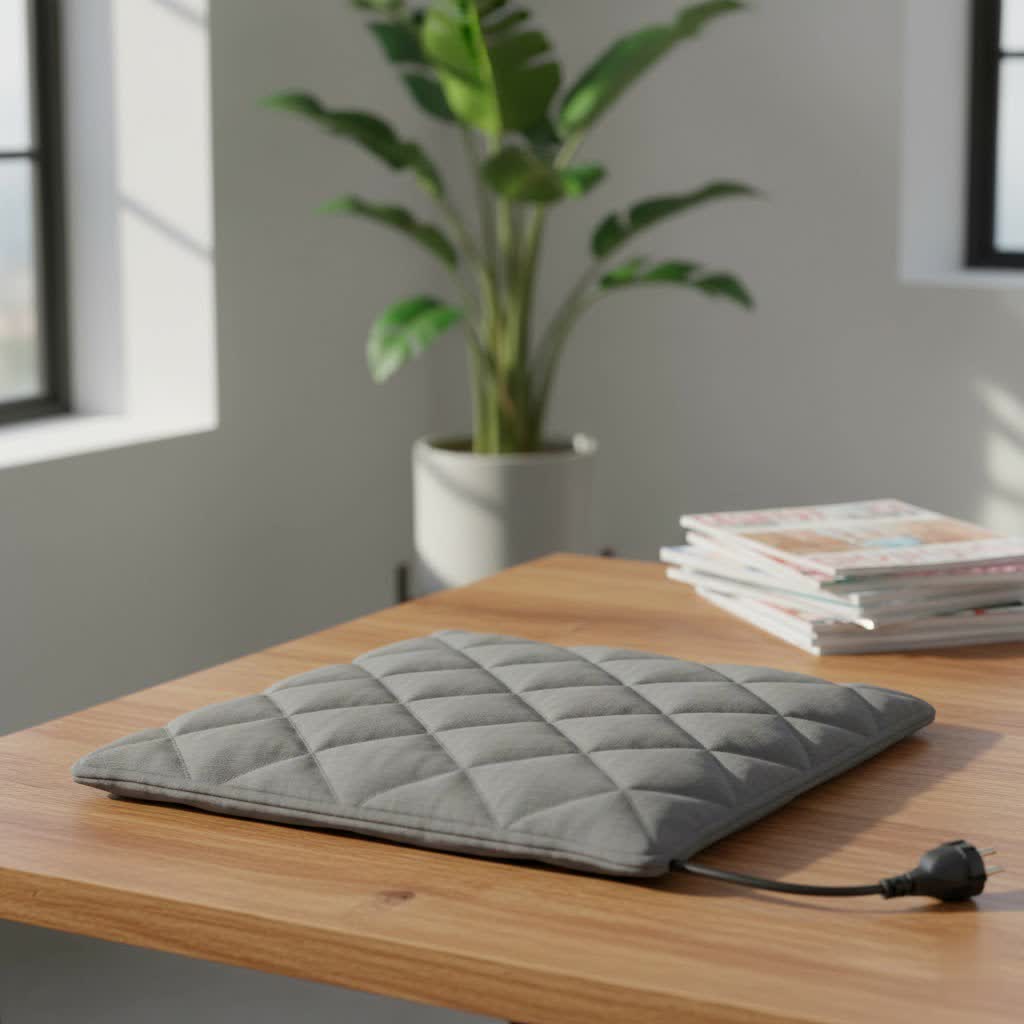
Tension headaches can be a real burden, often stemming from the tight, knotted muscles in your neck and shoulders that refuse to let go. This common ailment can disrupt your day, making even simple tasks feel overwhelming. While various remedies exist, a heating pad stands out as a remarkably effective, comforting, and accessible solution for easing the grip of a tension headache. It’s a simple tool that offers profound relief, melting away stiffness and inviting a sense of calm when you need it most.
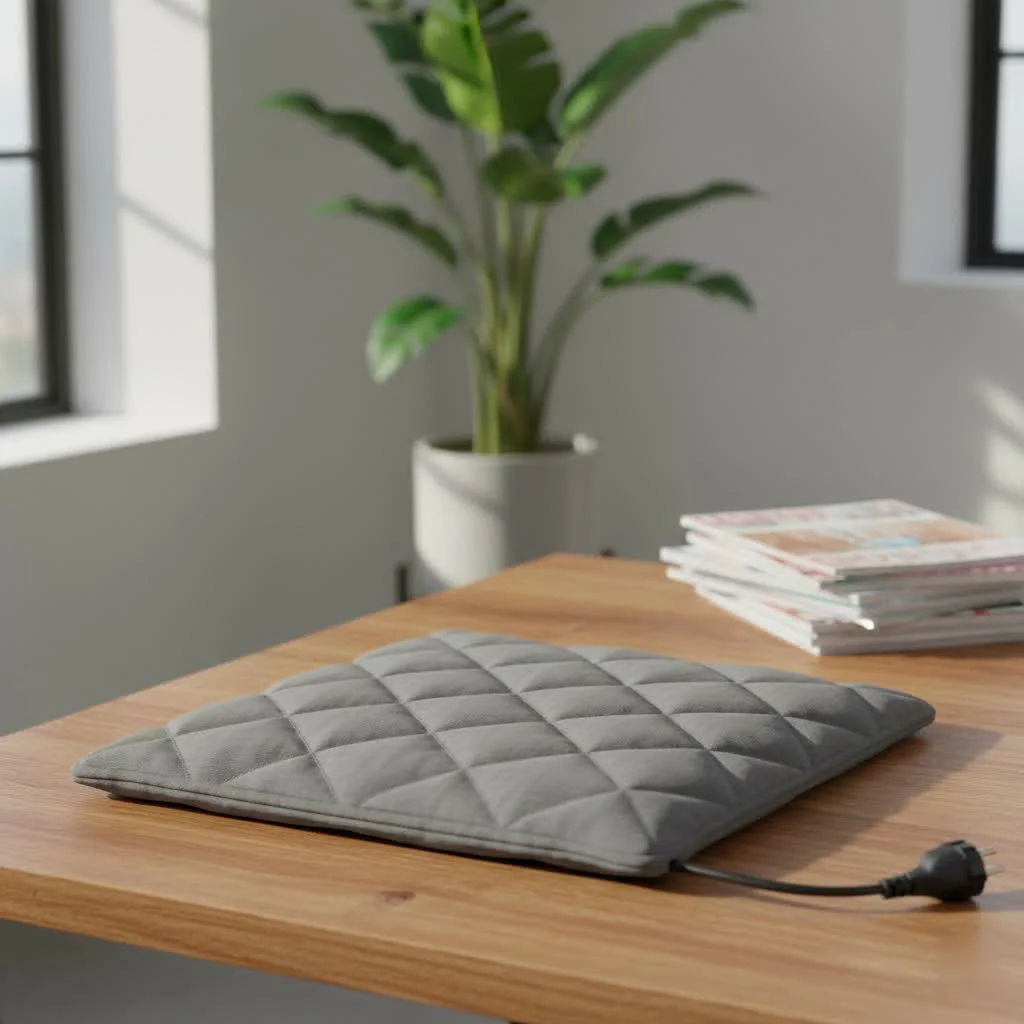
What is a Heating Pad and How Does It Work?
A heating pad is a soft, often electric device designed to deliver warmth to specific areas of the body. Beyond electric models, you’ll also find microwaveable pads filled with grains or herbs, and even single-use chemical heat patches. The core principle behind all these devices is thermotherapy, or heat therapy, which leverages the therapeutic benefits of warmth to alleviate pain and discomfort.
When applied to a tense area, the heat penetrates deep into the muscle tissues. This warmth causes blood vessels to dilate, leading to increased blood flow to the affected region. Enhanced circulation not only brings fresh, oxygenated blood and nutrients to the muscles but also helps in flushing out metabolic waste products that can accumulate and contribute to pain. Simultaneously, the warmth encourages muscle fibers to relax, easing spasms and tightness, which are primary culprits behind tension headaches.
Benefits of Using a Heating Pad for Tension Headaches
Using a heating pad offers a multitude of benefits specifically tailored to combating the unique discomfort of tension headaches. The gentle warmth can be a game-changer for those suffering from the relentless pressure and aching associated with this common headache type.
- Reduces Muscle Tension: The primary cause of tension headaches is often muscle tightness in the neck, shoulders, and scalp. Heat therapy directly targets these constricted muscles, promoting relaxation and allowing them to loosen.
- Improves Blood Circulation: As blood vessels expand with warmth, blood flow to the head and neck increases. This improved circulation helps deliver oxygen and nutrients to stressed tissues and removes pain-causing metabolic byproducts.
- Alleviates Pain and Stiffness: By relaxing tight muscles and enhancing blood flow, heating pads effectively reduce the throbbing and aching sensations that characterize tension headaches, offering significant pain relief.
- Promotes Relaxation and Stress Reduction: The soothing warmth can have a calming effect on the nervous system, helping to reduce overall stress and anxiety. Since stress is a major trigger for tension headaches, this can be a powerful preventive and relief measure.
- Provides Distraction from Pain: The comforting sensation of heat can act as a natural distraction, shifting your focus away from the headache pain itself, making the experience more manageable.
It’s important to note that while heating pads are excellent for tension headaches, migraines often respond better to cold therapy due to their vascular nature. However, for some migraine sufferers, heat can still be beneficial for relaxing accompanying muscle tension.
Popular Types of Heating Pads for Headache Relief
The market offers various types of heating pads, each with unique features suitable for different preferences and needs when tackling a tension headache. Understanding these options can help you choose the best tool for your relief.
- Electric Heating Pads: These are the most common type, offering consistent and adjustable heat levels. Many come with automatic shut-off features for safety and can provide both dry and moist heat. They are excellent for prolonged relief at home but require a power outlet.
- Microwaveable Heating Pads: Often filled with natural materials like rice, flaxseed, or cherry pits, these pads are heated in a microwave. They offer cordless convenience and can be infused with aromatic herbs (like lavender) for added relaxation. Their heat gradually diminishes, and they need reheating.
- Chemical Heating Pads (Disposable): These are single-use, air-activated patches that generate heat through a chemical reaction. They are lightweight, portable, and ideal for on-the-go relief or travel, though they offer less control over temperature.
- Infrared Heating Pads: Utilizing far-infrared rays, these pads claim to penetrate deeper into tissues than conventional heat, potentially offering more profound relief. They are often more expensive but can be highly effective.
When selecting a type for headache relief, consider pads that are flexible enough to conform to the contours of your neck, shoulders, or even your forehead, providing targeted warmth where it’s needed most.
Top Heating Pad Brands for Tension Headaches
While specific product models evolve, several brands consistently receive praise for producing high-quality, effective heating pads suitable for tension headache relief. Look for brands known for their durability, safety features, and user comfort. Reputable brands typically offer:
- Adjustable Heat Settings: Allowing you to customize the warmth to your comfort level and the severity of your headache.
- Auto-Shutoff Functionality: A crucial safety feature that prevents overheating and potential burns, especially if you drift off to sleep.
- Soft, Washable Fabric Covers: For hygiene and a pleasant feel against the skin.
- Flexible and Contoured Designs: Pads that can wrap around the neck or shoulders effectively provide more targeted and efficient relief.
- Moist Heat Option: Many users find moist heat more penetrating and soothing for muscle pain.
Brands like Sunbeam, Pure Enrichment, and ThermaCare (for disposable patches) are often cited for their reliable and user-friendly heating pad solutions. These brands focus on meeting rigorous safety standards and incorporating features that enhance user experience and therapeutic efficacy.
Detailed Comparison Table of Best Heating Pads
Choosing the right heating pad can depend on your specific needs, from portability to advanced features. Here’s a conceptual comparison to guide your decision:
| Product Type | Brand Focus | Type | Size/Shape | Key Features | Price Range | User Rating |
|---|---|---|---|---|---|---|
| Electric Neck & Shoulder Wrap | High-Quality Home | Electric | Contoured for upper body | Auto-shutoff, multiple heat settings, moist heat option, weighted edges | Mid-range | Very High |
| Microwaveable Herb Pack | Natural/Wellness | Microwaveable | Flexible, various sizes | Cordless, aromatherapy, portable, soft fabric | Entry-level | High |
| Flexible Electric Pad | Versatile Comfort | Electric | Large, rectangular | Digital controller, fast heating, machine washable cover | Mid-range | High |
| Disposable Heat Patches | On-the-Go Relief | Chemical | Small, adhesive | Ultra-portable, air-activated, discreet, up to 8 hrs heat | Entry-level | Medium |
| Infrared Neck Wrap | Advanced Therapy | Infrared | Contoured, specific for neck | Deep penetrating heat, low EMF, precise temperature control | Premium | Very High |
How to Choose the Right Heating Pad for Your Needs
Selecting the perfect heating pad for your tension headaches involves considering several factors to ensure you get the most effective and comfortable relief.
- Identify Your Primary Need: Are you looking for quick relief on the go, or a relaxing experience at home? Do you prefer consistent electric heat or the natural feel of a microwaveable pad?
- Target Area: Most tension headaches involve the neck and shoulders. Look for pads specifically designed to contour these areas, such as U-shaped wraps or larger rectangular pads. For temple or jaw pain, a smaller, more flexible pad might be better.
- Heat Settings & Control: Adjustable temperature settings are crucial. Look for pads with at least three heat levels to customize your experience. Digital controllers offer more precise control and ease of use.
- Safety Features: An automatic shut-off feature is non-negotiable, preventing overheating and ensuring safety, especially if you tend to fall asleep during use. Overheating protection and UL certification are also important indicators of a safe product.
- Moist Heat Option: Many find moist heat (achieved by dampening the pad or using a spray bottle) more effective for penetrating muscle tissue and providing deeper relief than dry heat.
- Material and Comfort: A soft, plush, and breathable fabric cover enhances comfort. Ensure the cover is removable and machine washable for hygiene.
- Portability and Power: If you travel or need relief outside your home, a cordless microwaveable pad or disposable patch might be ideal. For continuous use at home, an electric pad is most convenient.
- Budget: Heating pads come in a wide price range. Determine what features are essential for you and find a pad that fits within your budget without compromising on safety or effectiveness.
Safe and Effective Use & Care of Your Heating Pad
To maximize the benefits and ensure the longevity and safety of your heating pad, proper usage and care are essential.
- Read the Manual: Always begin by thoroughly reading the manufacturer’s instructions for your specific heating pad. This will provide crucial details on operation, safety, and maintenance unique to your device.
- Adjust Temperature Appropriately: Start with a low heat setting and gradually increase it until you find a comfortable, soothing warmth. Avoid using the highest setting directly on your skin, as excessive heat can cause burns.
- Strategic Placement: For tension headaches, apply the heating pad to the back of your neck and shoulders, where muscle tightness often originates. For pain around the temples or jaw, a smaller, more flexible pad can be applied for shorter durations.
- Mind the Duration: Generally, apply heat for 15-20 minutes at a time. For more sensitive areas like the jaw or temples, limit application to 5-10 minutes. Take a break before reapplying to prevent skin irritation or burns.
- Never Sleep with It: Do not use a heating pad while sleeping or for extended periods unsupervised, even if it has an auto-shutoff. This is vital to prevent burns.
- Protect Your Skin: Always place a thin layer of clothing or a towel between the heating pad and your bare skin, especially on higher settings, to prevent direct heat exposure.
- Inspect Regularly: Before each use, check the pad and cord for any signs of damage, fraying, or wear. Discontinue use immediately if any damage is found.
- Clean and Store Properly: If your heating pad has a washable cover, clean it according to the instructions. Store the pad flat or loosely rolled in a dry, safe place away from sharp objects to prevent damage.
“Many patients find that a consistent routine of heat therapy, alongside gentle stretching, can significantly reduce the frequency and intensity of their tension headaches, providing a non-pharmacological path to comfort.” – Dr. Alistair Finch, Pain Management Specialist
Conclusion
Tension headaches, while common, don’t have to dictate your comfort or disrupt your life. A heating pad stands as a simple yet powerful ally in your quest for relief, effectively targeting the muscle tightness and improved circulation needed to ease that throbbing pressure. By understanding how these devices work, choosing the right type, and using them safely, you can harness the therapeutic power of heat to melt away stress and reclaim your peace. Isn’t it time to discover the soothing comfort a heating pad can bring to your day?
Frequently Asked Questions
Can a heating pad make my tension headache worse?
|
Our Picks for the Best Heating Pad in 2026
As an Amazon Associate I earn from qualifying purchases.
|
||
| Num | Product | Action |
|---|---|---|
| 1 | GENIANI Electric Heating Pad for Back Pain & Cramps Relief, Electric Throw, Auto Shut Off, Machine Washable, Moist Heat Pad for Neck & Shoulder - Valentines Day Gifts for Her Him, Extra Large 24x12 |

|
| 2 | Electric Heating pad for Back Neck Shoulder Knee Arms Legs- Electric Heat Pads with 6 Heat Settings & Auto Shut Off &Dry/Moist Heat Heating Pad for Birthday Mother Father Girl Men Women |
|
| 3 | Heating Pad for Back, Neck, Shoulder Pain Relief - 12"x24" Heat Pads, Auto-Off, Machine Washable, Moist/Dry Heat Options - Valentine's Day & Christmas Gifts for Her, Him, Mom Dad, Women, Men |
|
| 4 | Heating Pad for Period Cramps, Heating Pad for Back/Neck/Shoulder Muscle Pain, 6 Heating&4 Timer Setting, Auto Shut Off, Dry/Moist Heat & Machine Washable, Gray Birthday Christmas Gifts for Women Mom |
|
| 5 | GENIANI Electric Heating Pad for Back Pain & Cramps Relief, Electric Throw, Auto Shut Off, Machine Washable, Moist Heat Pad for Neck & Shoulder - Valentines Day Gifts for Her (12×24", Tabby Gray) |
|
| 6 | VAAGHANM Heating Pad: 33 x 17 inches Electric Heating Pad for Back -Extra Large Heat Pad for Shoulder/Neck/Knee/Arms - Upgraded 6 Timer & 6 Temperature Controller -Auto Shut Off |
|
| 7 | Heating Pad for Back, Neck, and Shoulder Pain Relief, Electric Heat Pad with 6 Heat Levels, Moist Heat Option, Auto Shut-Off, Birthday Christmas Gifts for Women Men Mom Dad Grandma, Gifts for her |
|
| 8 | Cordless Heating Pad for Back, Back Heating Pad Rechargeable Heated Waist Belt Wrap with Built-in Warming Layer 5 Heat Options & 3 Auto Timer |
|
| 9 | Sunbeam XL Heating Pad for Back Neck and Shoulder Pain Relief with Sponge for Moist Heating Option Extra Large 12 x 24" Blue |
|
| 10 | Heating Pad for Back Pain Cramps Relief - Electric Heating Pad for Neck/Shoulder/Muscle Pain - 6 Heat Settings, Auto Off, Moist Heat Options, Machine Washable, Christmas Gifts for Women Mom Wife - XL |
|
No, when used correctly, a heating pad is unlikely to worsen a tension headache. In fact, it typically provides relief by relaxing tense muscles and improving blood flow. Ensure you use a moderate temperature and follow safety guidelines to prevent discomfort.
Where exactly should I place a heating pad for a tension headache?
For optimal relief, place the heating pad on the back of your neck and across your shoulders. This targets the areas where muscle tension often originates and contributes to tension headaches. For localized pain, you might also apply it gently to your temples or jaw for short periods.
How long should I use a heating pad for tension headache relief?
Generally, apply the heating pad for 15 to 20 minutes. For more sensitive areas, such as the jawline or temples, a shorter duration of 5 to 10 minutes is often recommended. Always allow your skin a break before reapplying heat.
Can I use a heating pad for migraines as well as tension headaches?
While heating pads are primarily beneficial for tension headaches, some people find the warmth soothing for migraines by relaxing accompanying muscle tension. However, many migraine sufferers find cold therapy more effective for the vascular aspects of migraine pain.
What is the difference between dry heat and moist heat for headache relief?
Dry heat is delivered by standard electric heating pads. Moist heat, achieved by dampening the pad or using a moist heat setting, is often preferred for muscle pain as it can penetrate deeper into tissues and feel more comforting, especially for stiff necks and shoulders.
Get our weekly buyer guide
Practical specs, not advice. Unsubscribe anytime.
