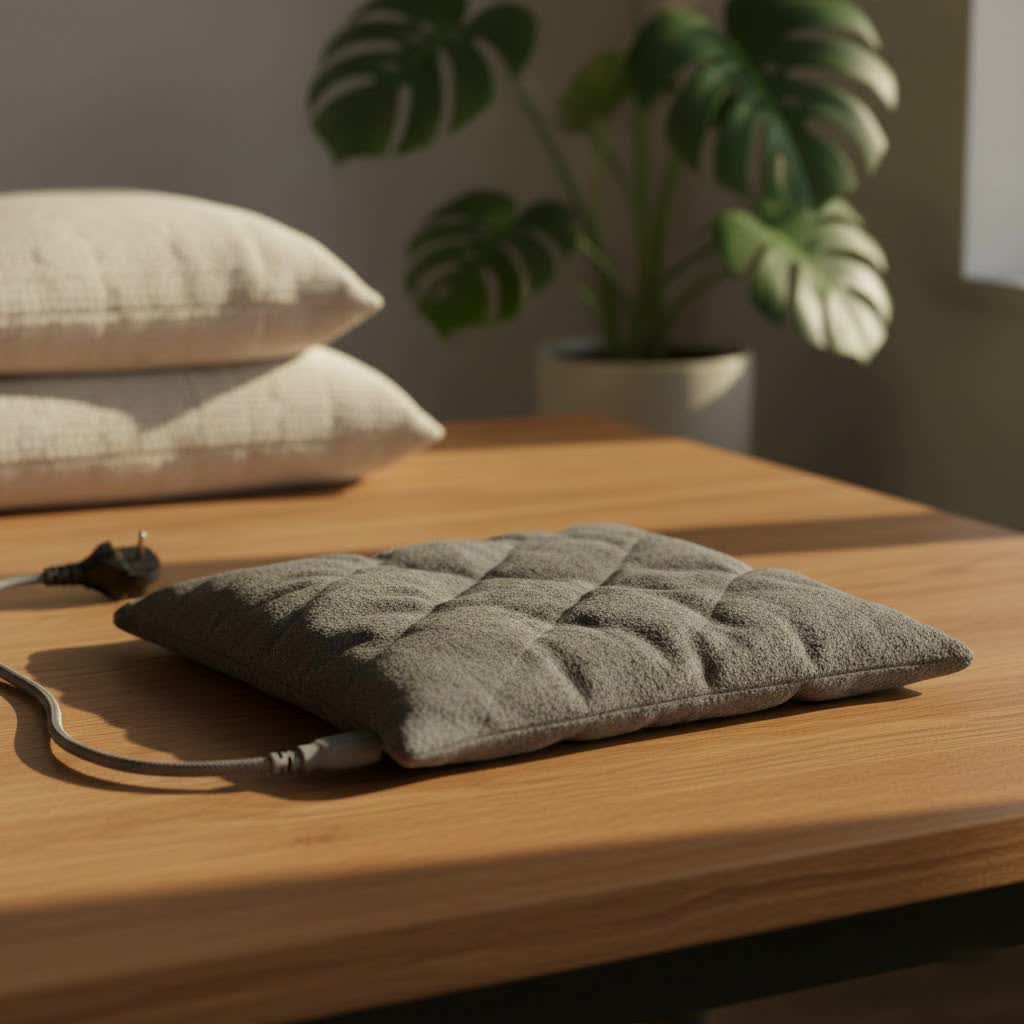
Persistent lower back pain can turn everyday tasks into formidable challenges, affecting everything from sitting comfortably to getting a good night’s sleep. If you’ve ever found yourself searching for a simple, non-invasive solution to ease that nagging ache, a lower back heating pad might be the answer you’ve been looking for. More than just a warm compress, these targeted devices offer soothing relief by leveraging the power of heat therapy directly where you need it most. This comprehensive guide will explore how lower back heating pads work, their myriad benefits, the different types available, top brands, and essential tips for safe and effective use, helping you reclaim comfort and mobility.
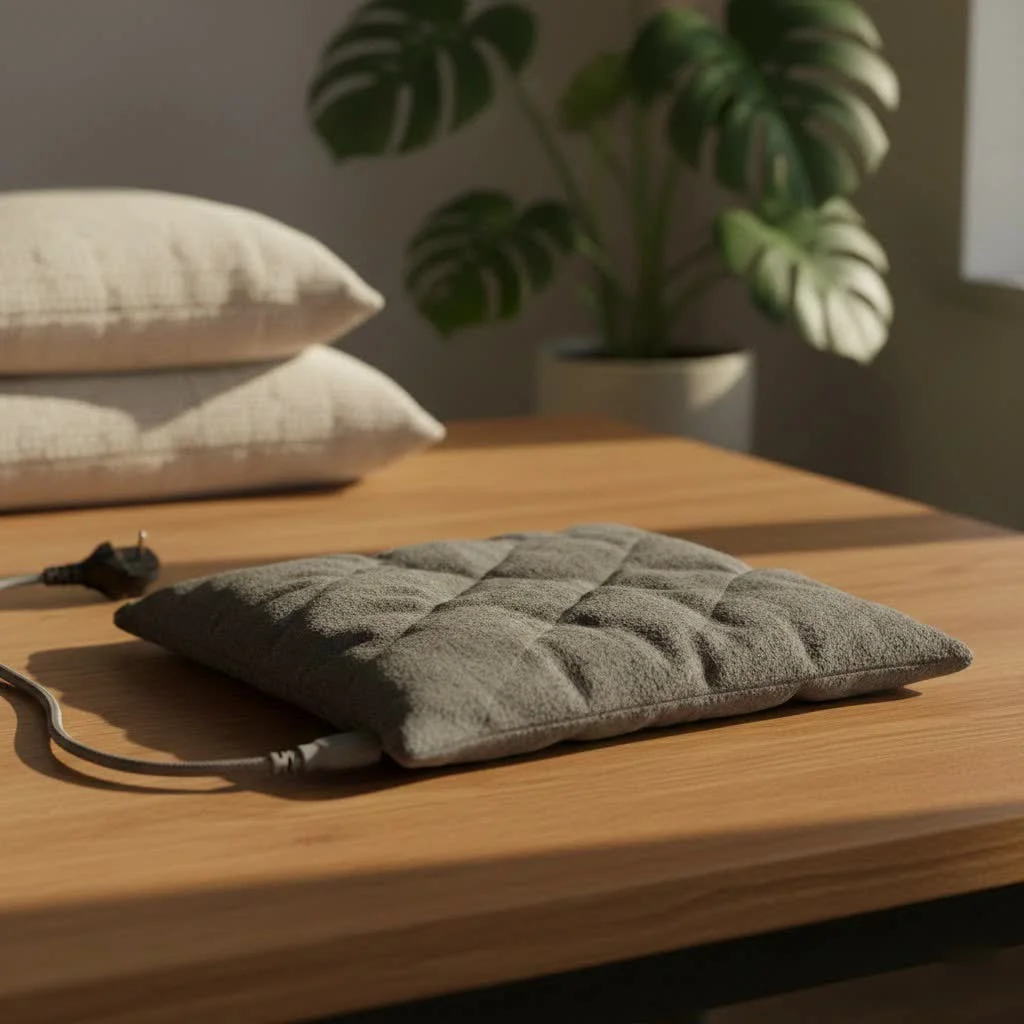
What is a Lower Back Heating Pad and How Does It Work?
A lower back heating pad is a specialized device designed to deliver therapeutic heat directly to the lumbar region, the common site of discomfort for millions. Unlike general heating pads, many lower back models are specifically shaped or equipped with straps to conform to the natural curve of your spine, ensuring optimal contact and targeted relief.
The principle behind heat therapy for back pain is rooted in physiology. When warmth is applied to the affected area, several beneficial processes occur:
- Increased Blood Flow: Heat causes blood vessels to dilate, improving circulation to the lower back. This surge of blood brings vital oxygen and nutrients to damaged tissues, aiding in their repair and recovery.
- Muscle Relaxation: Warmth helps to loosen tight, spasming muscles, reducing stiffness and allowing for greater flexibility and range of motion. This relaxation can break the cycle of pain caused by tense muscles.
- Nerve Soothing: Heat stimulates the sensory receptors in your skin, which can interfere with the transmission of pain signals to the brain. This can reduce the perceived intensity of pain, offering a much-needed sense of calm.
By promoting these physiological responses, a lower back heating pad doesn’t just mask the pain; it actively supports the body’s natural healing mechanisms, providing both immediate comfort and long-term relief for chronic or lingering back pain.
Benefits of Using a Lower Back Heating Pad
Integrating a lower back heating pad into your routine can offer a wealth of advantages beyond simple comfort. Here are the primary benefits:
- Reduces Muscle Pain and Stiffness: The most immediate and appreciated benefit, heat therapy excels at relaxing tense muscles, which are often the culprits behind lower back pain and stiffness. This makes movement easier and less painful.
- Improves Blood Circulation: As mentioned, increased blood flow delivers more oxygen and nutrients to the sore muscles and tissues in the lower back, facilitating faster healing and recovery from strains or overuse.
- Promotes Relaxation and Reduces Stress: The gentle warmth of a heating pad has a naturally soothing effect. Physical discomfort often triggers emotional stress, and the comforting sensation of heat can help calm the body’s stress response, promoting overall relaxation and mental well-being.
- Aids in Recovery from Various Conditions: Lower back heating pads are highly effective for managing conditions such as:
- Muscle Strains and Spasms: Easing the tightness and cramping.
- Chronic Lower Back Pain: Providing consistent, drug-free pain management.
- Poor Posture-Related Aches: Loosening muscles stiffened by prolonged sitting or incorrect posture.
- Sciatica (mild cases): Helping to relax muscles that may be compressing the sciatic nerve, though medical consultation is advised for severe cases.
It’s important to note that heat therapy is generally best for chronic pain, muscle soreness, and stiffness, rather than acute injuries, inflammation, or swelling, where cold therapy might be more appropriate.
Popular Types of Lower Back Heating Pads on the Market
|
Our Picks for the Best Heating Pad in 2026
As an Amazon Associate I earn from qualifying purchases.
|
||
| Num | Product | Action |
|---|---|---|
| 1 | GENIANI Electric Heating Pad for Back Pain & Cramps Relief, Electric Throw, Auto Shut Off, Machine Washable, Moist Heat Pad for Neck & Shoulder - Valentines Day Gifts for Her Him, Extra Large 24x12 |

|
| 2 | GENIANI Electric Heating Pad for Back Pain & Cramps Relief, Electric Throw, Auto Shut Off, Machine Washable, Moist Heat Pad for Neck & Shoulder - Valentines Day Gifts for Her (12×24", Tabby Gray) |
|
| 3 | VAAGHANM Heating Pad: 33 x 17 inches Electric Heating Pad for Back -Extra Large Heat Pad for Shoulder/Neck/Knee/Arms - Upgraded 6 Timer & 6 Temperature Controller -Auto Shut Off |
|
| 4 | Heating Pad for Back, Neck, and Shoulder Pain Relief, Electric Heat Pad with 6 Heat Levels, Moist Heat Option, Auto Shut-Off, Birthday Christmas Gifts for Women Men Mom Dad Grandma, Gifts for her |
|
| 5 | Electric Heating pad for Back Neck Shoulder Knee Arms Legs- Electric Heat Pads with 6 Heat Settings & Auto Shut Off &Dry/Moist Heat Heating Pad for Birthday Mother Father Girl Men Women |
|
| 6 | Sunbeam XL Heating Pad for Back Neck and Shoulder Pain Relief with Sponge for Moist Heating Option Extra Large 12 x 24" Blue |
|
| 7 | Heating Pad for Back, Neck, Shoulder Pain Relief - 12"x24" Heat Pads, Auto-Off, Machine Washable, Moist/Dry Heat Options - Valentine's Day & Christmas Gifts for Her, Him, Mom Dad, Women, Men |
|
| 8 | Cordless Heating Pad for Back, Back Heating Pad Rechargeable Heated Waist Belt Wrap with Built-in Warming Layer 5 Heat Options & 3 Auto Timer |
|
| 9 | Heating Pad for Period Cramps, Heating Pad for Back/Neck/Shoulder Muscle Pain, 6 Heating&4 Timer Setting, Auto Shut Off, Dry/Moist Heat & Machine Washable, Gray Birthday Christmas Gifts for Women Mom |
|
| 10 | Heating Pad for Back Pain Cramps Relief - Electric Heating Pad for Neck/Shoulder/Muscle Pain - 6 Heat Settings, Auto Off, Moist Heat Options, Machine Washable, Christmas Gifts for Women Mom Wife - XL |
|
The market offers a diverse range of heating pads, each with unique features catering to different needs for lower back relief. Understanding the main types can help you choose the best fit:
-
Electric Heating Pads:
- Description: These are the most common type, plugging into a wall outlet. They feature internal heating elements and controllers for adjusting temperature.
- Features: Often come with multiple heat settings, automatic shut-off timers for safety, and moist heat options (by dampening the pad or using a moist insert). Many are large or designed as wraps/belts with adjustable straps to fit the lower back snugly.
- Pros: Consistent, adjustable heat; long-lasting; various sizes and shapes.
- Cons: Require proximity to an electrical outlet, potential for burns if used improperly or without auto-off.
-
Microwavable/Herbal Heating Pads:
- Description: Filled with natural materials like flaxseed, rice, or various herbs, these pads are heated in a microwave.
- Features: Cordless and portable, often conform well to the body, and can sometimes be frozen for cold therapy. The herbal fillings may offer aromatherapy benefits.
- Pros: Cordless convenience, natural materials, flexible, can be used hot or cold.
- Cons: Heat retention is limited (typically 15-30 minutes), requires re-heating, precise microwaving times needed to avoid burning the contents.
-
Infrared Heating Pads:
- Description: These pads use far-infrared (FIR) technology to emit heat that penetrates deeper into muscle tissue compared to traditional electric pads.
- Features: Often incorporate natural stones like jade or tourmaline to enhance FIR emission. Typically have precise temperature controls.
- Pros: Deeper heat penetration for more profound relief, beneficial for moderate to severe pain.
- Cons: Generally more expensive, can take longer to heat up, may be less flexible than standard pads.
-
Wearable Heat Wraps (Chemical/Disposable):
- Description: These are single-use, air-activated patches or wraps that adhere to clothing or strap around the body.
- Features: Provide continuous, low-level heat for several hours (often up to 8 hours). Designed for discreet, on-the-go relief.
- Pros: Extremely portable, hands-free, discreet, ideal for travel or outdoor activities.
- Cons: Single-use, less intense heat, not adjustable, can be more costly over time.
Each type offers distinct advantages, allowing you to select a heating pad that aligns with your lifestyle, pain management needs, and desired level of convenience.
Leading Brands and Top Models for Lower Back Relief
When it comes to choosing a lower back heating pad, several brands consistently receive high praise for their quality, effectiveness, and innovative features. Here’s a look at some of the leaders:
- Sunbeam: A household name in heating pads, Sunbeam offers a wide range of products. The Sunbeam XpressHeat Heating Pad is a popular choice for its rapid heat-up time and multiple heat settings. For targeted lower back relief, the Sunbeam Carbon Heat Thermabelt Heating Pad is a standout, featuring an adjustable belt that wraps snugly around the back for hands-free use. Many Sunbeam pads also come with auto-shutoff for safety and are machine washable.
- Pure Enrichment: Known for their comfortable and effective products, Pure Enrichment offers excellent options. The Pure Enrichment PureRelief XL Electric Heating Pad is praised for its large size, which can comfortably cover the entire lower back, and its six heat settings. They also offer the PureRelief Lumbar & Abdominal Heating Pad which is contoured specifically for these areas, often including a hot/cold gel pack for versatile therapy.
- Mighty Bliss: This brand is often highlighted for its powerful and fast-acting heating pads. The Mighty Bliss Large Electric Heating Pad is a top-rated product for back pain, featuring quick heating and a durable, machine-washable microplush fabric. It often comes with a lifetime warranty, emphasizing its reliability.
- Comfier: For those seeking more than just heat, Comfier heating pads often integrate massage features. The Comfier Heating Pad with Massage offers customizable heat levels combined with vibrating massage, providing a dual-action approach to muscle relaxation and pain relief across the lower back, neck, and shoulders.
- Thermaphore: Often recommended by healthcare professionals, the Thermaphore Classic Heat Pack is known for delivering intense, moist heat that penetrates deeply. While not always specifically shaped for the lower back, its large size and effective moist heat technology make it a powerful option for targeted relief.
These brands consistently deliver products with essential features like adjustable heat, safety auto-off, and comfortable, durable materials, making them reliable choices for managing lower back pain.
Detailed Comparison of Top Lower Back Heating Pads
To help you make an informed decision, here’s a comparison of some highly-rated lower back heating pads, focusing on features crucial for targeted relief:
| Product Name | Brand | Type | Key Features | Price Range (USD) | User Rating (out of 5) |
|---|---|---|---|---|---|
| PureRelief XL Electric Heating Pad | Pure Enrichment | Electric | 12″x24″, 6 heat settings, 2-hour auto-off, machine-washable microplush | $30 – $55 | 4.5 |
| XpressHeat Heating Pad, Extra Large | Sunbeam | Electric | 12″x24″, 6 heat settings, 30-second heat-up, auto-off/stay-on, moist heat option | $25 – $45 | 4.4 |
| Mighty Bliss Large Electric Heating Pad | Mighty Bliss | Electric | Large size, fast heat, 3 heat settings, auto-protection, machine-washable, lifetime warranty | $25 – $40 | 4.6 |
| Carbon Heat Thermabelt Heating Pad | Sunbeam | Electric/Wrap | 21″x12″, adjustable strap, 4 heat settings, 2-hour auto-off, hand pockets | $45 – $60 | 4.3 |
| Heating Pad with Massage | Comfier | Electric/Wrap | Heat + 4 massage motors, 3 massage modes, 2 intensity levels, auto-off, adjustable strap | $40 – $70 | 4.4 |
| Classic Heat Pack | Thermaphore | Moist Heat | Professional-grade, unique moisture-activated deep heat, no specific auto-off | $80 – $120 | 4.7 |
Note: Prices and specific features can vary based on retailer and model year.
How to Choose the Right Lower Back Heating Pad (Buying Guide)
Selecting the ideal lower back heating pad involves considering your specific pain, lifestyle, and desired features. Here’s a comprehensive buying guide:
-
Identify Your Needs:
- Pain Type: Is your pain chronic muscle stiffness, occasional soreness, or something more severe? This impacts the type of heat and features you’ll need.
- Usage Frequency: Daily relief or occasional use?
- Portability: Do you need to use it at home, office, or while traveling? Cordless options offer more freedom.
-
Size and Fit:
- For the lower back, a pad that is at least 12×24 inches is generally recommended to cover the entire area.
- Consider contoured designs or wrap-around belts with adjustable straps (like those from Sunbeam or Comfier) that can be worn hands-free and conform to your lumbar curve for consistent contact.
-
Heat Settings and Type:
- Adjustable Temperature: Look for multiple heat settings (at least 3-6) to customize the intensity of therapy.
- Moist vs. Dry Heat: Moist heat often penetrates deeper and feels more soothing, especially for dry skin or in dry climates. Many electric pads offer a moist heat option. Dry heat is convenient and often heats up faster.
- Infrared: If you experience moderate to severe pain and desire deeper tissue penetration, consider an infrared heating pad.
-
Safety Features are Paramount:
- Automatic Shut-Off: This is a non-negotiable safety feature, especially if there’s a chance you might fall asleep while using the pad. Most quality electric pads have a 2-hour auto-off.
- Overheat Protection: Ensures the device doesn’t reach dangerously high temperatures.
- Reliable Controller: Easy-to-read and operate controls, particularly for those with limited dexterity.
-
Material and Durability:
- Soft Fabric: Microplush, flannel, or other soft materials enhance comfort.
- Machine Washable Cover: A removable, washable cover is essential for hygiene and extending the life of your pad.
- Cord Length: An extra-long cord (e.g., 9 feet) offers flexibility in where you can use the pad.
-
Budget: Heating pads range widely in price. Determine your budget, but prioritize safety features and effective pain relief over simply the lowest cost. A slightly higher investment often translates to better quality and durability.
By carefully evaluating these factors, you can confidently select a lower back heating pad that provides effective, safe, and comfortable relief for your specific needs.
Safe and Effective Use & Maintenance of Your Lower Back Heating Pad
To maximize the benefits and ensure safety when using your lower back heating pad, follow these guidelines:
- Read the User Manual: Always begin by thoroughly reading the manufacturer’s instructions for your specific heating pad.
- Proper Placement and Duration:
- Apply the heating pad directly to your lower back or lumbar region.
- Always use a barrier: Place a thin layer of clothing or a towel between the heating pad and your bare skin to prevent burns, especially when using higher settings.
- Start with the lowest heat setting and gradually increase until you find a comfortable, soothing temperature. Heat should feel warm and relaxing, not hot or burning.
- For intense heat, use for 15-30 minutes at a time. For lower, more gentle heat, you can extend usage up to an hour. Take breaks between sessions.
- Crucial Safety Warnings:
- DO NOT fall asleep with a heating pad turned on unless it has a confirmed automatic shut-off feature. Even then, it’s generally best to be awake and aware during use.
- Avoid using on damaged skin: Never apply a heating pad to swollen, bruised, broken, irritated skin, or open wounds.
- No heat on acute injuries: For new injuries, swelling, or inflammation, cold therapy is usually more appropriate initially. Consult a professional.
- Do not combine with pain creams/ointments: Certain topical medications can react with heat and cause skin irritation or burns.
- Consult a doctor if: You are pregnant, have diabetes, poor circulation, nerve damage, or any underlying medical conditions that might affect heat sensitivity.
- Inspect the cord and pad: Before each use, check for any frayed wires, cracks, or damage to the pad itself. Discontinue use if damaged.
- Cleaning and Storage:
- If your heating pad has a removable, machine-washable cover, follow the cleaning instructions provided.
- For pads without washable covers, wipe them down with a damp cloth and mild soap (unplugged, of course) and ensure they are completely dry before storage.
- Store your heating pad in a cool, dry place, ideally in its original packaging or a protective bag, to prevent damage. Avoid folding it tightly or placing heavy objects on top of it.
Adhering to these usage and maintenance tips will ensure you get the most effective and safest possible relief from your lower back heating pad.
Conclusion
Lower back pain, while common, doesn’t have to dictate your life. A lower back heating pad offers a safe, accessible, and highly effective way to alleviate discomfort, relax tense muscles, and promote healing. By understanding how these devices work, recognizing the diverse types available, considering reputable brands, and most importantly, adhering to safe usage practices, you can make an informed choice that brings profound relief. The right heating pad can become an invaluable tool in your self-care arsenal, helping you manage pain and embrace a more comfortable, active lifestyle.
Are you ready to experience the soothing warmth and relief a quality lower back heating pad can provide?
Get our weekly buyer guide
Practical specs, not advice. Unsubscribe anytime.

I’ve struggled with lower back pain for years, especially after long days at my desk. This guide really helped me understand the different types of heating pads. I ended up getting one with a moist heat option, and it’s been a game-changer. The relief is almost immediate, and it helps me relax before bed.
I appreciate the breakdown of top brands. I was leaning towards a cheaper option, but after reading about the benefits of higher-quality materials and safety features, I invested in a more reputable brand. It heats up quickly and provides consistent warmth, which is exactly what I needed for my chronic stiffness. Definitely worth the extra cost.
This guide was exactly what I needed! I’ve been dealing with a nagging ache in my lower back from an old sports injury. The explanation of targeted heat delivery made so much sense. I picked up a pad with an auto-shutoff feature, which gives me peace of mind, and it’s been fantastic for easing the pain after a workout.
The information on how heat therapy works was really useful. I bought a heating pad based on the recommendations, and while it does help with my muscle aches, I find the cord a bit too short. It limits where I can comfortably use it, which is a minor inconvenience when I’m trying to relax on the couch.