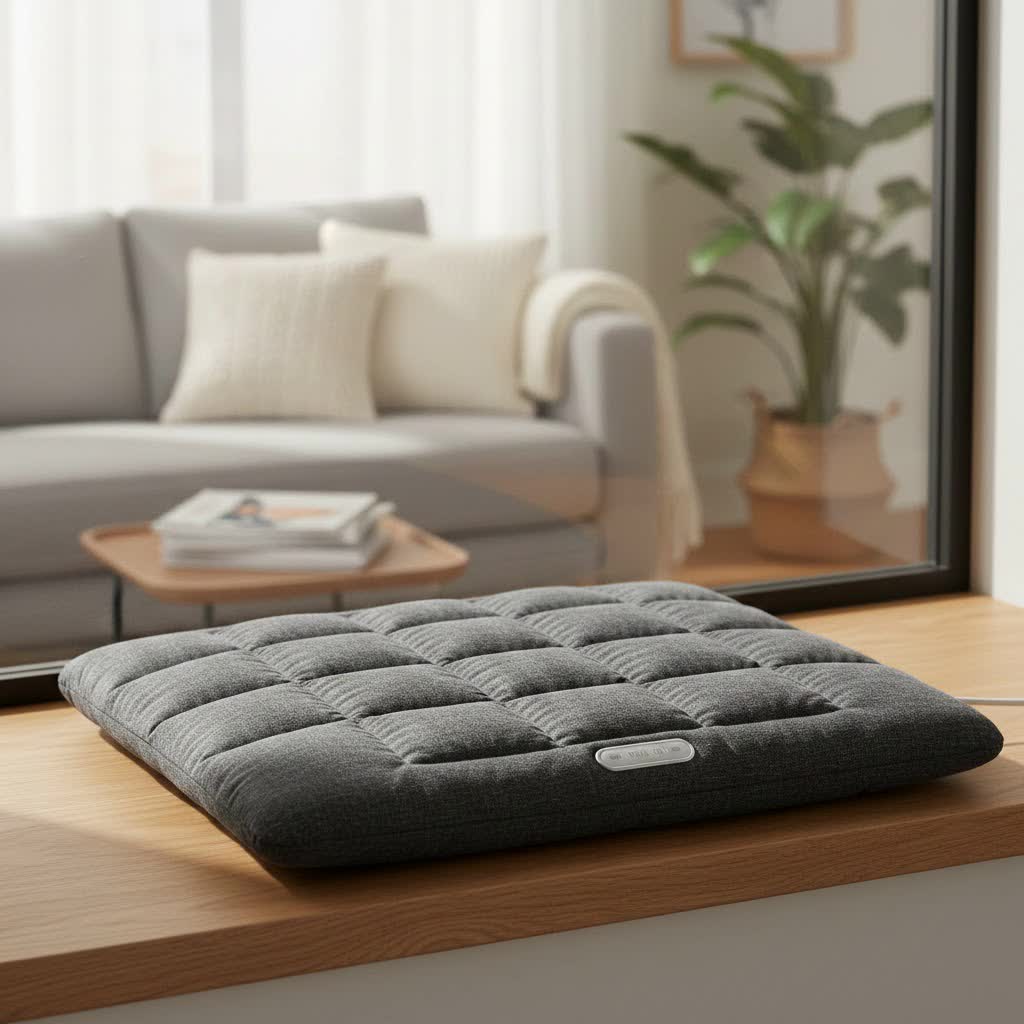
Rice bag heating pads offer an eco-friendly and deeply comforting way to soothe your body and calm your mind, providing natural heat relief for muscle aches, joint stiffness, and stress. These versatile pads, typically filled with uncooked rice, deliver moist heat that penetrates tissues effectively, and can also be chilled for cold therapy. They are a reusable, cost-effective, and portable alternative to electric or chemical heat packs, making them a valuable addition to any self-care routine.
What is a Rice Bag Heating Pad and How Does It Work?
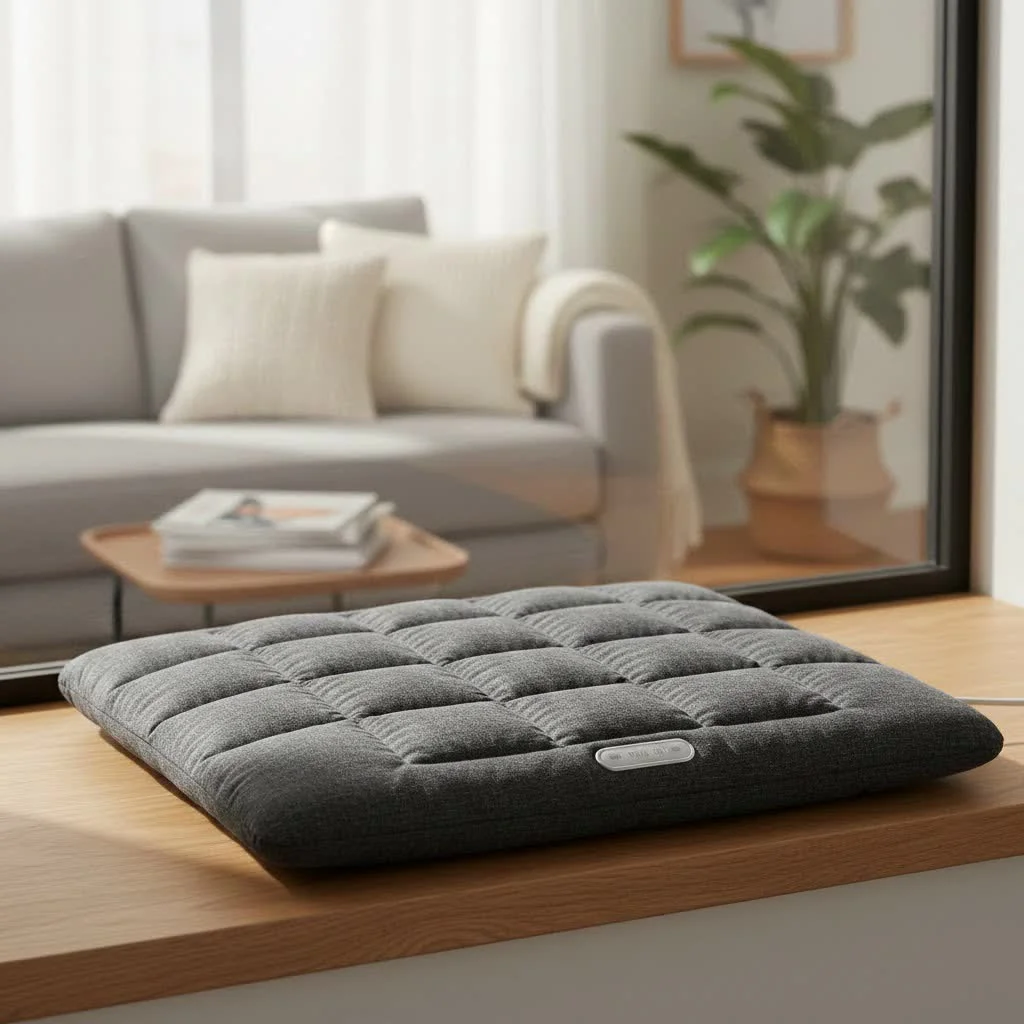
A rice bag heating pad is a fabric pouch filled with uncooked rice, designed to be heated (usually in a microwave) and applied to the body for therapeutic warmth. These pads work by absorbing heat efficiently and then releasing that warmth slowly and steadily. When heated, the rice also creates a gentle, moist heat, which penetrates deeper into tissues than dry heat, offering enhanced relief.
While often associated with heat therapy, these versatile pads can also be chilled in the freezer to provide soothing cold therapy. They are typically made from 100% cotton fabric, filled with common long-grain rice, though other grains like flaxseed or corn can also be used. Their flexible nature allows them to conform easily to various body parts, delivering targeted comfort right where you need it most.
Benefits of Using a Rice Bag Heating Pad
The advantages of incorporating a rice bag heating pad into your wellness routine are numerous, stemming from its natural composition and the therapeutic properties of moist heat.
One of the primary benefits is effective pain relief. The moist warmth helps relax tense muscles, alleviate joint stiffness, and reduce discomfort associated with conditions like arthritis, fibromyalgia, and general muscle aches. They are particularly popular for easing back pain, neck stiffness, and shoulder tension. For those experiencing menstrual cramps or headaches, a warm rice bag can provide significant comfort and distraction.
Beyond pain management, rice bag heating pads can improve blood circulation. Heat causes blood vessels to dilate, increasing blood flow to the treated area. This enhanced circulation aids in the delivery of oxygen and nutrients, promoting healing and reducing inflammation.
The warmth also offers profound relaxation and stress reduction. Applying a warm pad to your neck, shoulders, or abdomen can create a soothing sensation that calms the nervous system, helping to melt away daily stresses and promote a sense of well-being. Many users enhance this effect by adding a few drops of essential oils, like lavender or eucalyptus, to the rice, turning each session into an aromatherapy experience.
Rice bag heating pads are an eco-friendly and reusable alternative to disposable chemical heat packs or electric heating pads. They don’t require electricity during use, offering portable relief, and can last for years with proper care, making them a sustainable choice for personal comfort.
Craft Your Own: A DIY Guide to Rice Bag Heating Pads
Creating your own rice bag heating pad is a rewarding and straightforward project, allowing you to customize its size, shape, and even scent. You don’t need extensive sewing skills, as there are both sewn and no-sew methods available.
Materials You’ll Need:
- Fabric: Approximately 1/4 to 1/2 yard of 100% cotton fabric (e.g., flannel, muslin, broadcloth). Old cotton socks or pillowcases also work wonderfully for a no-sew or minimal-sew approach. Avoid synthetic fabrics, as they can melt or scorch in the microwave.
- Filler: Uncooked rice (long-grain white rice is common and inexpensive, but brown rice or flaxseed can also be used). You’ll typically need 2-5 lbs depending on the desired size.
- Optional: Dried herbs (like lavender or chamomile) or a few drops of essential oils (e.g., lavender, eucalyptus, peppermint) for aromatherapy.
- Sewing Supplies (for sewn method): Sewing machine or needle and thread, scissors, pins.
- No-Sew Supplies (for no-sew method): Strong twine or ribbon.
- Tools: Funnel (helpful for filling), measuring cup.
For larger pads or those meant for specific areas like the lower back, you might consider sewing internal channels or sections within the pad before filling. This helps distribute the rice evenly and prevents it from pooling at one end.
“Making your own rice bag heating pad is not only cost-effective but also empowers you to create a personalized comfort item tailored exactly to your needs.” – Dr. Elena Petrova, Wellness & DIY Expert
Heating and Using Your Rice Bag Heating Pad Safely
Using your rice bag heating pad is simple, but adhering to proper heating and usage guidelines is crucial for safety and effectiveness.
Microwave Heating:
The microwave is the most common and convenient way to heat your rice bag.
- Initial Heating: Start by placing your rice bag in a clean microwave for 1 to 2 minutes on high. Microwave wattages vary, so it’s essential to learn your microwave’s heating capabilities.
- Adjusting Temperature: After the initial heating, carefully check the temperature of the pad. If it’s not warm enough, heat it in 30-second increments, shaking the bag between intervals to redistribute the rice and ensure even heating. Continue until the desired warmth is achieved.
- Adding Moisture: To create moist heat and prevent the rice from scorching, you can place a small cup of water in the microwave alongside your rice bag during heating.
Oven Heating (Alternative):
If you don’t have a microwave, an oven can be used with extreme caution.
- Preheat your oven to approximately 200°F (93°C).
- Place the rice bag on a clean baking sheet or roasting pan, and include an oven-safe dish of water in the oven to add moisture.
- Heat for about 20-30 minutes, checking the temperature frequently. Never leave it unattended.
Cold Therapy:
For cooling relief, simply place your rice bag in a sealed plastic bag (to protect it from freezer moisture) and put it in the freezer for at least 2-3 hours, or until thoroughly chilled.
Optimal Usage:
Once heated, apply the rice bag directly to the aching area for 10-15 minutes. Always test the temperature on your skin first to prevent burns, especially if applying to sensitive areas or using it on children or individuals with reduced sensation. Never use a heating pad while sleeping, as prolonged direct heat can cause burns. Allow the pad to cool completely before reheating or storing.
Essential Safety Tips and Care for Longevity
Ensuring the safe and long-lasting use of your rice bag heating pad requires mindful attention to both heating and storage.
Crucial Safety Precautions:
- Always Test Temperature: Before applying the heated pad to your skin, especially to children or individuals with sensitive skin or compromised sensation, always test its warmth. An overheated pad can cause burns.
- Never Leave Unattended: Whether heating in a microwave or oven, never walk away. Overheating can scorch the rice, create an unpleasant smell, or, in rare cases, pose a fire hazard.
- Use 100% Cotton Fabric: This is paramount. Synthetic materials can melt, degrade, or even ignite when exposed to microwave heat, releasing potentially toxic fumes.
- Avoid Overheating: Scorched rice has a distinctive, unpleasant smell. If your pad starts smelling burnt, discard it and make a new one. This is a sign of overheating or that the rice has degraded.
- Do Not Use While Sleeping: Prolonged direct contact with a heating pad, even a rice one, can cause burns, particularly if you’re not conscious to adjust or remove it.
- Inspect Regularly: Check your rice bag for any tears, holes, or signs of scorching. A compromised bag could leak rice or present a safety risk.
Care and Storage:
- Cool Completely Before Storage: Always ensure the rice bag has cooled down completely before storing it. Storing a warm bag can lead to mildew or degradation of the rice.
- Store in a Dry Place: Keep your rice bag in a cool, dry environment, such as a drawer or linen closet. Humidity can cause the rice to absorb moisture and potentially spoil.
- Consider a Removable Cover: If you’ve sewn a pad, consider making a removable, washable outer cover. This allows for easy cleaning and maintenance of hygiene.
- Know When to Replace: Over time, with repeated heating and cooling, the rice inside may break down, lose its ability to retain heat, or develop an off-putting smell. If you notice any of these signs, it’s time to replace your rice bag heating pad. Typically, a well-cared-for rice bag can last several years.
Rice Bag Heating Pads vs. Other Heating Solutions
While traditional electric heating pads and single-use chemical heat packs offer warmth, rice bag heating pads stand out for their unique blend of natural comfort, versatility, and eco-friendliness.
Electric Heating Pads provide consistent, long-lasting heat and often come with adjustable temperature settings and automatic shut-off features. However, they tether you to an electrical outlet, and concerns about electromagnetic fields, electrical malfunctions, and potential burns (especially if left on too long or fallen asleep on) are common. They deliver dry heat, which may not penetrate as deeply as moist heat.
Chemical Heat Packs offer instant, portable heat through a chemical reaction. They are convenient for one-time use but generate waste and can be more costly over time. The heat produced is typically dry and can be less soothing than the moist warmth of a rice bag. Some people also prefer to avoid direct contact with the chemicals involved.
Rice Bag Heating Pads offer a distinct advantage by providing moist heat, which many find more therapeutic for muscle relaxation and pain relief. They are portable and untethered, allowing you to move freely while receiving therapy. Being reusable and filled with a natural, inexpensive material like rice makes them an eco-conscious and cost-effective choice. The ability to add essential oils provides a personalized aromatherapy benefit unmatched by other options. While they don’t offer adjustable heat settings like electric pads and their heat retention is finite, their ease of use, natural composition, and comforting moist warmth make them a preferred choice for many seeking a holistic approach to pain and stress relief.
Conclusion
Rice bag heating pads show the power of simple, natural remedies. Whether you’re battling persistent muscle aches, seeking solace from menstrual cramps, or simply longing for a moment of calming warmth, these humble yet effective tools offer a pathway to relief. Their ability to deliver soothing moist heat, combined with their eco-friendly nature and customizable aromatherapy options, makes them an invaluable addition to any self-care arsenal. Embrace the comfort and ease of a rice bag heating pad, and discover a natural way to nurture your body and mind.
Have you ever experienced the comforting warmth of a rice bag heating pad, or are you ready to craft your own?
Frequently Asked Questions
How long do rice bag heating pads stay warm?
|
Our Picks for the Best Heating Pad in 2026
As an Amazon Associate I earn from qualifying purchases.
|
||
| Num | Product | Action |
|---|---|---|
| 1 | Heating Pad for Back, Neck, Shoulder Pain Relief - 12"x24" Heat Pads, Auto-Off, Machine Washable, Moist/Dry Heat Options - Valentine's Day & Christmas Gifts for Her, Him, Mom Dad, Women, Men |

|
| 2 | Electric Heating pad for Back Neck Shoulder Knee Arms Legs- Electric Heat Pads with 6 Heat Settings & Auto Shut Off &Dry/Moist Heat Heating Pad for Birthday Mother Father Girl Men Women |
|
| 3 | Heating Pad for Back, Neck, and Shoulder Pain Relief, Electric Heat Pad with 6 Heat Levels, Moist Heat Option, Auto Shut-Off, Birthday Christmas Gifts for Women Men Mom Dad Grandma, Gifts for her |
|
| 4 | GENIANI Electric Heating Pad for Back Pain & Cramps Relief, Electric Throw, Auto Shut Off, Machine Washable, Moist Heat Pad for Neck & Shoulder - Valentines Day Gifts for Her (12×24", Tabby Gray) |
|
| 5 | VAAGHANM Heating Pad: 33 x 17 inches Electric Heating Pad for Back -Extra Large Heat Pad for Shoulder/Neck/Knee/Arms - Upgraded 6 Timer & 6 Temperature Controller -Auto Shut Off |
|
| 6 | Heating Pad for Back Pain Cramps Relief - Electric Heating Pad for Neck/Shoulder/Muscle Pain - 6 Heat Settings, Auto Off, Moist Heat Options, Machine Washable, Christmas Gifts for Women Mom Wife - XL |
|
| 7 | Cordless Heating Pad for Back, Back Heating Pad Rechargeable Heated Waist Belt Wrap with Built-in Warming Layer 5 Heat Options & 3 Auto Timer |
|
| 8 | Sunbeam XL Heating Pad for Back Neck and Shoulder Pain Relief with Sponge for Moist Heating Option Extra Large 12 x 24" Blue |
|
| 9 | Heating Pad for Period Cramps, Heating Pad for Back/Neck/Shoulder Muscle Pain, 6 Heating&4 Timer Setting, Auto Shut Off, Dry/Moist Heat & Machine Washable, Gray Birthday Christmas Gifts for Women Mom |
|
| 10 | GENIANI Electric Heating Pad for Back Pain & Cramps Relief, Electric Throw, Auto Shut Off, Machine Washable, Moist Heat Pad for Neck & Shoulder - Valentines Day Gifts for Her Him, Extra Large 24x12 |
|
Typically, a rice bag heating pad will stay comfortably warm for about 20-40 minutes, with the heat gradually dissipating. The exact duration depends on the size of the bag, the amount of rice, and the initial heating time.
Can I wash my rice bag heating pad?
No, you should not wash a rice bag heating pad directly, as the rice inside will spoil. If your pad has a removable cotton cover, you can wash the cover separately according to its fabric care instructions. For the inner rice bag, spot cleaning with a damp cloth is the best option if it gets dirty.
Can I use different fillers instead of rice?
Yes, you can! Other popular fillers include flaxseed, corn, or cherry pits. Flaxseed is often praised for its ability to retain heat longer and provide a smoother, more conforming feel. Ensure whatever filler you choose is dry and natural.
Is it safe to add essential oils to my rice bag?
Yes, it is generally safe to add a few drops of 100% pure essential oils to your rice for aromatherapy benefits. Mix the oils thoroughly with the rice before filling the bag. Avoid synthetic fragrances, which may not be safe when heated.
How often should I replace my rice bag heating pad?
With proper care, a rice bag heating pad can last for several years. You’ll know it’s time to replace it if it starts smelling burnt, develops mildew, or if the rice kernels begin to break down and lose their ability to retain heat effectively.
Frequently Asked Questions
How long do rice bag heating pads typically retain their warmth?
A rice bag heating pad typically stays comfortably warm for about 20-40 minutes. The exact duration depends on factors such as the size of the bag, the quantity of rice used, and the initial heating time.
Is it possible to wash a rice bag heating pad if it gets dirty?
No, you should not wash a rice bag heating pad directly because the rice inside will spoil. If your pad has a removable cotton cover, you can wash the cover separately. For the inner rice bag, spot cleaning with a damp cloth is the best option for minor dirt.
Are there alternative natural fillers that can be used instead of rice?
Yes, you can use other natural fillers instead of rice. Popular alternatives include flaxseed, corn, or cherry pits. Flaxseed is often preferred for its ability to retain heat longer and provide a smoother, more conforming feel, but ensure any chosen filler is dry and natural.
Can essential oils be safely added to a rice bag heating pad for aromatherapy?
Yes, it is generally safe to add a few drops of 100% pure essential oils to your rice for aromatherapy benefits. Mix the oils thoroughly with the rice before filling the bag. Avoid synthetic fragrances, as they may not be safe when heated.
When should a rice bag heating pad be replaced for optimal performance?
With proper care, a rice bag heating pad can last for several years. You should replace it if it starts smelling burnt, develops mildew, or if the rice kernels begin to break down and lose their ability to retain heat effectively.
How to Make a Sewn Rice Bag Heating Pad
Create your own customizable rice bag heating pad using 100% cotton fabric and uncooked rice for natural heat relief.
Decide on the desired size for your heating pad, such as 7x13 inches for neck and shoulder relief. Cut two pieces of 100% cotton fabric to this size, adding a 1/2-inch seam allowance around all edges.
Place the two fabric pieces right sides together and pin along three edges, leaving one short end open for filling. Sew a straight stitch along the pinned edges, double stitching for extra durability, then trim the corners.
Turn the fabric pouch right side out. Use a funnel to fill the bag about two-thirds full with uncooked rice, allowing flexibility. If desired, mix dried herbs or essential oils with the rice before filling.
Fold the raw edges of the open end inwards by about 1/2 inch and press flat. Pin the opening closed, then carefully sew a straight stitch close to the edge to seal the bag securely.
Get our weekly buyer guide
Practical specs, not advice. Unsubscribe anytime.

I got one of these for my lower back stiffness, hoping for some relief. It does feel nice and warm, and the eco-friendly aspect is a plus. However, I find that the rice scent is a bit strong for me when it’s heated up, which can be a little distracting. It works, but the smell is something to consider.
I’ve been using a rice bag heating pad for my chronic neck pain, and it’s been a game-changer. The moist heat really does penetrate deeper than other pads I’ve tried, and it feels so much more natural. I love that it’s reusable and I don’t have to worry about cords or batteries. Definitely recommend for anyone looking for effective pain relief.
I’m all about natural remedies, and these rice bag heating pads fit right in. I use mine almost daily for stress relief and it’s incredibly calming. The fact that it’s a cost-effective alternative to disposable packs is a huge bonus for my budget and the environment. So glad I made the switch!
This guide was super helpful! I picked up a rice bag after reading about how they can be chilled for cold therapy too, which is a neat bonus. It’s great for my post-workout soreness. My only minor complaint is that the heat doesn’t last quite as long as an electric pad, but it’s still very comforting.