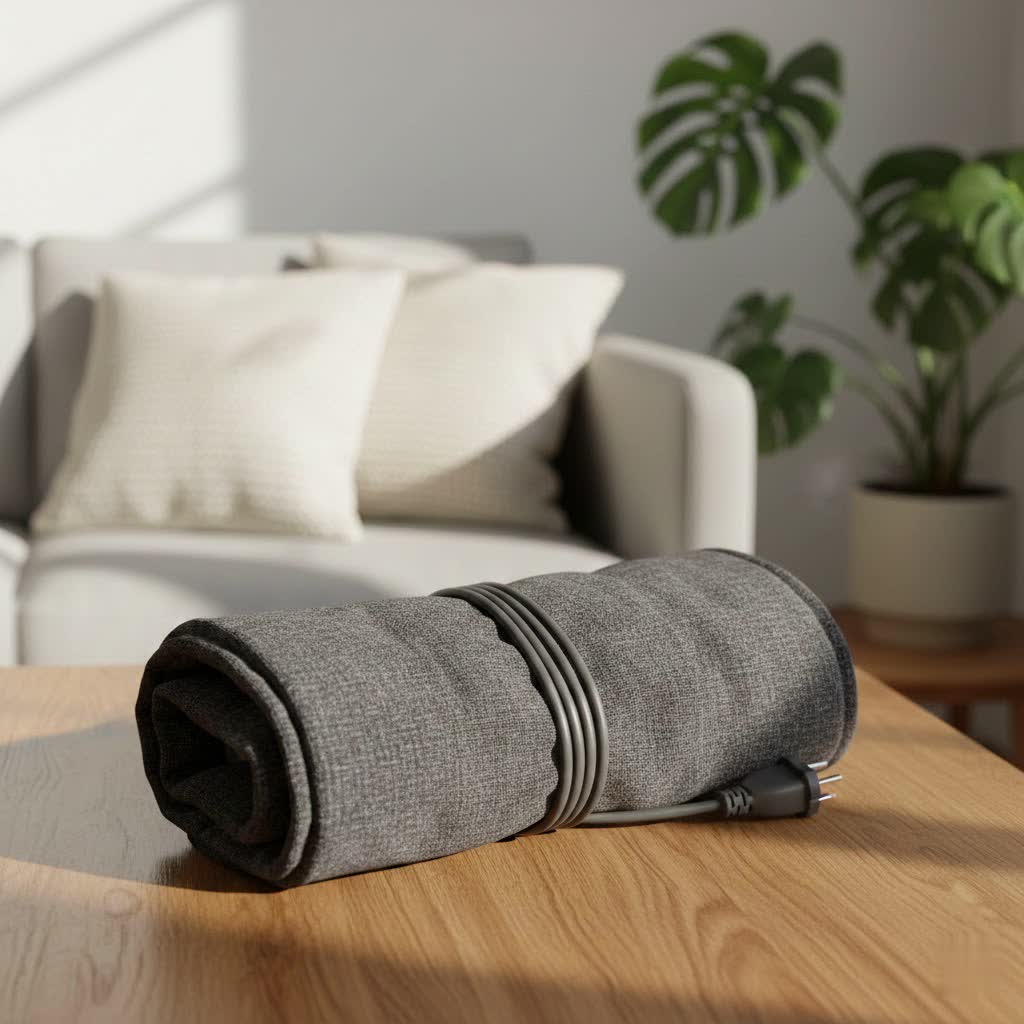
When aches, pains, or muscle stiffness strike, finding effective relief is paramount. As someone who has spent over a decade immersed in warming devices, particularly heating pads, I understand the profound comfort and therapeutic benefits they can offer. A quality heating pad isn’t just a simple accessory; it’s a powerful tool that can significantly enhance your well-being, relax your body, and melt away tension. This comprehensive guide will help you navigate the diverse world of heating pads, from understanding how they work to choosing the perfect one to become your go-to companion for soothing relief.
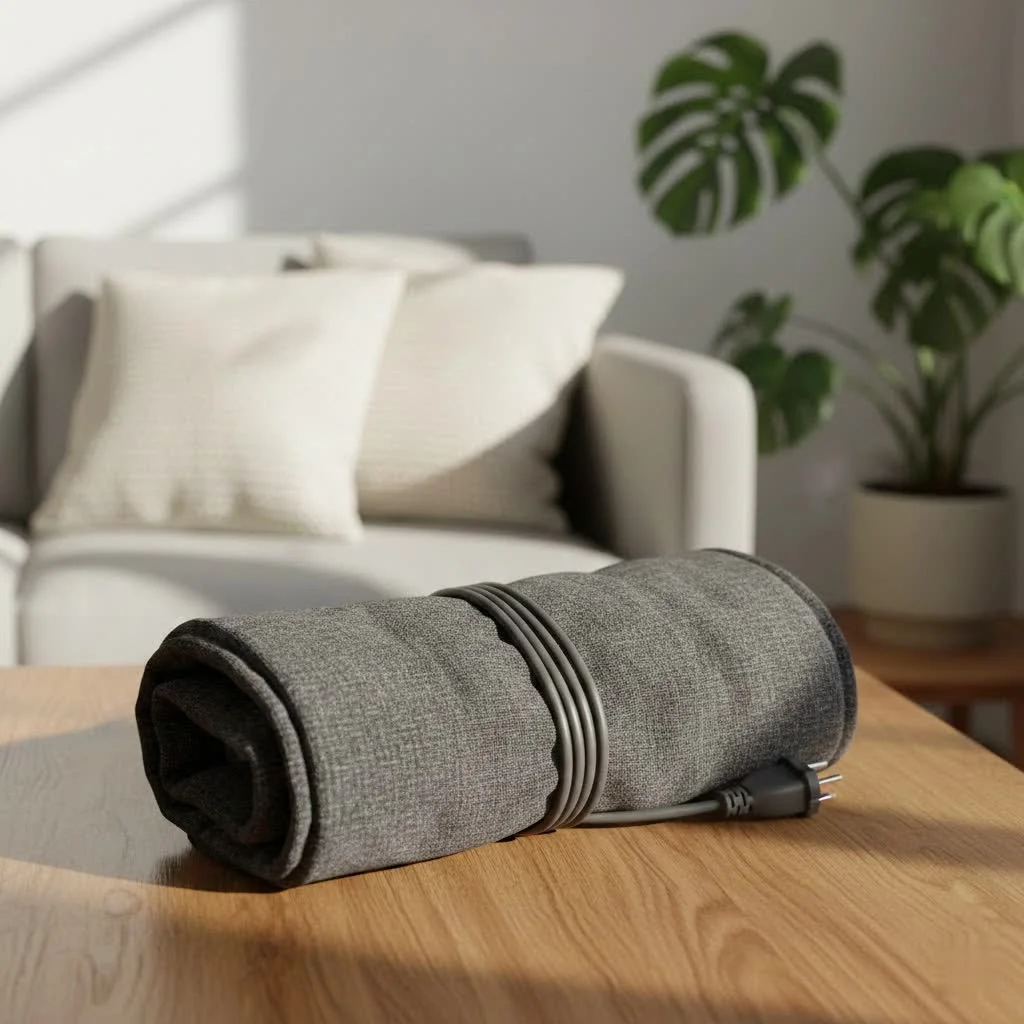
What is a Heating Pad and How Does It Work?
At its core, a heating pad is a device designed to apply localized heat to the body, a practice known as thermotherapy or heat therapy. This therapeutic warmth initiates a series of physiological responses that contribute to pain relief and muscle relaxation.
When a heating pad is applied, the warmth penetrates the skin, causing blood vessels in the affected area to dilate. This vasodilation increases localized blood flow, which in turn delivers more oxygen and vital nutrients to the tissues while helping to remove waste products. This improved circulation helps to reduce muscle guarding, decrease joint stiffness, and soothe discomfort. The warmth also stimulates sensory receptors in the skin, which can effectively override pain signals sent to the brain, providing immediate relief.
Heating pads come in several forms, each with a unique heating mechanism:
- Electric Heating Pads: These are the most common type, plugging into an electrical outlet to provide consistent, adjustable heat through internal heating elements.
- Microwavable Heating Pads: Often filled with natural materials like rice, flaxseed, or gel, these pads are heated in a microwave. They offer cordless convenience but the heat gradually fades over time.
- Infrared Heating Pads: Utilizing infrared light, these pads deliver heat deeper into tissues and joints without making the skin surface excessively hot. They are often found in therapeutic settings.
- Moist Heating Pads: These can be electric or microwavable and are designed to provide moist heat, which many users find to feel more penetrating and gentler on the skin, and less dehydrating than dry heat.
- Chemical/Self-Heating Pads: Typically single-use or rechargeable patches that activate a chemical reaction to produce heat, offering portable, cord-free relief.
- Wearable Heating Pads: Designed with straps or contours to fit specific body parts (like the back, neck, or knees), these often combine electric heating with a hands-free design.
Benefits of Using a Heating Pad
The application of heat therapy through a heating pad offers a wide array of benefits for various aches and pains, making it an indispensable tool for many households.
- Reduces Muscle and Joint Pain: Heating pads are highly effective for alleviating common muscle aches, spasms, and joint pain in areas like the back, neck, shoulders, and knees. The heat helps muscles to relax and untighten, easing discomfort.
- Improves Blood Circulation: By dilating blood vessels, heat therapy boosts blood flow to the affected area. This increased circulation facilitates the delivery of oxygen and nutrients, which are crucial for healing and recovery.
- Eases Stiffness and Increases Flexibility: Warmth helps to increase the flexibility of soft tissues and reduce stiffness in muscles and joints, making movement more comfortable. This is particularly beneficial before stretching or exercise.
- Relaxes and Reduces Tension: The soothing warmth of a heating pad promotes overall relaxation, helping to alleviate stress and tension that often contribute to physical discomfort.
- Supports Post-Workout Recovery: Applying heat after physical activity can help reduce delayed-onset muscle soreness (DOMS) and aid in the repair of damaged muscle tissues, supporting faster recovery for athletes and active individuals.
- Relieves Menstrual Cramps: Many women find significant relief from menstrual pain by applying a heating pad to the abdomen, as the warmth helps relax uterine muscles and reduce cramping.
- Assists with Chronic Conditions: For individuals suffering from chronic conditions like osteoarthritis or fibromyalgia, regular heat therapy can be a simple, evidence-based way to manage ongoing pain and improve comfort.
“Heat therapy increases localized blood flow, reduces muscle guarding, and decreases joint stiffness. It’s a simple, evidence-based way to relax tissue and ease pain.”
Popular Types of Heating Pads on the Market
The market offers a diverse range of heating pads, each with unique characteristics catering to different needs and preferences. Understanding these types is crucial for making an informed choice.
Electric Heating Pads
|
Our Picks for the Best Heating Pad in 2026
As an Amazon Associate I earn from qualifying purchases.
|
||
| Num | Product | Action |
|---|---|---|
| 1 | Electric Heating pad for Back Neck Shoulder Knee Arms Legs- Electric Heat Pads with 6 Heat Settings & Auto Shut Off &Dry/Moist Heat Heating Pad for Birthday Mother Father Girl Men Women |

|
| 2 | Cordless Heating Pad for Back, Back Heating Pad Rechargeable Heated Waist Belt Wrap with Built-in Warming Layer 5 Heat Options & 3 Auto Timer |
|
| 3 | Heating Pad for Back, Neck, Shoulder Pain Relief - 12"x24" Heat Pads, Auto-Off, Machine Washable, Moist/Dry Heat Options - Valentine's Day & Christmas Gifts for Her, Him, Mom Dad, Women, Men |
|
| 4 | VAAGHANM Heating Pad: 33 x 17 inches Electric Heating Pad for Back -Extra Large Heat Pad for Shoulder/Neck/Knee/Arms - Upgraded 6 Timer & 6 Temperature Controller -Auto Shut Off |
|
| 5 | Sunbeam XL Heating Pad for Back Neck and Shoulder Pain Relief with Sponge for Moist Heating Option Extra Large 12 x 24" Blue |
|
| 6 | Heating Pad for Back, Neck, and Shoulder Pain Relief, Electric Heat Pad with 6 Heat Levels, Moist Heat Option, Auto Shut-Off, Birthday Christmas Gifts for Women Men Mom Dad Grandma, Gifts for her |
|
| 7 | GENIANI Electric Heating Pad for Back Pain & Cramps Relief, Electric Throw, Auto Shut Off, Machine Washable, Moist Heat Pad for Neck & Shoulder - Valentines Day Gifts for Her Him, Extra Large 24x12 |
|
| 8 | Heating Pad for Back Pain Cramps Relief - Electric Heating Pad for Neck/Shoulder/Muscle Pain - 6 Heat Settings, Auto Off, Moist Heat Options, Machine Washable, Christmas Gifts for Women Mom Wife - XL |
|
| 9 | GENIANI Electric Heating Pad for Back Pain & Cramps Relief, Electric Throw, Auto Shut Off, Machine Washable, Moist Heat Pad for Neck & Shoulder - Valentines Day Gifts for Her (12×24", Tabby Gray) |
|
| 10 | Heating Pad for Period Cramps, Heating Pad for Back/Neck/Shoulder Muscle Pain, 6 Heating&4 Timer Setting, Auto Shut Off, Dry/Moist Heat & Machine Washable, Gray Birthday Christmas Gifts for Women Mom |
|
These are the most common and versatile. They plug into a wall outlet and use electrical resistance to generate continuous heat.
- Pros: Offer consistent and adjustable heat settings (often low, medium, high, and sometimes more), have automatic shut-off features for safety, and often come with long cords for convenience. Many have soft, washable covers.
- Cons: Require proximity to an electrical outlet, limiting portability. Some users might find the cords cumbersome.
Sub-types include:
- Far-Infrared Electric Pads: These emit infrared radiation that penetrates deeper into tissues for more profound relief without making the skin surface excessively hot.
- Moist-Heat Electric Pads: These can often be used with a damp sponge or by misting the pad to create moist heat, which many find more effective and less drying than dry heat alone.
Microwavable Heating Pads
These non-electric options are filled with natural materials such as rice, flaxseed, cherry pits, or gel, and are heated in a microwave.
- Pros: Cordless and highly portable, making them ideal for travel or use anywhere an outlet isn’t available. Many can also be frozen for cold therapy. They often conform well to the body.
- Cons: Heat retention is limited, typically lasting from 10 to 45 minutes, requiring re-heating. Some can absorb microwave odors, and consistent heat levels are harder to maintain.
Infrared Heating Pads
While some electric pads incorporate infrared technology, dedicated infrared heating pads specifically use infrared light (often far-infrared) to penetrate deeply beneath the skin without excessive surface heat. These often contain therapeutic stones like jade or tourmaline.
- Pros: Deeper heat penetration targets underlying muscles and joints more effectively, providing longer-lasting relief for moderate to severe pain.
- Cons: Generally more expensive and might be more specialized, often found in clinical or therapeutic settings.
Chemical/Self-Heating Pads
These single-use or rechargeable pads create heat through a chemical reaction. They are typically smaller patches or wraps.
- Pros: Extremely portable, lightweight, and completely cordless. Instant heat activation. Rechargeable versions offer repeated use.
- Cons: Single-use options generate waste, rechargeable ones may have limited battery life or require charging time. Heat duration can be shorter compared to electric pads.
Wearable Heating Pads
Designed with straps, belts, or contoured shapes, these pads allow hands-free use by conforming and staying securely on specific body parts.
- Pros: Excellent for targeted relief on areas like the back, neck, shoulders, or knees, allowing you to move around while receiving therapy. Many combine heat with massage features.
- Cons: May be less versatile for full-body use, and some advanced models can be significantly more expensive.
Comparing Top Heating Pad Brands and Products
When searching for the best heating pad, several brands consistently rise to the top, known for their reliability, innovation, and effectiveness. Here’s a look at some leading names and their standout products:
- Pure Enrichment: This brand is frequently cited for its high-quality electric heating pads. The Pure Enrichment PureRelief XL Electric Heating Pad is often hailed as a top overall pick due to its large, versatile size, wide range of heat settings, fast heat-up time, and soft microplush material. Their PureRelief Heating Pad for Neck and Shoulders is also highly regarded for its contoured, wearable design, magnetic closure, and effective heat distribution for the upper body. The PureRelief Duo 2-in-1 Heating Pad stands out for offering both heat and cold therapy with a removable gel insert.
- Sunbeam: A long-standing and trusted name in heat therapy, Sunbeam offers a variety of reliable and often budget-friendly options. The Sunbeam Carbon Heat Thermabelt Heating Pad is excellent for back pain, featuring an adjustable belt for secure wear and even heat. The Sunbeam Premium Heating Pad is a versatile, affordable choice for general aches. Sunbeam also provides specialized products like the Sunbeam King Size Moist Heating Pad with a Moist Heat Sponge for full-body moist heat and the Sunbeam Flexfit Heating Pad Wrap for targeted joint pain relief. Their XpressHeat Heating Pad is praised for its rapid heating.
- Hyperice: Known for its innovative, high-tech devices, Hyperice offers premium wearable solutions. The **Hyperice
Get our weekly buyer guide
Practical specs, not advice. Unsubscribe anytime.
