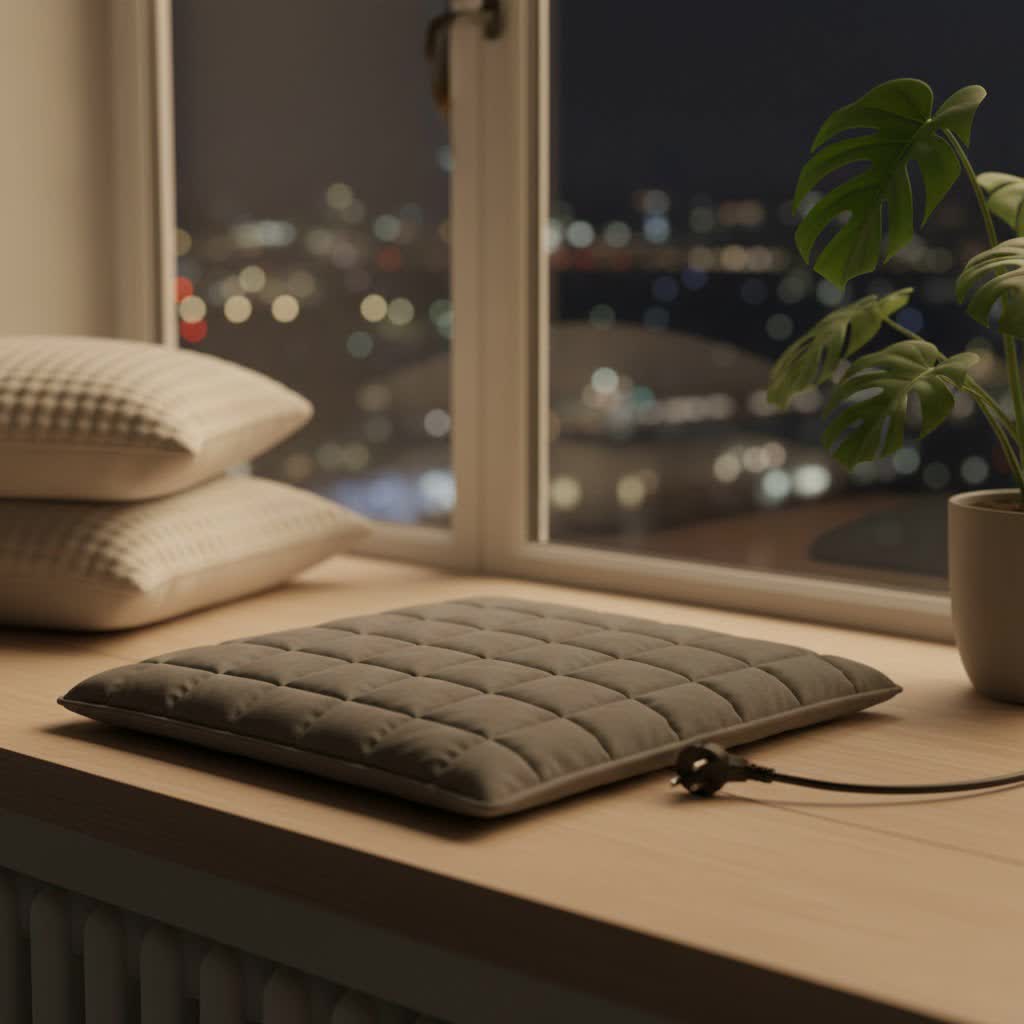
Waking up to the familiar ache of menstrual cramps can set a challenging tone for your entire day. While over-the-counter pain relievers offer a solution, many seek a drug-free, comforting alternative to alleviate discomfort. This comprehensive guide explores how heating pads effectively combat period pain, delving into the science behind their soothing power, the various types available, and how to select the perfect one to make your monthly cycle more manageable.
What is a Heating Pad and How Does it Work?
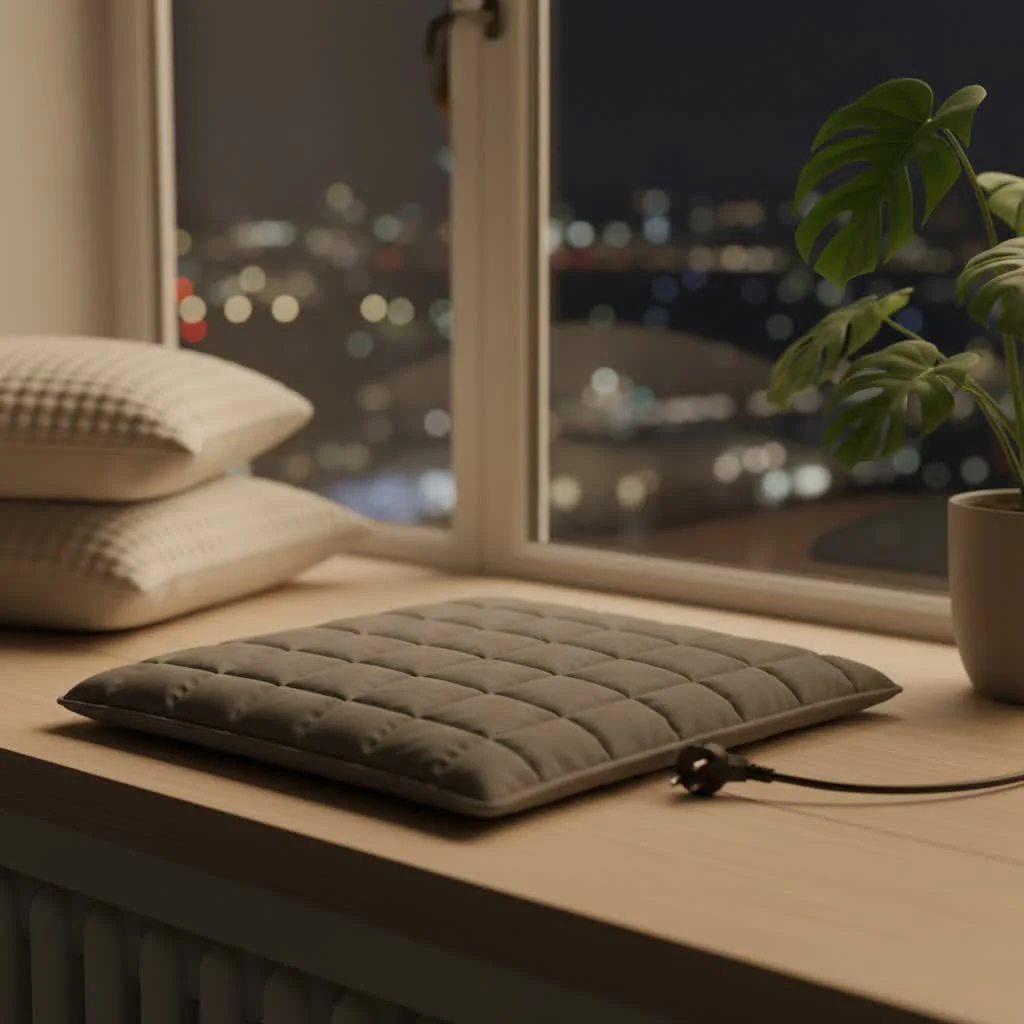
A heating pad is a device designed to apply heat to the body, providing therapeutic relief for various aches and pains. For cramps, these pads are a long-standing, scientifically supported remedy. Whether it’s an electric pad, a microwaveable pack, or even a classic hot water bottle, the core principle remains the same: controlled warmth targets the affected area. For best heating pads roundups on this site.
When applied to the lower abdomen or back, heat therapy causes blood vessels to dilate, a process known as vasodilation. This increased blood flow delivers more oxygen and nutrients to the cramped uterine muscles. Simultaneously, the warmth helps these muscles relax, reducing the intensity of the contractions that cause period pain (dysmenorrhea). A 2018 review highlighted that local heat application can be as effective as some over-the-counter medications in providing significant relief for painful menstruation.
Benefits of Using a Heating Pad for Cramps
The application of heat offers a multitude of benefits when dealing with the throbbing discomfort of menstrual cramps. It’s more than just a comforting sensation; it’s a targeted therapeutic approach.
Reducing Muscle and Joint Pain: The primary advantage of a heating pad is its ability to relax tense muscles. During menstruation, the uterus contracts to shed its lining, causing painful cramps. Heat directly addresses these contractions, helping the muscles to ease and alleviate the associated pain in the abdomen and lower back.
Improving Blood Circulation: Heat promotes vasodilation, widening blood vessels and increasing blood flow to the pelvic area. This enhanced circulation not only helps relax muscles but also reduces inflammation that can contribute to pain, bringing much-needed oxygen and nutrients to the affected tissues.
Relaxation and Stress Reduction: Beyond physical relief, the warmth from a heating pad offers a profound sense of comfort and relaxation. Dealing with menstrual pain can be stressful, and the soothing heat can help calm the nervous system, reducing overall tension and contributing to a more relaxed state of mind.
Support for Specific Conditions: For individuals experiencing conditions like endometriosis, adenomyosis, or general severe dysmenorrhea, heating pads can be an invaluable tool. While not a cure, they offer a non-invasive way to manage chronic pain symptoms, often serving as a complementary therapy alongside other treatments.
“Heat therapy is a simple, evidence-based way to relax tissue and ease pain by increasing localized blood flow and reducing muscle guarding.” – James E. Gamrat, PT, DPT, Director of Physical Therapy at the Spine & Health Center of New Jersey.
Popular Types of Heating Pads for Cramps
The market offers a diverse range of heating pads, each with unique features designed to suit different preferences and lifestyles. Understanding the various types can help you choose the most effective solution for your cramp relief.
Electric Heating Pads
|
Our Picks for the Best Heating Pad in 2026
As an Amazon Associate I earn from qualifying purchases.
|
||
| Num | Product | Action |
|---|---|---|
| 1 | VAAGHANM Heating Pad: 33 x 17 inches Electric Heating Pad for Back -Extra Large Heat Pad for Shoulder/Neck/Knee/Arms - Upgraded 6 Timer & 6 Temperature Controller -Auto Shut Off |

|
| 2 | Sunbeam XL Heating Pad for Back Neck and Shoulder Pain Relief with Sponge for Moist Heating Option Extra Large 12 x 24" Blue |
|
| 3 | Heating Pad for Back Pain Cramps Relief - Electric Heating Pad for Neck/Shoulder/Muscle Pain - 6 Heat Settings, Auto Off, Moist Heat Options, Machine Washable, Christmas Gifts for Women Mom Wife - XL |
|
| 4 | GENIANI Electric Heating Pad for Back Pain & Cramps Relief, Electric Throw, Auto Shut Off, Machine Washable, Moist Heat Pad for Neck & Shoulder - Valentines Day Gifts for Her (12×24", Tabby Gray) |
|
| 5 | GENIANI Electric Heating Pad for Back Pain & Cramps Relief, Electric Throw, Auto Shut Off, Machine Washable, Moist Heat Pad for Neck & Shoulder - Valentines Day Gifts for Her Him, Extra Large 24x12 |
|
| 6 | Electric Heating pad for Back Neck Shoulder Knee Arms Legs- Electric Heat Pads with 6 Heat Settings & Auto Shut Off &Dry/Moist Heat Heating Pad for Birthday Mother Father Girl Men Women |
|
| 7 | Heating Pad for Back, Neck, Shoulder Pain Relief - 12"x24" Heat Pads, Auto-Off, Machine Washable, Moist/Dry Heat Options - Valentine's Day & Christmas Gifts for Her, Him, Mom Dad, Women, Men |
|
| 8 | Heating Pad for Period Cramps, Heating Pad for Back/Neck/Shoulder Muscle Pain, 6 Heating&4 Timer Setting, Auto Shut Off, Dry/Moist Heat & Machine Washable, Gray Birthday Christmas Gifts for Women Mom |
|
| 9 | Cordless Heating Pad for Back, Back Heating Pad Rechargeable Heated Waist Belt Wrap with Built-in Warming Layer 5 Heat Options & 3 Auto Timer |
|
| 10 | Heating Pad for Back, Neck, and Shoulder Pain Relief, Electric Heat Pad with 6 Heat Levels, Moist Heat Option, Auto Shut-Off, Birthday Christmas Gifts for Women Men Mom Dad Grandma, Gifts for her |
|
These are the most common type, plugging into an electrical outlet. They typically offer multiple heat settings and often include an automatic shut-off feature for safety.
- Pros: Provide consistent, long-lasting heat; customizable temperature control.
- Cons: Require proximity to an outlet; less portable unless battery-operated.
Microwaveable Heating Pads
Filled with natural materials like rice, flaxseed, or cherry pits, these pads are heated in a microwave.
- Pros: Cordless and portable; often conform well to the body; offer moist heat when materials are slightly damp.
- Cons: Heat duration is limited, requiring frequent reheating; temperature control is less precise.
Wearable and Cordless Heating Pads
Designed for maximum mobility, these pads can be strapped around the waist or discreetly worn under clothing. They are usually battery-powered or rechargeable.
- Pros: Freedom of movement; ideal for use at work, during travel, or while performing light activities; some models offer vibration massage.
- Cons: Battery life can be limited; may be more expensive than traditional electric pads.
Hot Water Bottles
A classic and straightforward method, hot water bottles are filled with hot tap water.
- Pros: Inexpensive; provides intense, direct heat; no electricity required.
- Cons: Heat dissipates over time; risk of burns if water is too hot or bottle leaks; can be bulky.
Adhesive/Chemical Heating Patches
These single-use patches adhere directly to clothing (not skin) and generate heat through a chemical reaction when exposed to air.
- Pros: Discreet and ultra-portable; offer consistent, low-level heat for several hours; ideal for on-the-go relief.
- Cons: Single-use, leading to recurring costs; less customizable temperature; may not get as hot as electric pads.
Leading Heating Pad Brands and Their Top Products
Several brands stand out for their quality and effectiveness in the heating pad market. Here’s a look at some reputable names and what makes their products popular for cramp relief:
- Sunbeam: A long-established brand known for reliable and durable electric heating pads. Their products often feature multiple heat settings and safety auto-shutoff. The Sunbeam Goheat Cordless Heating Pad is a popular rechargeable option for portability, while the Sunbeam Wrapping Heating Pad is praised for its washable design.
- Pure Enrichment: Offers a range of innovative heating pads, including the PureRelief Duo 2-in-1 Heating Pad, which provides both heat and cold therapy with a removable gel insert. They are recognized for plush materials and thoughtful features like auto shut-off and varied heat levels.
- REB Recovery: Specializes in targeted relief, with products like The Kelley Jean Heating Pad designed specifically for menstrual and postpartum pain. Their pads are crafted to contour to the body for sustained, full-contact heat across the abdomen and pelvic area.
- Hyperice Venom: For those seeking advanced therapy, the Hyperice Venom 2 Back offers a high-tech vibrating heat wrap. It features “HyperHeat” technology for rapid warming and multiple vibration patterns to further alleviate discomfort, though it comes at a higher price point.
- GENIANI: Their XL Heating Pad is often an Amazon bestseller, noted for its generous size, plush cover, and machine-washable design, making it a convenient and effective choice.
- Homedics: Offers various heating pads, with some models designed with features like targeted massage and automatic shut-off.
Detailed Comparison Table of Best Heating Pads for Cramps
| Product Name | Brand | Type | Key Features | Price Range | User Rating (Average) |
|---|---|---|---|---|---|
| PureRelief XL Heating Pad | Pure Enrichment | Electric | 6 heat settings, 2-hour auto shut-off, plush material | $50-$60 | 4.5/5 |
| Goheat Cordless Heating Pad | Sunbeam | Rechargeable Electric | Portable, wraps around body, multiple heat settings | $40-$50 | 4.3/5 |
| Calming Heat Massaging Weighted HP | Sharper Image | Electric, Weighted | Weighted design, massage modes, auto shut-off | $60-$70 | 4.2/5 |
| The Kelley Jean Heating Pad | REB Recovery | Targeted Electric | Contoured design for abdomen/pelvis, sustained heat | $80-$100 | 4.6/5 |
| GENIANI XL Heating Pad | GENIANI | Electric | Large size, machine-washable cover, 3 temp settings | $30-$40 | 4.4/5 |
| Rael Heating Patch | Rael | Adhesive Chemical | Disposable, discreet, consistent low heat for hours | $10-$20 (pack) | 4.1/5 |
| EVA Period Heating Pad and Massager | UltraCare PRO | Rechargeable Electric/Massage | 9 heat levels, 9 vibration modes, adjustable strap | $50-$70 | 4.5/5 |
| Attmu Classic Rubber Hot Water Bottle | Attmu | Hot Water Bottle | Basic, reliable, budget-friendly | $10-$15 | 4.0/5 |
Prices are approximate and can vary based on retailer and promotions.
How to Choose the Right Heating Pad for Your Cramps (Buying Guide)
Selecting the ideal heating pad involves considering your specific needs, comfort preferences, and safety concerns. Here’s a comprehensive guide to help you make an informed decision:
1. Identify Your Usage Needs
- Target Area: Do you primarily need relief for your lower abdomen, lower back, or both? Some pads are designed for specific body parts, while larger, flexible options offer versatility.
- Frequency and Intensity: If you experience severe, prolonged cramps, an electric pad offering consistent heat might be more suitable than a microwaveable one requiring frequent reheating.
- Portability: Do you need relief on the go (work, travel) or primarily at home? Cordless, wearable, or adhesive patches offer mobility, while corded electric pads are best for stationary use.
2. Consider the Type of Heating Pad
Review the different types (electric, microwaveable, wearable, hot water bottle, chemical patches) and their pros and cons. Each type offers a different balance of convenience, heat duration, and temperature control.
3. Prioritize Safety Features
Safety is paramount, especially when dealing with heat.
- Automatic Shut-Off: This feature prevents overheating and burns, particularly if you tend to fall asleep while using the pad. Most electric pads include a 30-minute to 2-hour auto shut-off.
- Temperature Control: Look for multiple heat settings (low, medium, high) to customize the warmth to your comfort level and prevent skin irritation.
- Material: Ensure the pad’s cover is soft, breathable, and gentle on the skin. Avoid direct contact with heating elements.
4. Evaluate Size and Shape
- Small and Targeted: Good for precise application on a small area.
- Large and Flexible: Ideal for covering a wider area like the entire lower back or abdomen.
- Contoured/Weighted: Some pads are shaped or weighted to better conform to the body, providing more effective contact and preventing slippage.
5. Check for Ease of Maintenance
A washable cover is a significant advantage, allowing you to keep your heating pad hygienic and fresh. Removable covers are easiest to clean.
6. Power Source
Decide whether a corded electric pad (unlimited power), a rechargeable battery-powered pad (portability with charge limits), or a simple microwaveable or hot water bottle (manual heating) best fits your lifestyle.
Safe Usage and Maintenance of Heating Pads
While heating pads are generally safe and effective, proper usage and maintenance are crucial to prevent injury and prolong the life of your device.
- Read the Manual: Always begin by thoroughly reading the manufacturer’s instructions for your specific heating pad. This will provide essential guidance on usage, settings, and safety warnings.
- Avoid Direct Skin Contact: To prevent burns, never place a heating pad directly on bare skin, especially if using higher heat settings. Always use a cloth barrier, such as a towel or your clothing, between the pad and your skin.
- Limit Usage Time: Most experts recommend using a heating pad for 15-20 minutes at a time, allowing your skin to cool before reapplication. Avoid prolonged use or falling asleep with an electric heating pad turned on, even with an auto shut-off feature, to minimize the risk of burns.
- Monitor Temperature: Start with the lowest heat setting and gradually increase it until you find a comfortable and effective temperature. Your skin should feel warm, not hot or burning.
- Inspect Regularly: Before each use, check the heating pad for any signs of wear and tear, such as frayed cords, cracks, or exposed wires. Discontinue use if any damage is found.
- Clean and Store Properly: If your heating pad has a washable cover, remove and clean it according to the care instructions. For non-washable surfaces, wipe with a damp cloth and mild soap. Store your heating pad in a dry, safe place away from moisture and direct sunlight when not in use. Ensure it’s completely dry before storing.
- When to Consult a Doctor: If your cramps are unusually severe, accompanied by heavy bleeding, fever, or other concerning symptoms, or if heat therapy doesn’t provide sufficient relief, consult a healthcare professional. These could be signs of an underlying condition requiring medical attention.
Conclusion
Heating pads are a time-tested and scientifically supported method for alleviating the discomfort of menstrual cramps. By promoting muscle relaxation and increasing blood flow to the uterus, they offer a comforting and often drug-free approach to managing period pain. With a wide array of types—from traditional electric pads to innovative wearable devices—there’s a perfect heating pad out there to match every need and lifestyle.
Choosing the right heating pad involves understanding its mechanism, exploring the various types, and prioritizing safety features like automatic shut-off and adjustable heat settings. By following proper usage and care guidelines, you can harness the soothing power of heat therapy to transform your monthly cycle into a more comfortable experience. Which heating pad will become your go-to companion for cramp relief?
Frequently Asked Questions
How long should I use a heating pad for cramps?
It is generally recommended to use a heating pad for 15 to 20 minutes at a time. While many electric pads have an auto shut-off feature, it’s wise to take breaks to allow your skin to cool and avoid prolonged heat exposure, which can lead to skin irritation or burns.
Can heating pads worsen menstrual bleeding?
Some individuals report increased bleeding when using heating pads, likely due to increased blood flow (vasodilation) to the pelvic region. While typically not a concern for most, if you experience unusually heavy bleeding or have concerns, it’s best to consult a healthcare professional.
Are portable heating pads effective for severe cramps?
Portable heating pads, especially rechargeable electric or chemical patches, can be very effective for on-the-go relief. While some may not reach the same high temperatures as corded electric pads, their convenience and ability to provide continuous, targeted warmth make them highly beneficial for managing cramps throughout the day.
Get our weekly buyer guide
Practical specs, not advice. Unsubscribe anytime.
